
 LabdiAdmin
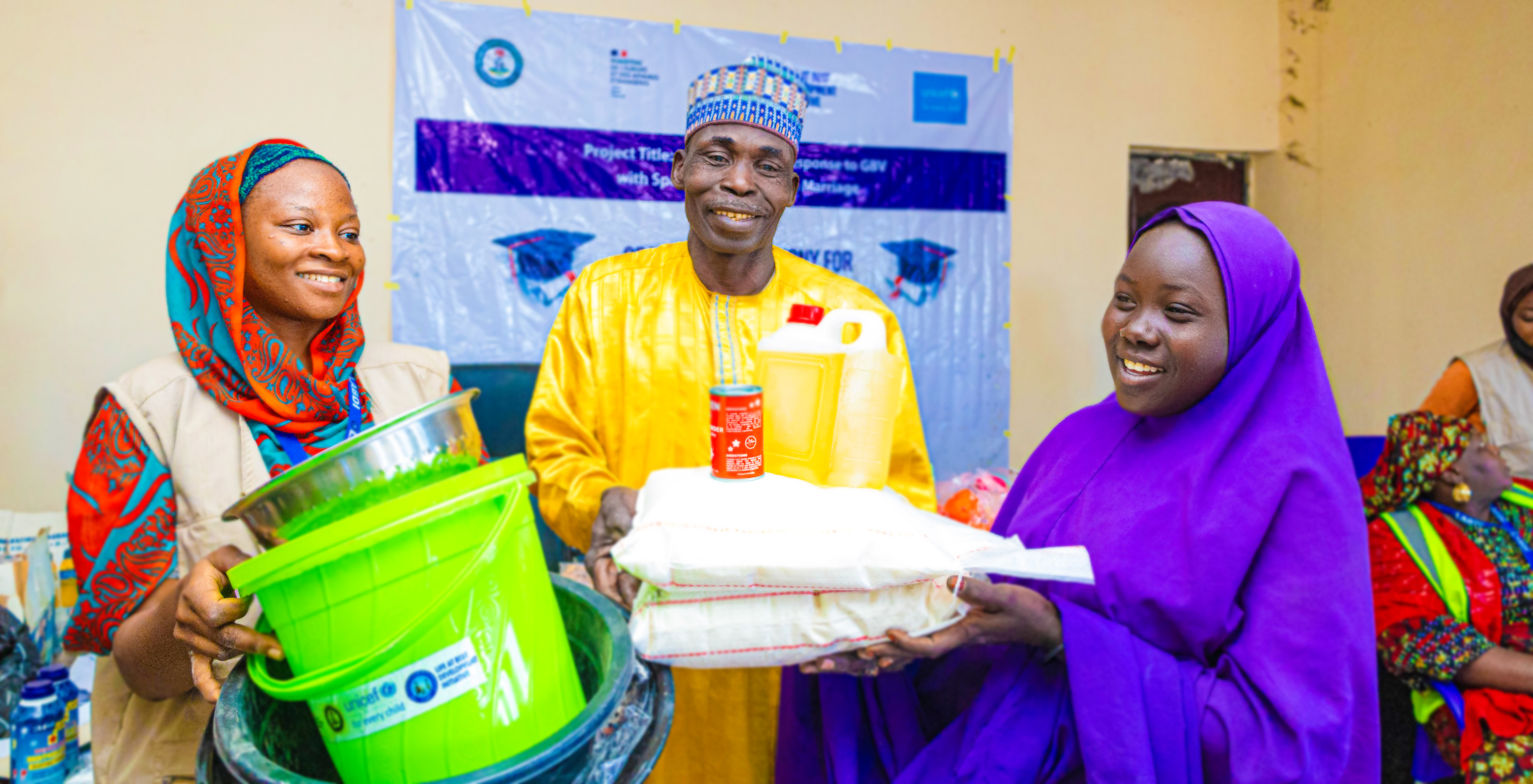
LABDI, in partnership with UNICEF, made indelible positive marks in the lives of adolescents and youth in Bama, Monguno and Mafa LGAs of Borno State.
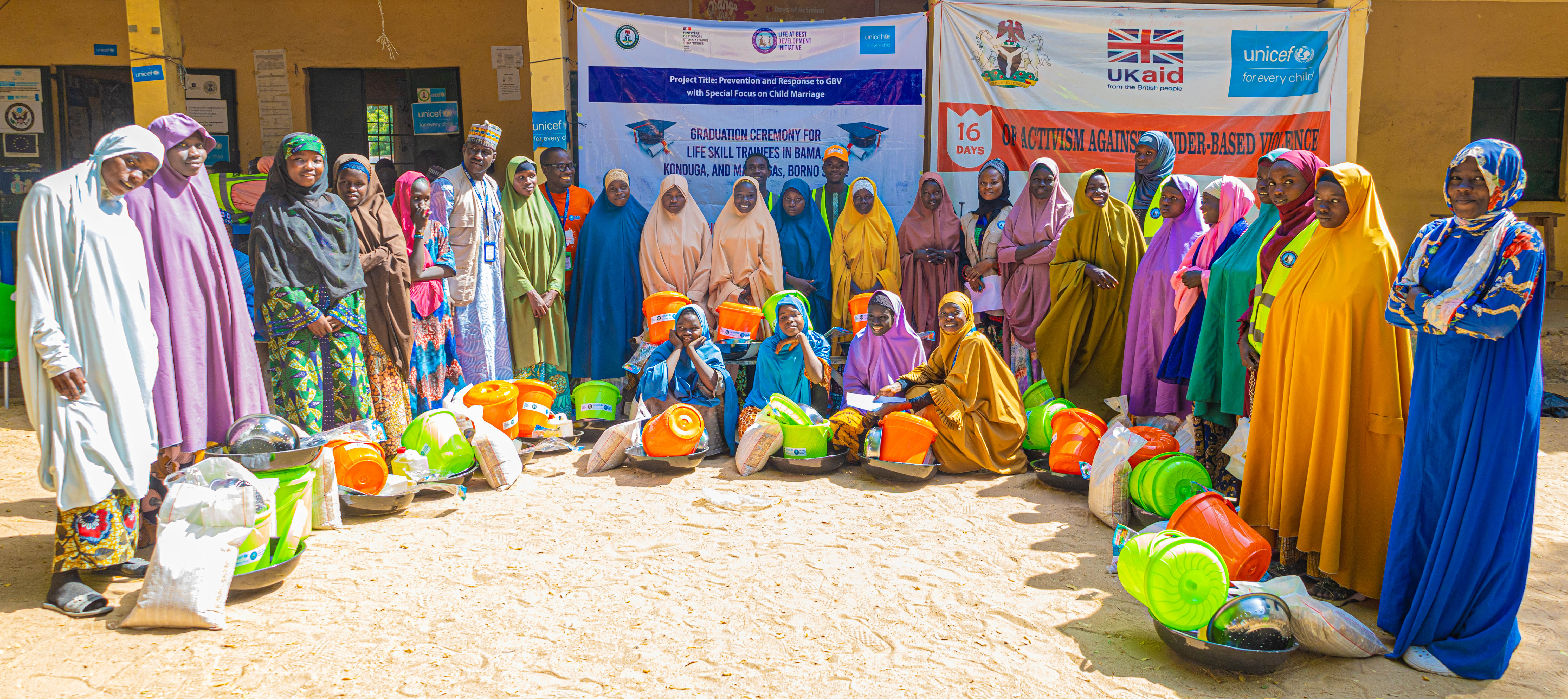
The project achieved remarkable progress across Bama, Konduga, and Mafa LGAs, surpassing its target by reaching 4,020 individuals (201% of the goal). This includes 1183 girls, 870 boys, 1135 women, and 832 men through awareness on child marriage and harmful practices. Additionally, 185 adolescents (93% of the target) gained access to essential health, education, economic, and legal services, while 141 girls (94% of the target) expressed confidence in pursuing alternatives to child marriage after participating in empowerment programs. One notable success story emerged from Bama, where adolescent girls’ clubs were established, creating safe spaces for peer discussions and leadership development. The clubs empowered girls to challenge child marriage and advocate for education.
A standout case involved 15-year-old Aisha, who, after joining the club, convinced her family to delay her marriage, choosing to continue her education instead. This transformation, supported by UNICEF’s funding, illustrates the intervention’s powerful ripple effect on both individuals and the broader community. Challenges, including weak referral pathways in Bor Tela, Bama (due to limited presence of implementing partners), hindered timely GBV response, while limited education partners in Bama strained the capacity to meet demand. LABDI tackled these hurdles by strengthening community-based child protection committees, training local influencers, and coordinating with religious leaders to improve referrals and expand educational support.
Further progress saw 200 adolescents participating in life skills training, enhancing their critical thinking and problem-solving abilities. This included 52 girls and 18 boys from Bama, 39 girls and 11 boys from Konduga, and 54 girls and 26 boys from Mafa. These skills empowered them to make informed decisions, reducing vulnerability to child marriage and boosting their confidence to pursue alternative futures.
Despite persistent challenges, LABDI’s adaptive approach, backed by UNICEF’s support, strengthened grassroots structures and increased community ownership. The program’s momentum, driven by success stories like Aisha’s, signals a transformative shift in attitudes toward child marriage, creating lasting change across targeted communities.