
 LabdiAdmin
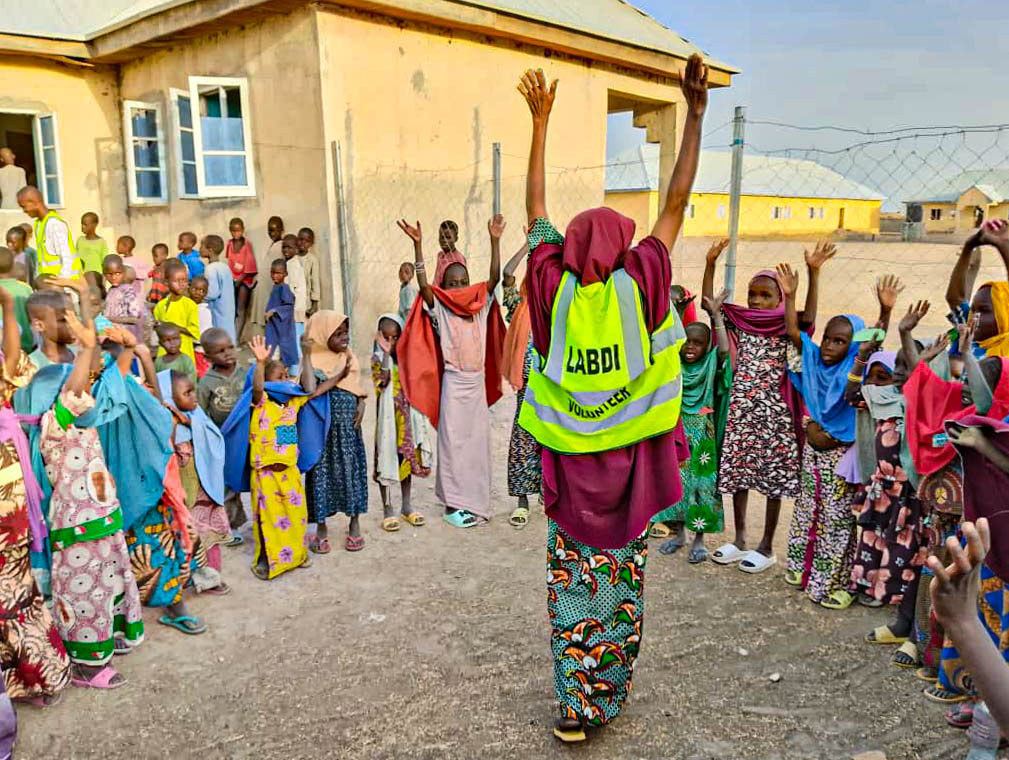
In Rann, Life at Best Development Initiative (LABDI) executed a robust project addressing gender-based violence (GBV) and child protection through comprehensive community outreach and direct support. LABDI engaged 8,741 community members with critical messaging on GBV, Prevention of Sexual Exploitation and Abuse (PSEA), and confidential reporting mechanisms, fostering greater awareness and community vigilance. For survivors, LABDI provided case management to 120 GBV survivors, delivering psychosocial support, medical referrals, dignity kits, and follow-up care to aid recovery and empowerment. To enhance safety in high-risk GBV zones, LABDI installed 20 solar-powered streetlights, improving nighttime visibility and reducing violence risks. Additionally, to bolster economic resilience, LABDI trained 100 women and girls in livelihood skills and provided each with start-up kits, enabling them to launch small businesses and achieve financial independence.
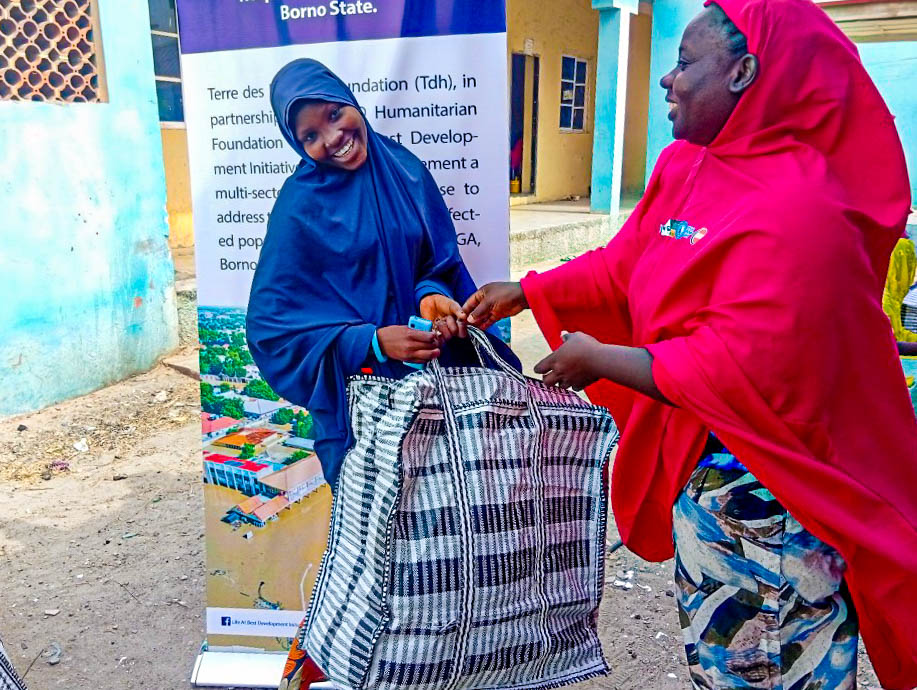
Concurrently, LABDI delivered multi-sectoral case management support to vulnerable children, tackling issues like abuse, neglect, exploitation, child labour, and child marriage, in line with Inter-Agency Case Management Guidelines. Through standardized procedures, LABDI assessed 167 children (75 boys, 92 girls), surpassing the target by 111%, and developed individualized support plans. Collaborations with Terre des Hommes (health), BOAID, and other providers ensured holistic interventions, with 81% of children reporting enhanced well-being and resilience due to strengthened community networks and protective systems. Although prior ICRC efforts eliminated the need for family reunifications, LABDI prioritized community-based care per CPMS Standard 13, keeping siblings together and vetting, training, and supporting caregivers, with oversight from community leaders. LABDI also reinforced caseworker training and established secure referral pathways for GBV, health, and legal services, ensuring safe, accessible support for all beneficiaries.
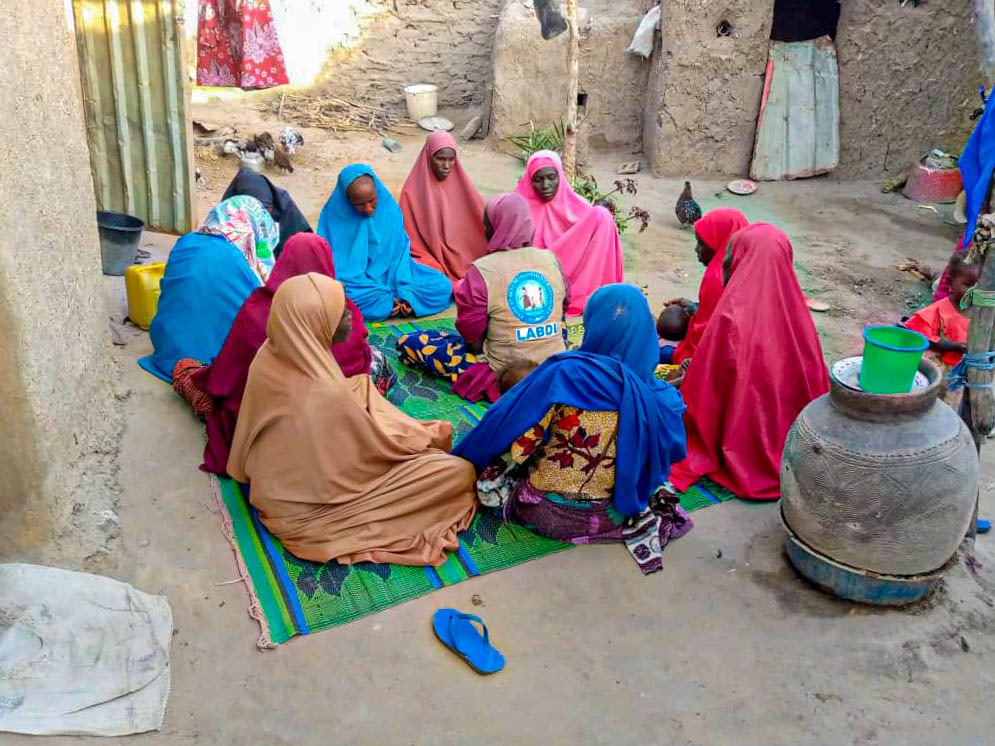
Among the numerous successes of the project is a remarkable story of Aisha [Pseudonym], a 14-year-old girl who was an active participant in the project cycle. At just 14 years old, Fanne faced unimaginable trauma. A survivor of gender-based violence in her rural village, she was withdrawn, fearful, and silent when she first arrived at the child protection centre. She had stopped attending school, avoided eye contact, and flinched at the sound of raised voices. Due to the hardship in Rann because of the insurgency, Fanne travelled to Cameroon along with her late mother to do menial jobs and scavenge for beans and other food grown crops at the farm, she was then raped in the farm. Unknowingly to her, she returned to Rann to stay with her grandmother. She fell sick and was taken to the hospital, which was when she was told she was pregnant. She kept the pregnancy, but during delivery, she lost the baby due to complications
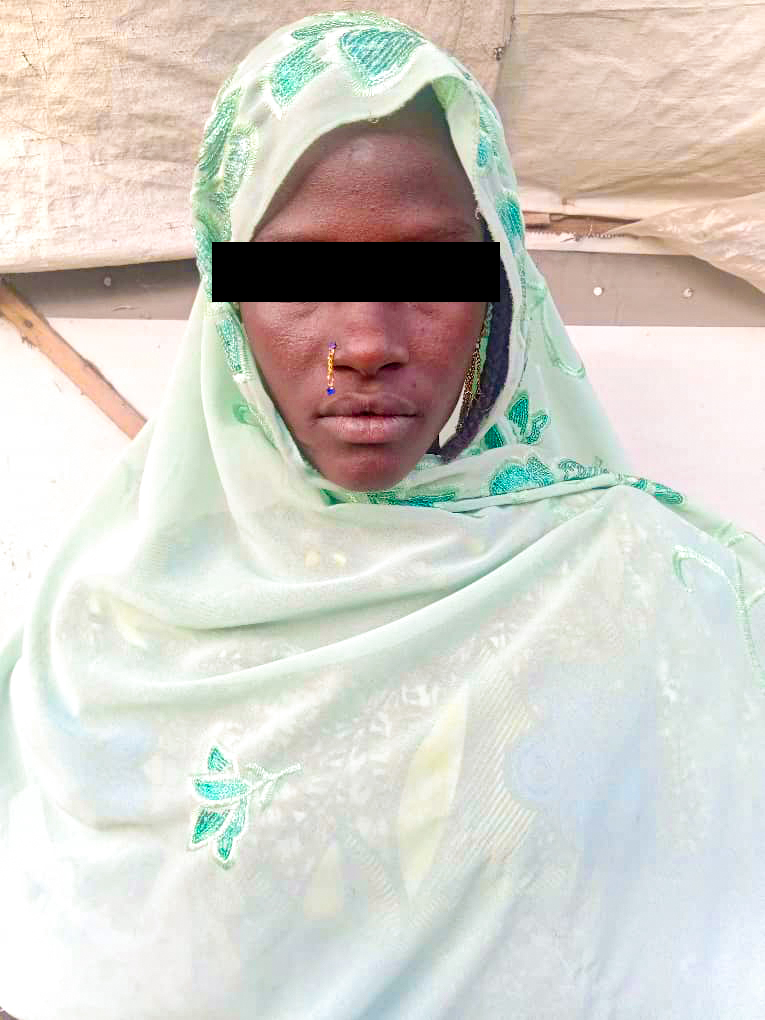
(Aisha [Pseudonym] Pictured above)
With the support of a trained case worker and a safe environment, Aisha [Pseudonym] slowly began to trust again. Through trauma-informed therapy, art, and play sessions at LABDI Child Friendly Space, she found a voice for her pain. LABDI provided scholastic materials and enrolled back to her back in school, where she began to thrive socially and academically. For the first time in months and years, she smiled. She also joined LABDI’s life skills session for the adolescent empowerment club, where she learned about her rights, self-esteem, and leadership. She began mentoring younger girls and speaking during community awareness events, advocating for children’s rights and the importance of protecting girls from GBV.
Now 14, Aisha [Pseudonym] dreams of becoming a politician, determined to represent and protect girls in vulnerable communities. Her story has inspired others in her community to break the silence around GBV and take a stand to protect children.