Honouring a Localization Champion

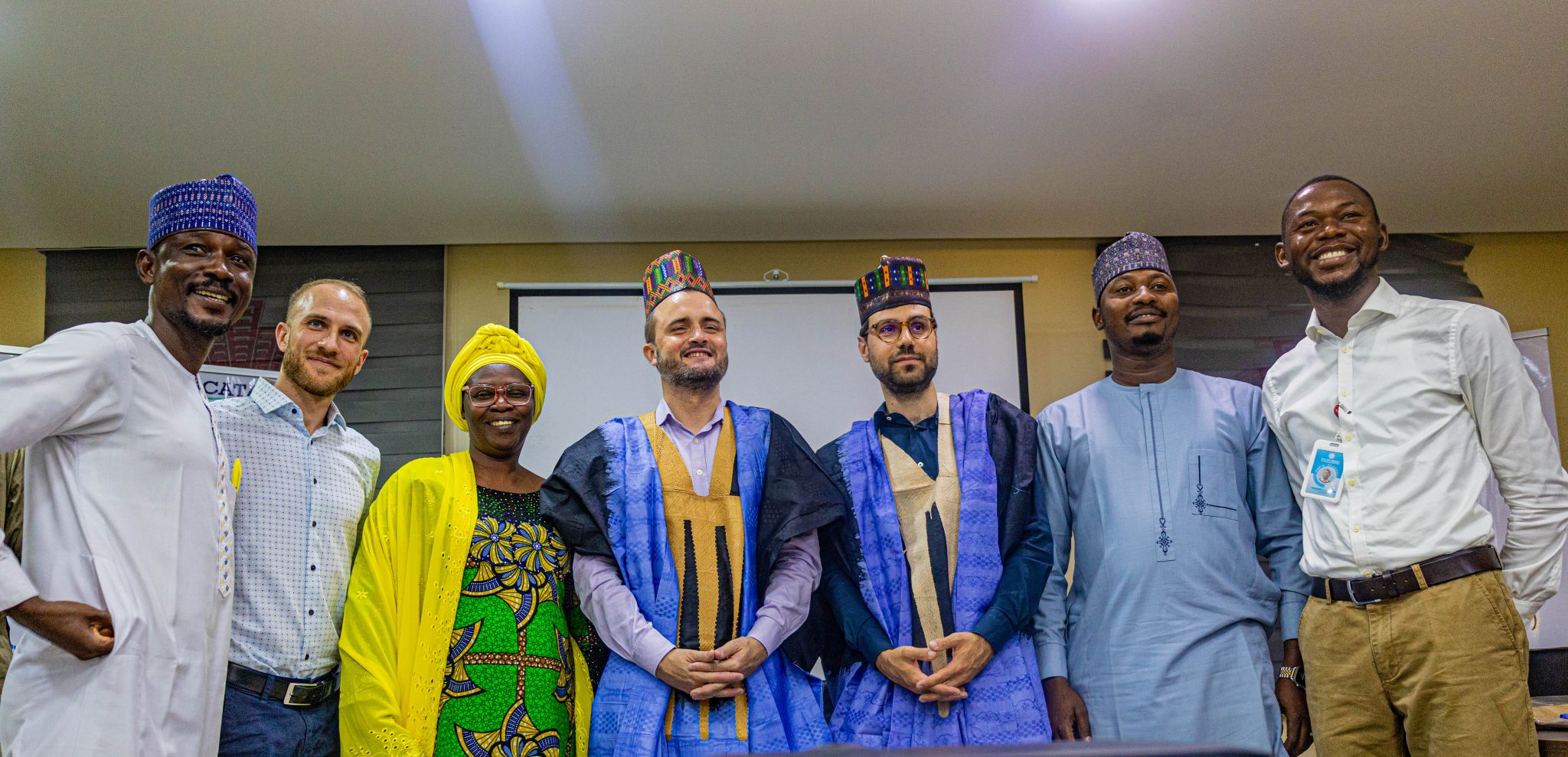
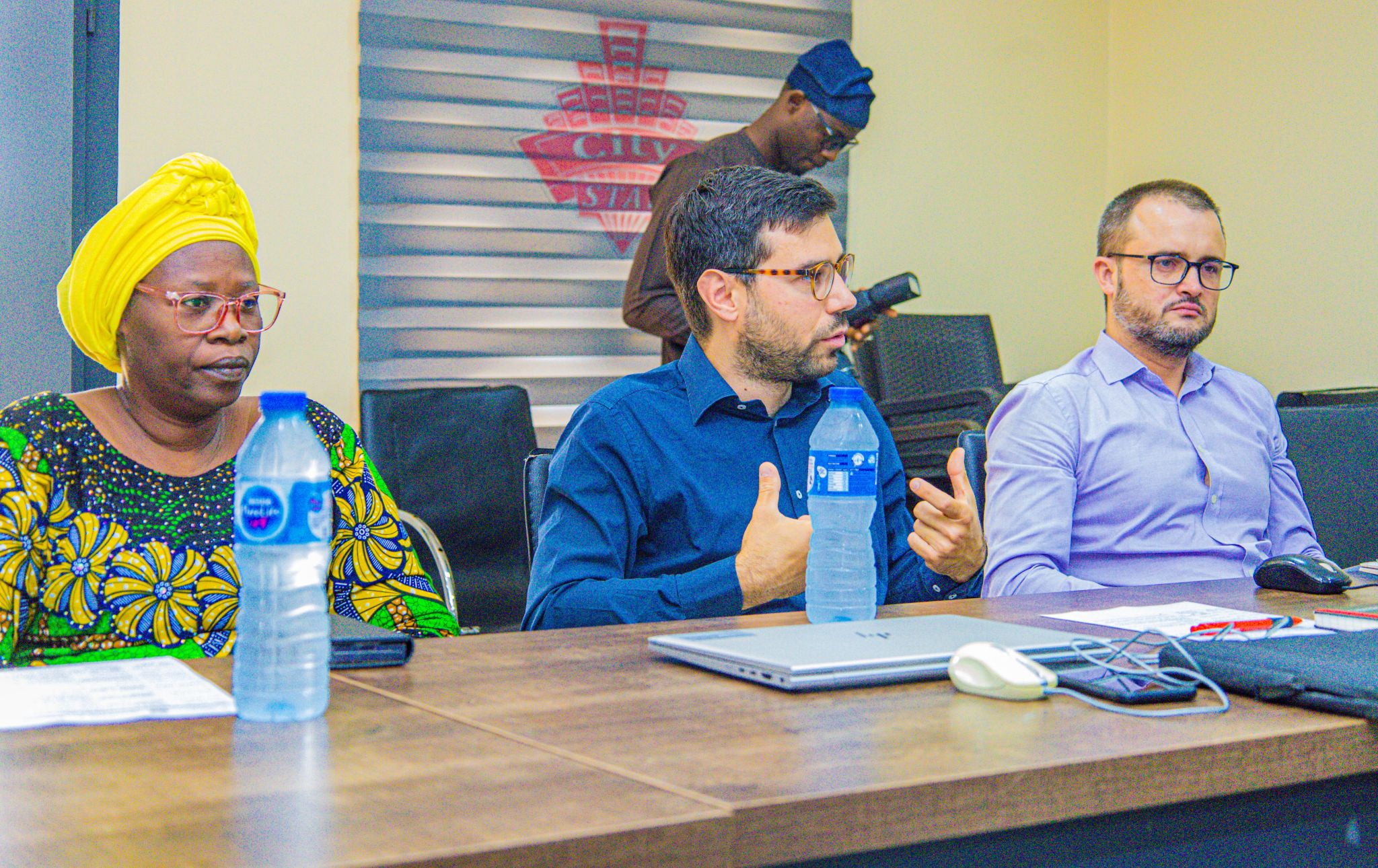
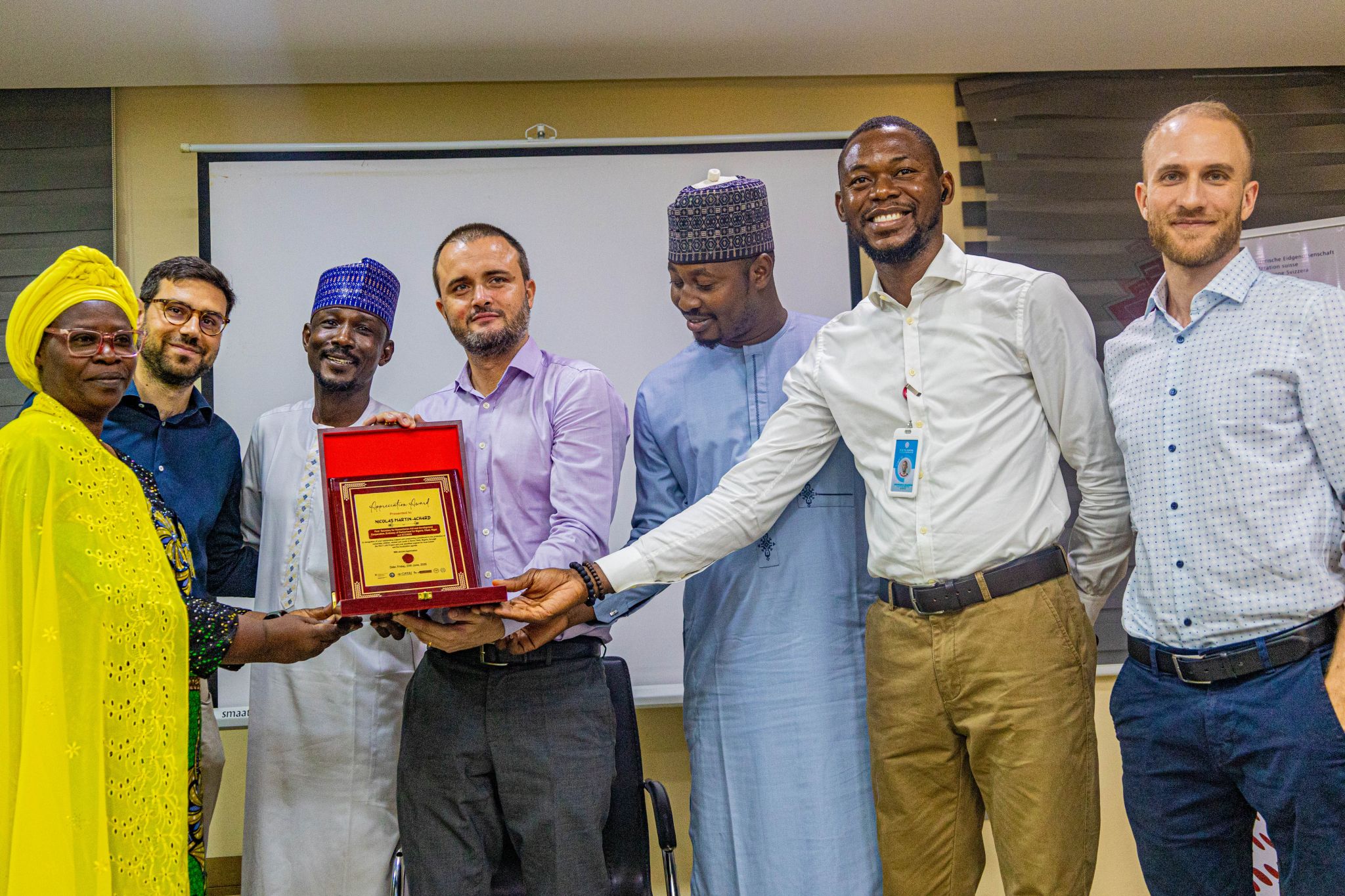
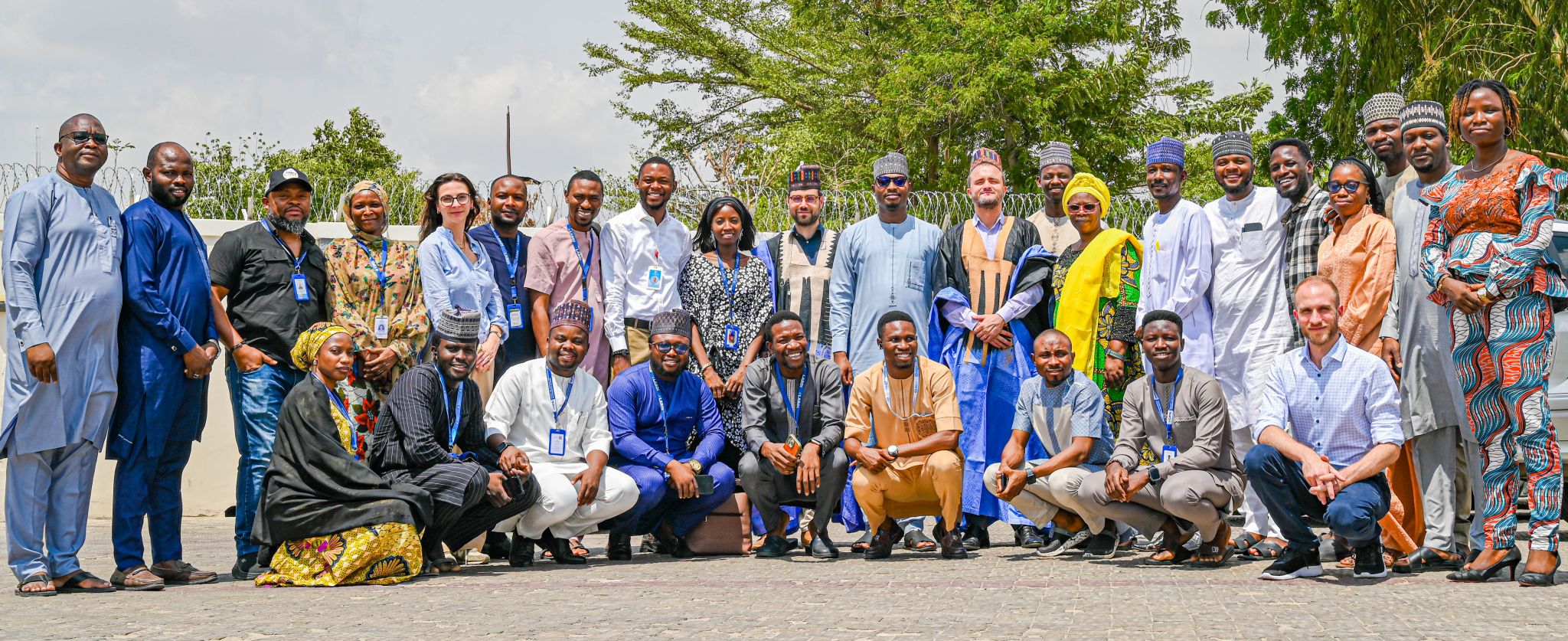
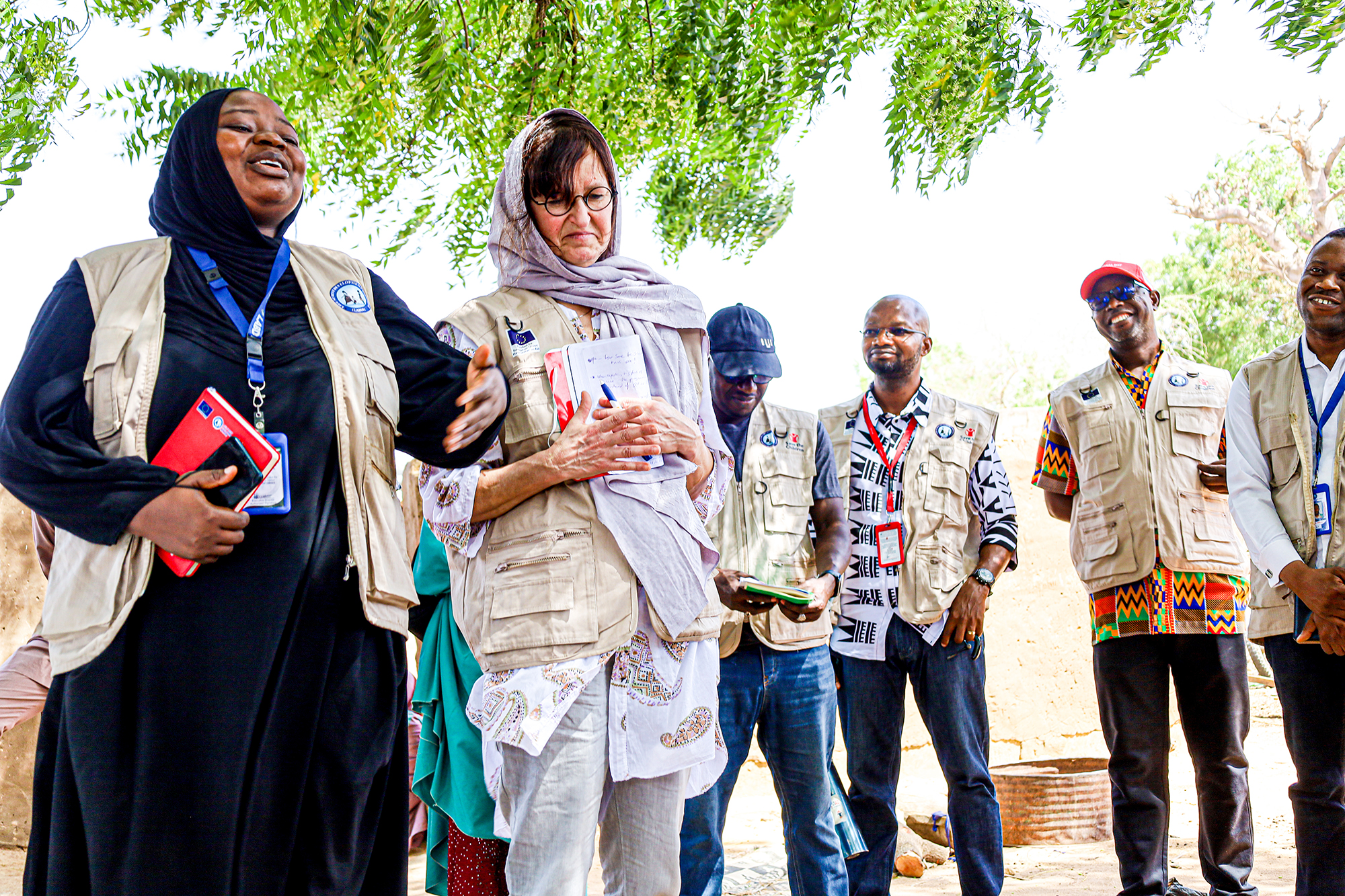
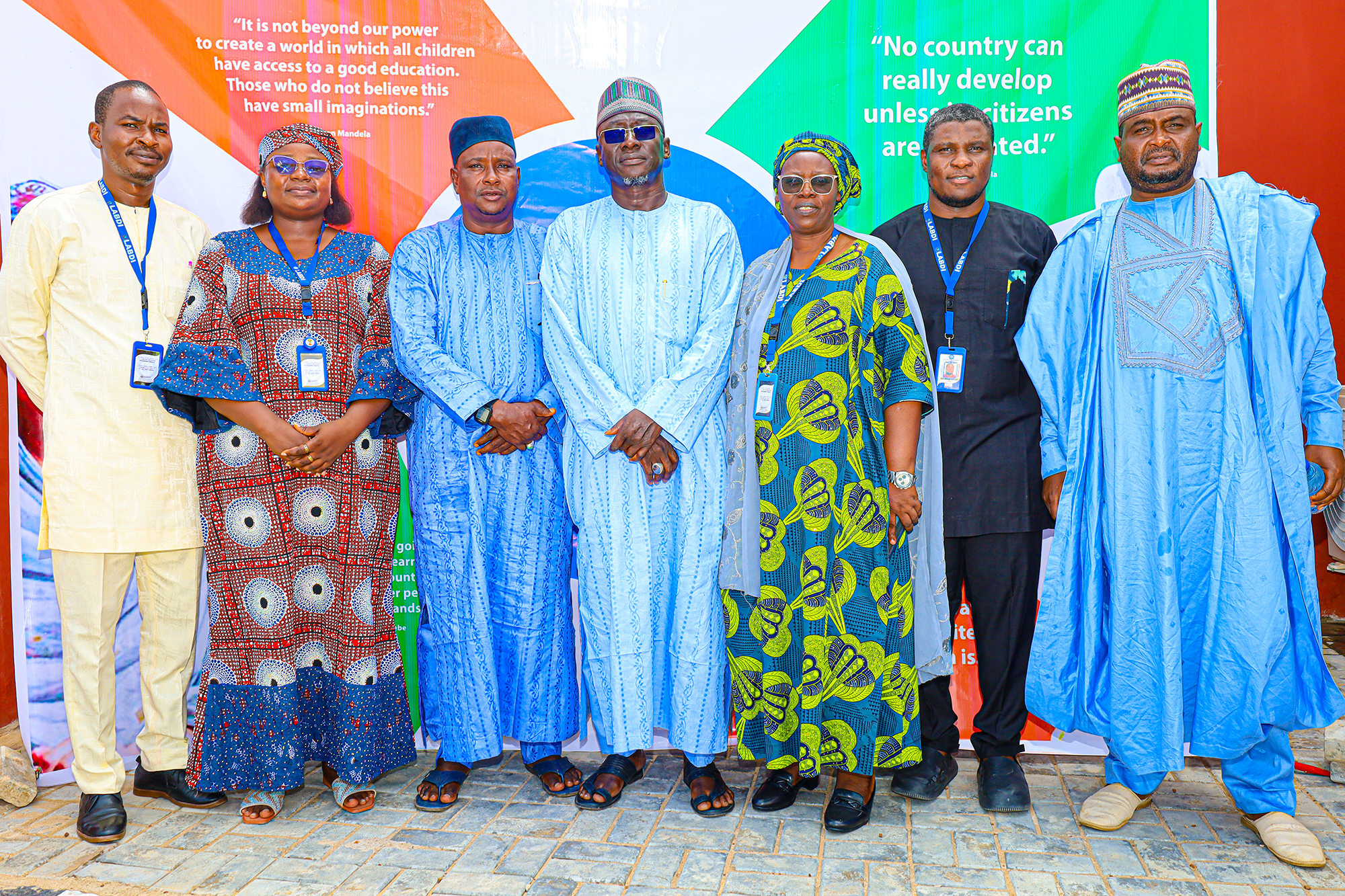
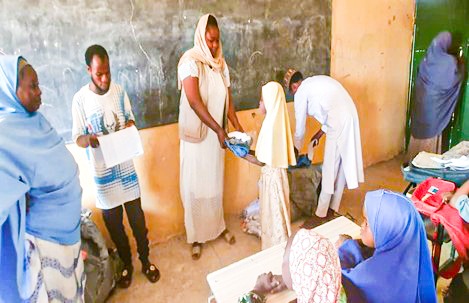
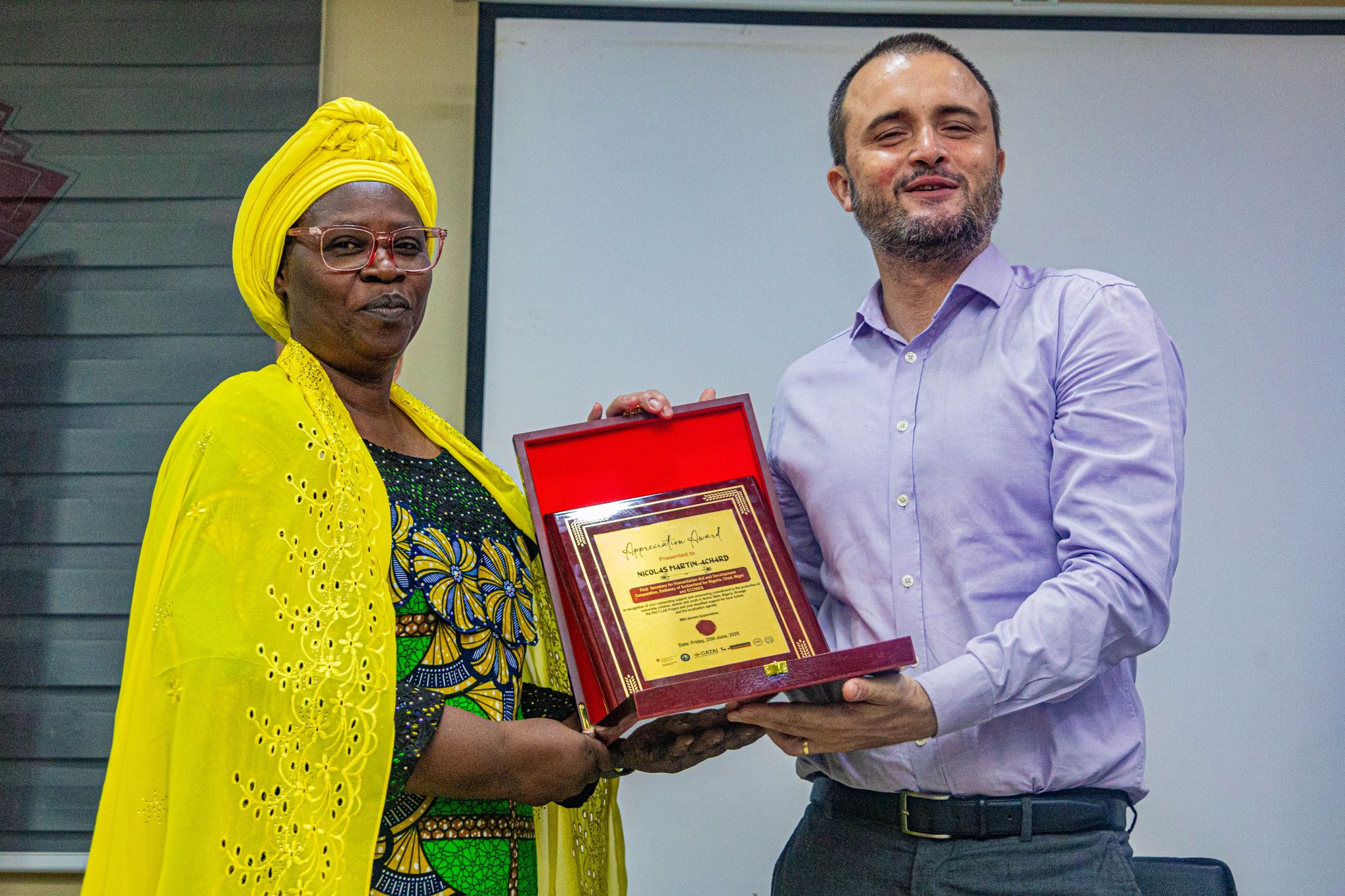
On Friday, 20th June 2025, Life At Best Development Initiative (LABDI) welcomed representatives from the Swiss Agency for Development and Cooperation to Maiduguri, Borno State. The visit was part of ongoing efforts to assess the progress of our PACT-LAB project (Protecting Children, Women, and Youth Affected by Conflict through Local Actors in Borno State), a humanitarian initiative funded by the Swiss Agency for Development and Cooperation and led by LABDI.

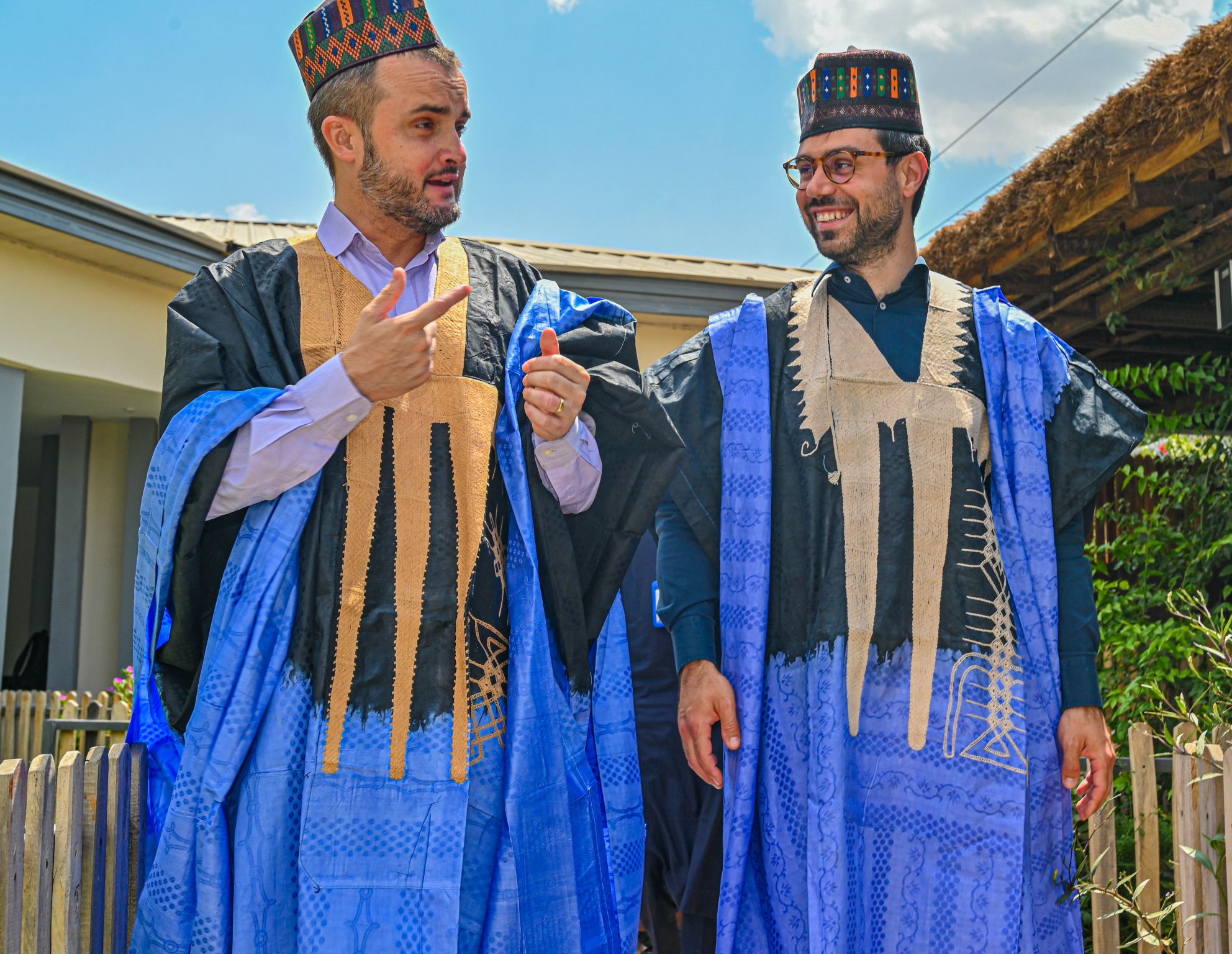
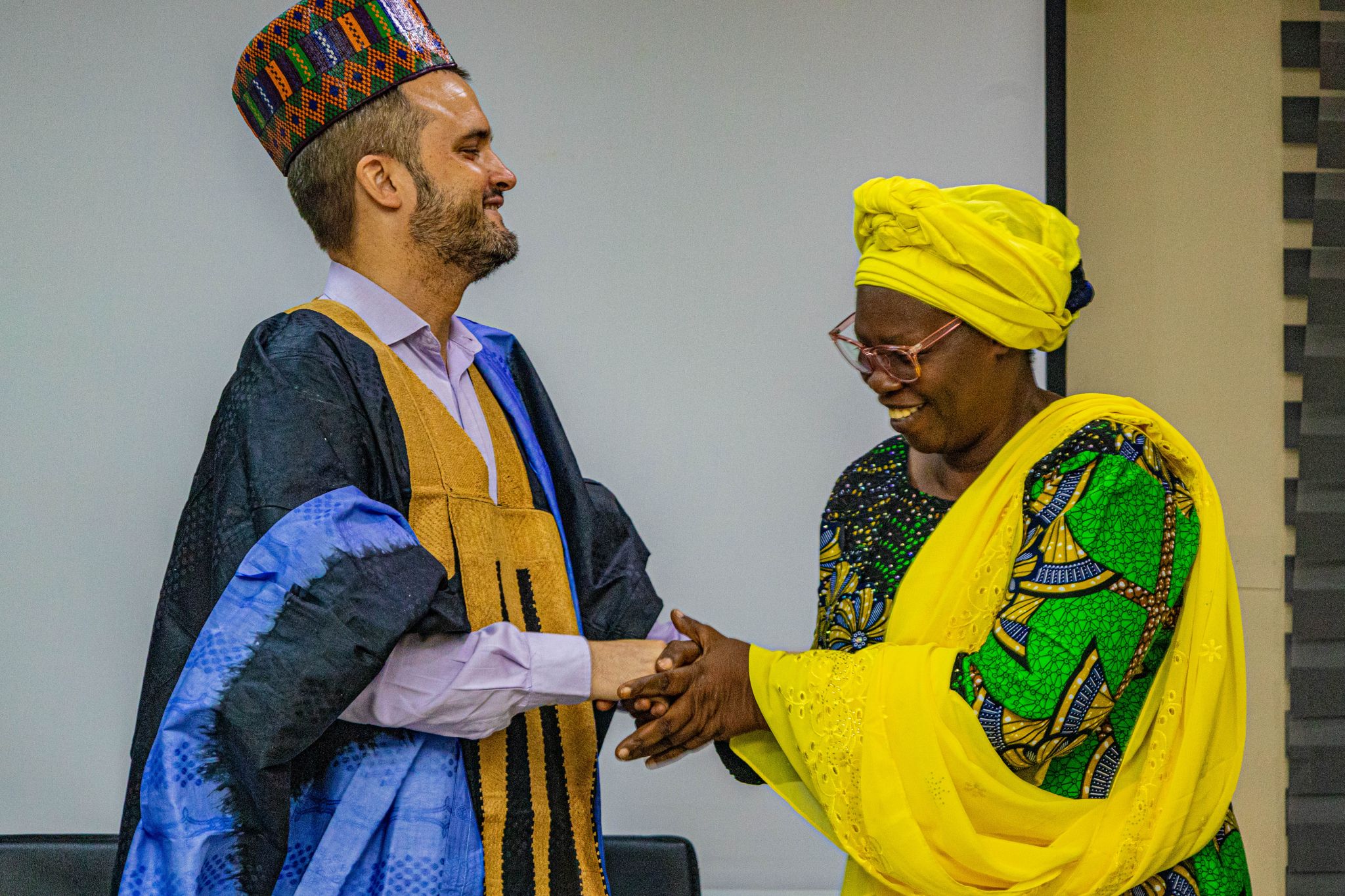
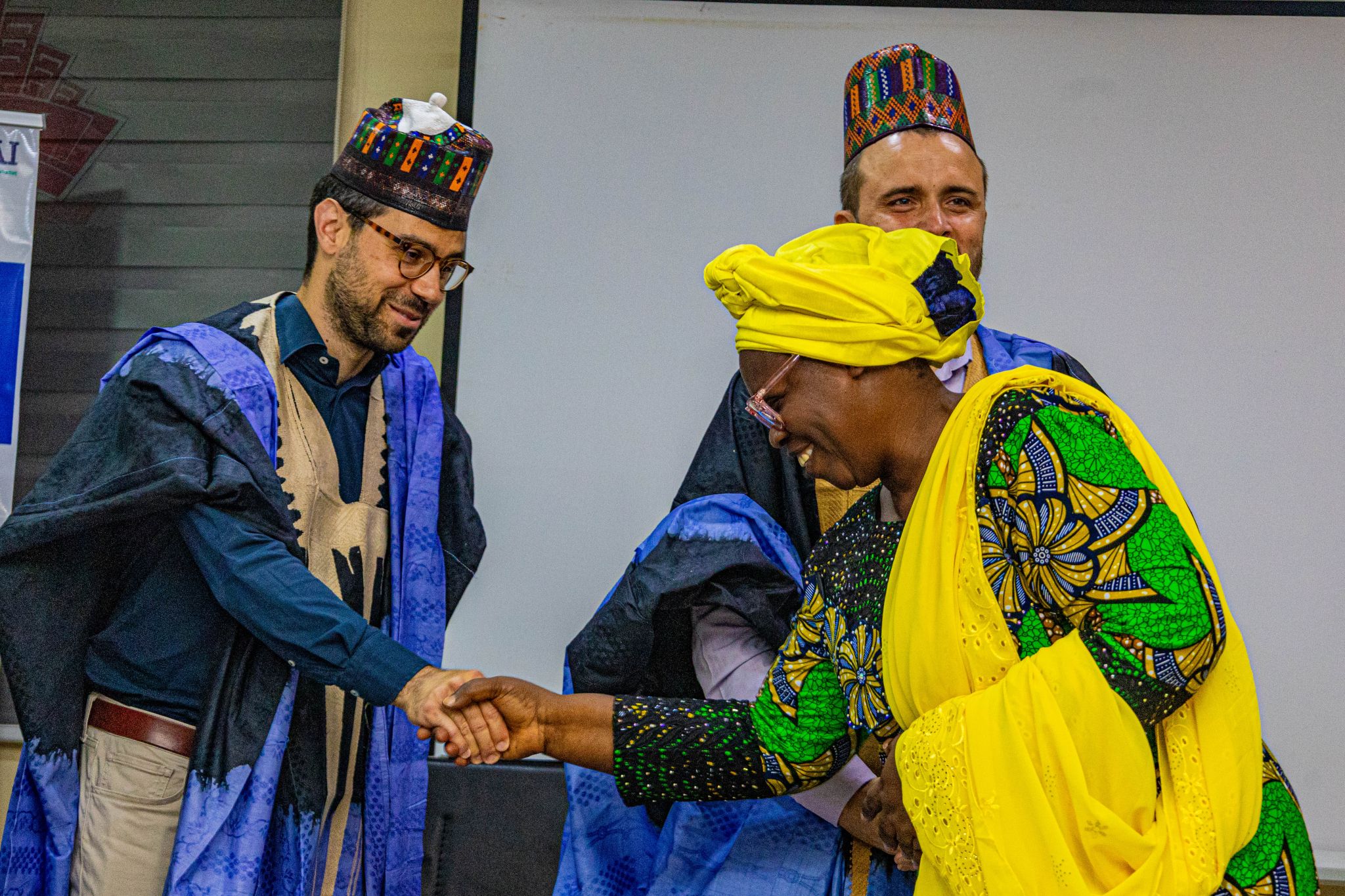
During the visit, the PACT-LAB consortium partners, which include Life At Best Development Initiative (LABDI), Center for Advocacy, Transparency and Accountability Initiative (CATAI), Youth Integrated for Positive Development Initiative (YIPDI), Rise to Inspire Africa (RIA), and Terre des hommes came together to bid farewell to one of the Swiss representatives, Nicolas Martin—a passionate humanitarian and a true advocate for localization. Nicolas’s unwavering dedication has left an indelible impact on the project and on the lives of the vulnerable populations it serves. It was a proud yet bittersweet moment as we celebrated his significant contributions and wished him success in his new place of assignment.

The LABDI-led consortium used the occasion to reaffirm its unwavering commitment to the vision and goals of the PACT-LAB project.

United in purpose, we remain steadfast in our resolve to protect and empower children, women, and youth affected by conflict across Borno State without leaving anyone behind.

LABDI’s Key Achievements on the Ongoing ECHO-HIP Project in Partnership with Save the Children and Funding from ECHO

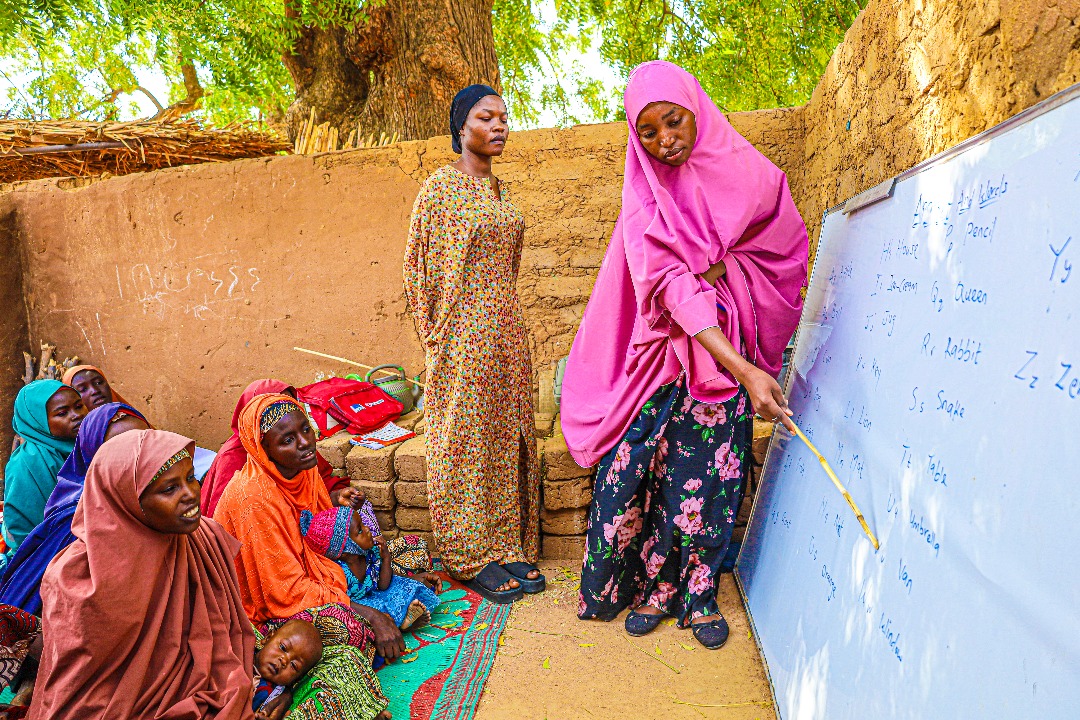
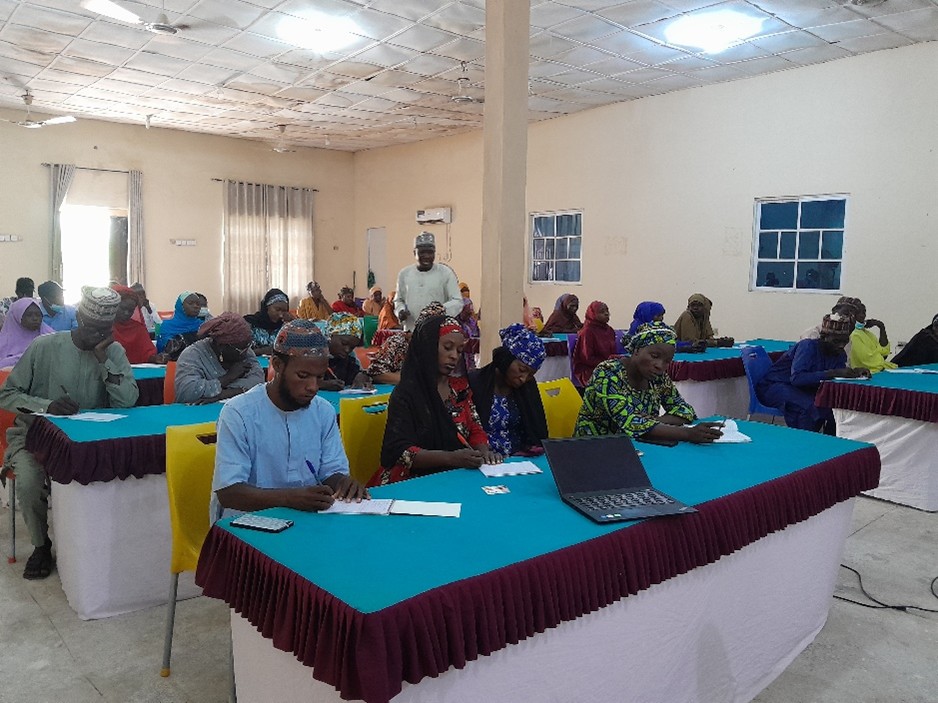
Through the ECHO-HIP project, LABDI trained 70 (41 Female, 29 Male) community volunteer teachers on pedagogy, classroom management, Education in Emergencies (EiE), and literacy and numeracy boost. This training has strengthened teachers’ capacity in delivering quality basic education using available resources while fostering sustainability and familiarity among project participants (children).


STATE-LEVEL ADVOCACY

LABDI conducted high-level state advocacy on children’s rights to education, including the rights of children with disabilities in Yobe state. This initiative engaged key stakeholders including State Universal Basic Education Board (SUBEB), State Agency for Mass Education(SAME), Ministry of Women Affairs    (MWA), Ministry of Youth, Sports and Social Development (MYSSD), Ministry of Education (MoE), Local Government Education Secretary(LGEA), CSOs, the Children’s Parliament, community and religious leaders, and children themselves. The Advocacy focused on strengthening policies that promote inclusive and safe education, particularly in emergency settings. Efforts were made to address issues such as insecurity, destruction of school infrastructure, low enrollment, and increased school dropouts, ensuring that education remains accessible during crises.

BACK-TO-SCHOOL AWARENESS CAMPAIGN

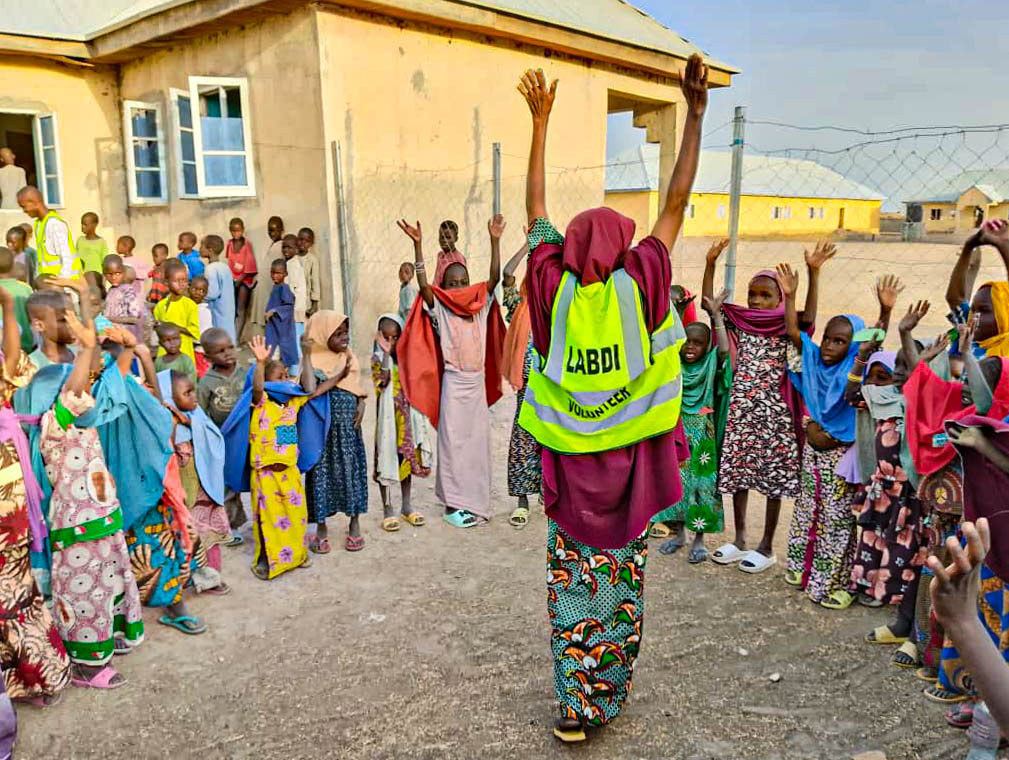
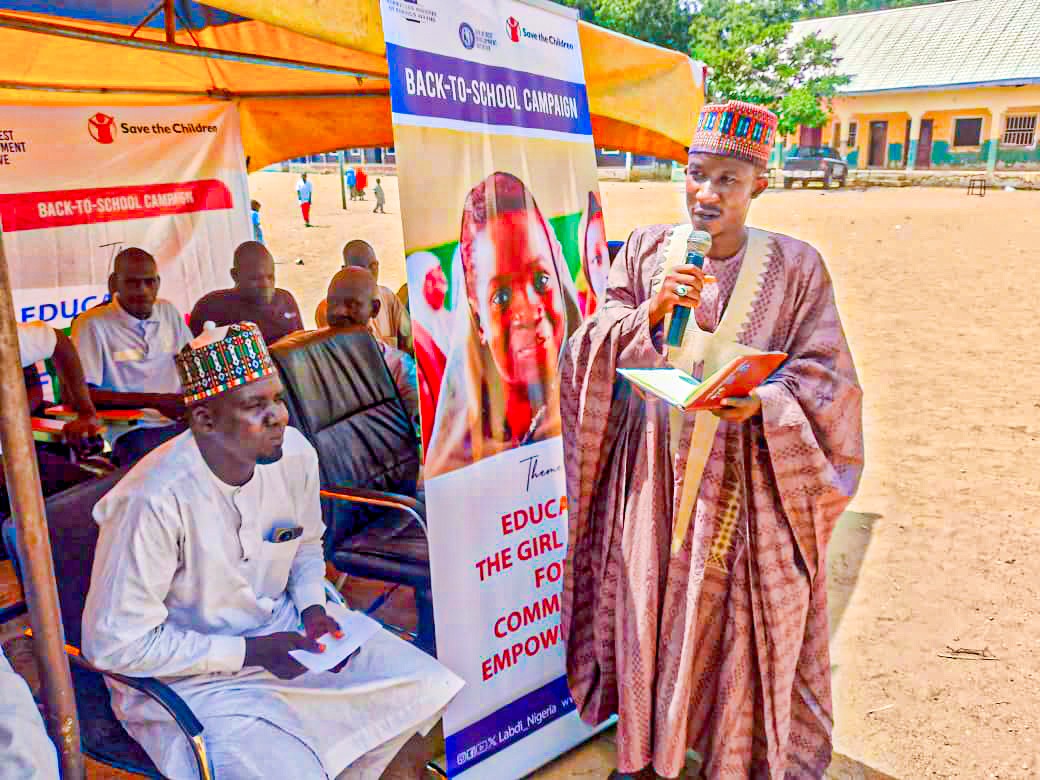
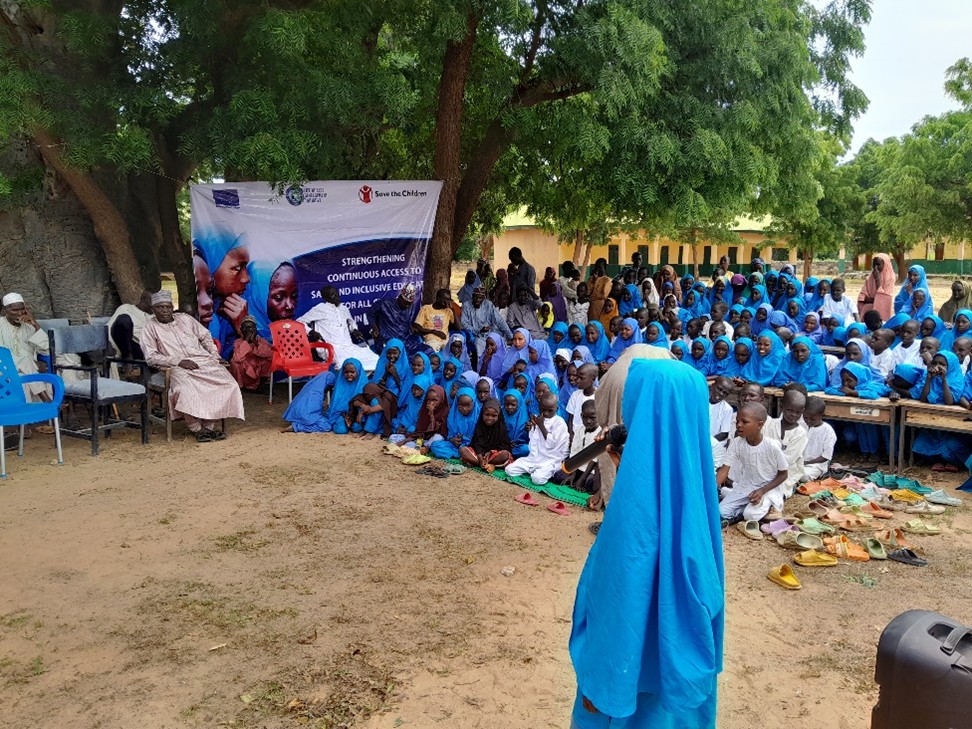
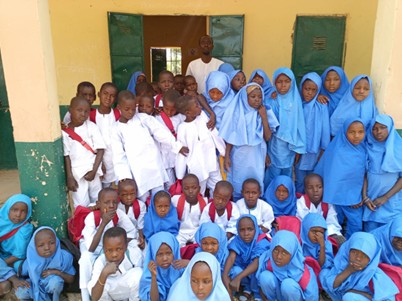
To address the specific needs of out-of-school children, children at risk of dropping out, and children with disabilities, LABDI launched a Back-to-School awareness campaign. This initiative was implemented in Ngomari, Shuwari, Gujba town, Katarko, and Garin Itace in Gujba LGA, Yobe State. Community members including men, women, boys, and girls actively participated by committing to community-led actions aimed at promoting education. Their collective efforts focus on ensuring all children have access to a safe and supportive learning environment.

LABDI successfully enrolled out-of-school learners, including children with disabilities, into various education programs to boost their literacy and numeracy skills:

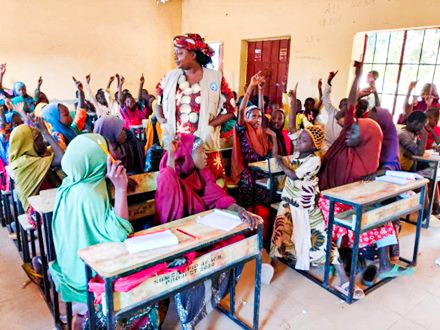
  1. Accelerated Basic Education Program (ABEP): 194 boys and 419 girls
  2. Literacy and Numeracy Boost (LBNB): 194 boys and 209 girls
  3. Catch-Up Club (CUC) for teenage/adolescent mothers: 184 participants

These programs utilized Save the Children’s Literacy and Numeracy Boost toolkit, the ABEP curriculum, and Catch-Up Club manuals to enhance learning outcomes.

CHILD-LED ADVOCACY TRAINING

LABDI trained 413 boys and 618 girls, both in-school and out-of-school on leading advocacy campaigns for children’s rights to education, including the rights of children with disabilities. These trainings equipped children with essential advocacy skills, empowering them to champion their rights and those of their peers. In collaboration with LABDI’s Child Rights Clubs across schools in Gujba LGA. These advocacy sessions are conducted monthly to inspire more children to access and remain engaged in education.

MAINSTREAMING OF LITERACY AND NUMERACY BOOST PARTICIPANTS

LABDI mainstreamed 403 (209 girls, 194 boys) literacy and numeracy boost learners across five schools of implementation which are Ngomari Central Primary school (Buni yadi), Shuwari Primary School (Buni yadi), Gujba Primary School (Gujba town), Katarko Primary School (Katarko), and Garin itace Primary School (Garin itace).

The mainstreaming was supported with materials from Save the Children, which include school uniforms, socks, and sandals, which reduced barriers to school attendance and encouraged participation.

Multisectoral Approach Intervention in Rann, Borno State

In Rann, Life at Best Development Initiative (LABDI) executed a robust project addressing gender-based violence (GBV) and child protection through comprehensive community outreach and direct support. LABDI engaged 8,741 community members with critical messaging on GBV, Prevention of Sexual Exploitation and Abuse (PSEA), and confidential reporting mechanisms, fostering greater awareness and community vigilance. For survivors, LABDI provided case management to 120 GBV survivors, delivering psychosocial support, medical referrals, dignity kits, and follow-up care to aid recovery and empowerment. To enhance safety in high-risk GBV zones, LABDI installed 20 solar-powered streetlights, improving nighttime visibility and reducing violence risks. Additionally, to bolster economic resilience, LABDI trained 100 women and girls in livelihood skills and provided each with start-up kits, enabling them to launch small businesses and achieve financial independence.
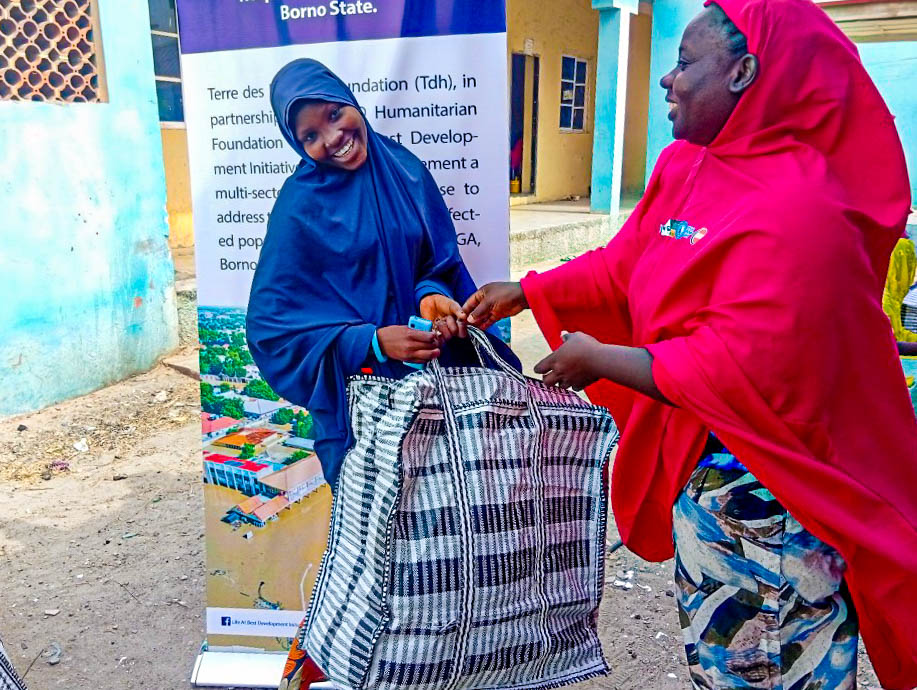


Concurrently, LABDI delivered multi-sectoral case management support to vulnerable children, tackling issues like abuse, neglect, exploitation, child labour, and child marriage, in line with Inter-Agency Case Management Guidelines. Through standardized procedures, LABDI assessed 167 children (75 boys, 92 girls), surpassing the target by 111%, and developed individualized support plans. Collaborations with Terre des Hommes (health), BOAID, and other providers ensured holistic interventions, with 81% of children reporting enhanced well-being and resilience due to strengthened community networks and protective systems. Although prior ICRC efforts eliminated the need for family reunifications, LABDI prioritized community-based care per CPMS Standard 13, keeping siblings together and vetting, training, and supporting caregivers, with oversight from community leaders. LABDI also reinforced caseworker training and established secure referral pathways for GBV, health, and legal services, ensuring safe, accessible support for all beneficiaries.
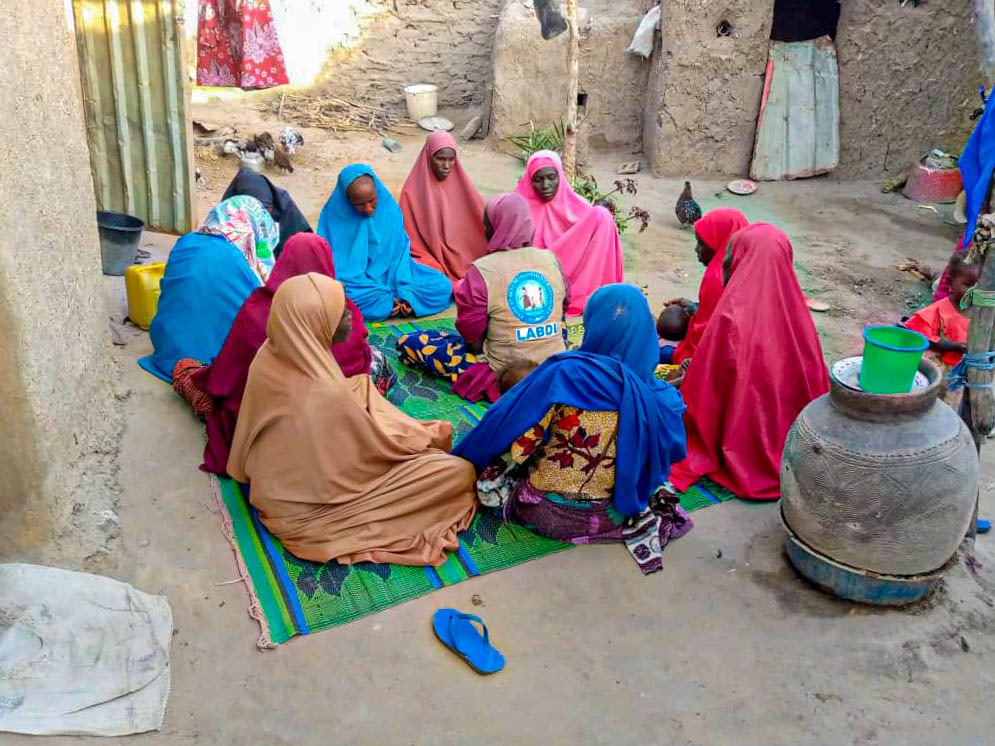
 

Among the numerous successes of the project is a remarkable story of Aisha [Pseudonym], a 14-year-old girl who was an active participant in the project cycle. At just 14 years old, Fanne faced unimaginable trauma. A survivor of gender-based violence in her rural village, she was withdrawn, fearful, and silent when she first arrived at the child protection centre. She had stopped attending school, avoided eye contact, and flinched at the sound of raised voices. Due to the hardship in Rann because of the insurgency, Fanne travelled to Cameroon along with her late mother to do menial jobs and scavenge for beans and other food grown crops at the farm, she was then raped in the farm. Unknowingly to her, she returned to Rann to stay with her grandmother. She fell sick and was taken to the hospital, which was when she was told she was pregnant. She kept the pregnancy, but during delivery, she lost the baby due to complications
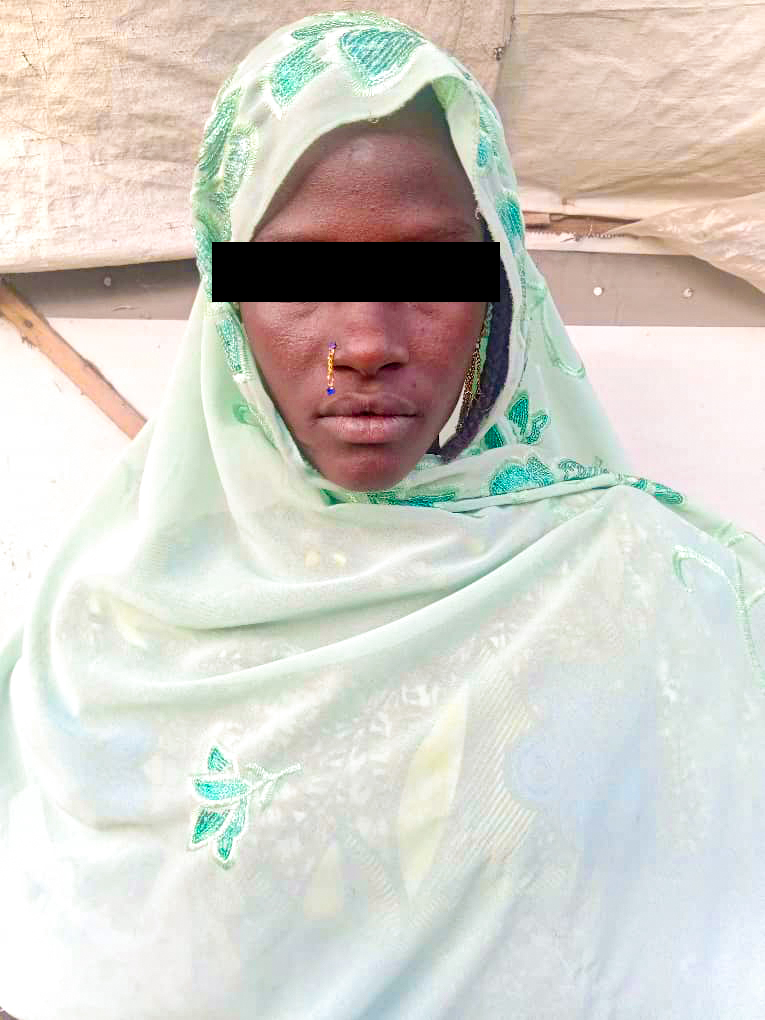
Fanne

(Aisha [Pseudonym] Pictured above)

With the support of a trained case worker and a safe environment, Aisha [Pseudonym] slowly began to trust again. Through trauma-informed therapy, art, and play sessions at LABDI Child Friendly Space, she found a voice for her pain. LABDI provided scholastic materials and enrolled back to her back in school, where she began to thrive socially and academically. For the first time in months and years, she smiled. She also joined LABDI’s life skills session for the adolescent empowerment club, where she learned about her rights, self-esteem, and leadership. She began mentoring younger girls and speaking during community awareness events, advocating for children’s rights and the importance of protecting girls from GBV.

Now 14, Aisha [Pseudonym] dreams of becoming a politician, determined to represent and protect girls in vulnerable communities. Her story has inspired others in her community to break the silence around GBV and take a stand to protect children.

Groundbreaking Impact During the Last Flash Flood in Maiduguri

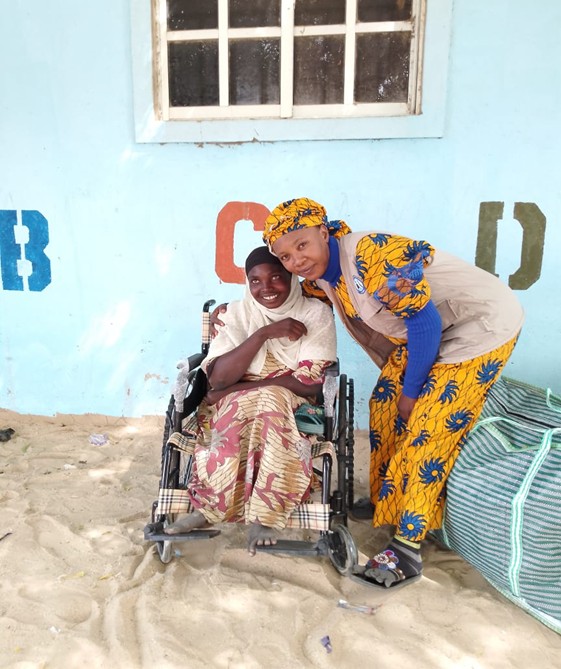
On December 3, 2024, 16-year-old Hauwa Alhaji Maina, a child with a disability who had become separated from her family, was discovered crawling within the Gubio IDP Camp. This concerning situation was on the camp’s coordination platform, advocating for assistance from relevant stakeholders.

In response, the emergency response team from the Life at Best Development Initiative (LABDI) engaged in addressing issues of sexual and gender-based violence (SGBV) and mental health and psychosocial support (MHPSS) through a Child-Friendly Space (CFS) registered Hauwa for case management and ensured she received the necessary support and services she needed.


Before this intervention, Hauwa faced significant challenges in mobility, as she had to move on her knees, which severely restricted her access to distribution sites for essential supplies within the camp. The situation was made worse during periods of extreme heat, which further limited her ability to navigate and often resulted in her missing out on crucial distributions of essential kits.


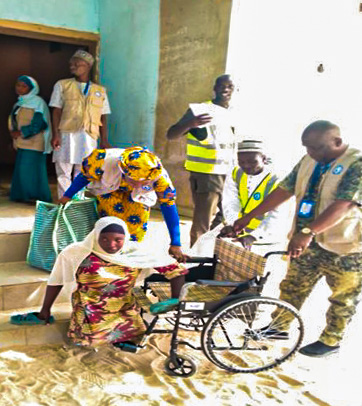
Following the provision of an assistive device (wheelchair), a dignity kit, and livelihood support to initiate a small-scale business, Hauwa’s demeanor has noticeably improved. The wheelchair has granted her enhanced mobility, enabling her to independently access various areas within the camp and participate in the distribution of essential items.


This newfound autonomy has significantly elevated her self-esteem and overall well-being. Additionally, the livelihood support has empowered her to generate personal income, allowing her to meet her immediate needs without relying on others for basic necessities.


Studies have shown that providing mobility aids, such as wheelchairs, not only enhances physical mobility but also positively impacts the psychosocial well-being of individuals, leading to improved self-esteem and quality of life.  By addressing both mobility and economic empowerment, these interventions have collectively contributed to Hauwa’s enhanced sense of dignity and self-sufficiency within the camp community. This joy has made Hauwa travel to some parts of the country with ease.

200 Adolescents empowered with life skills

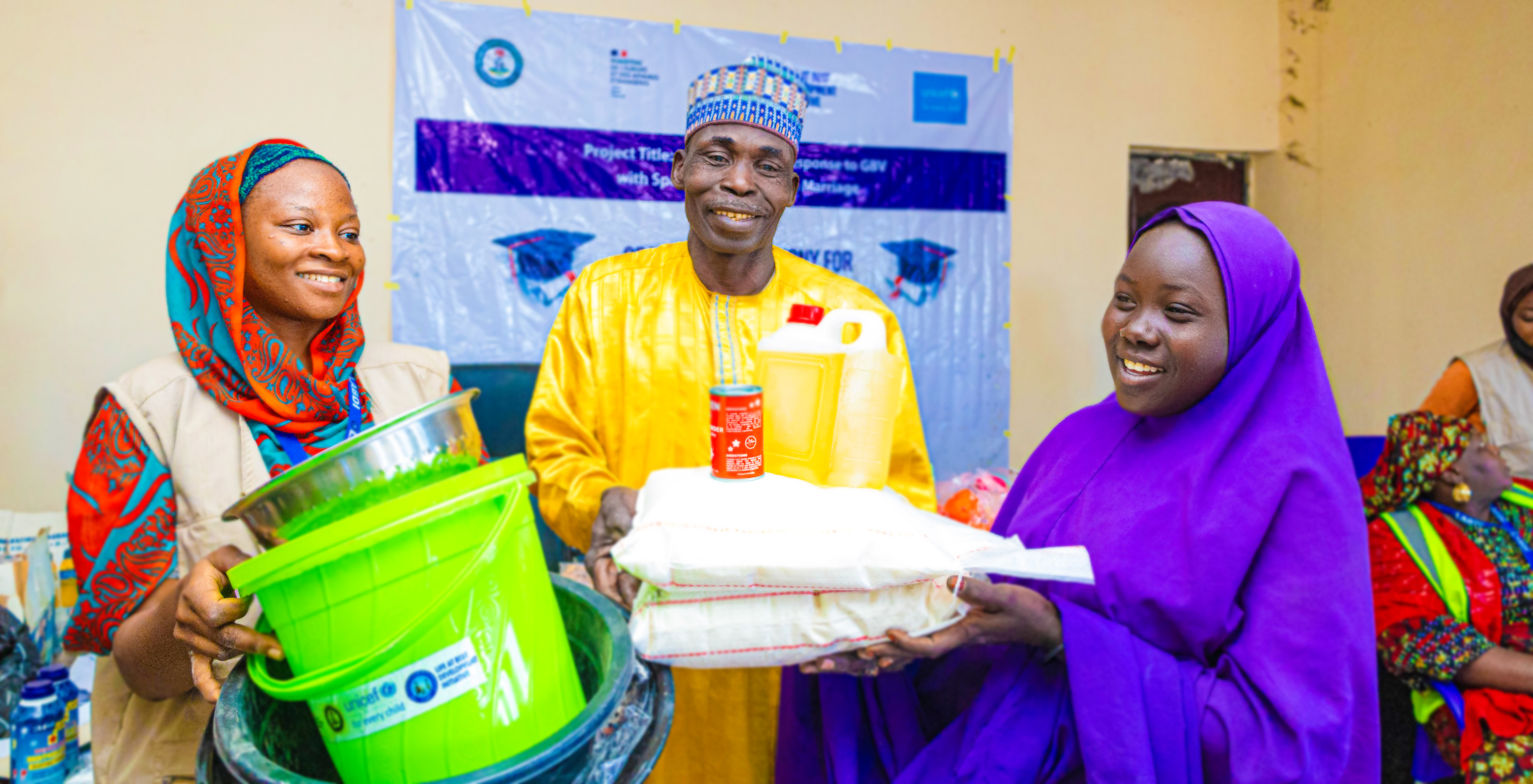
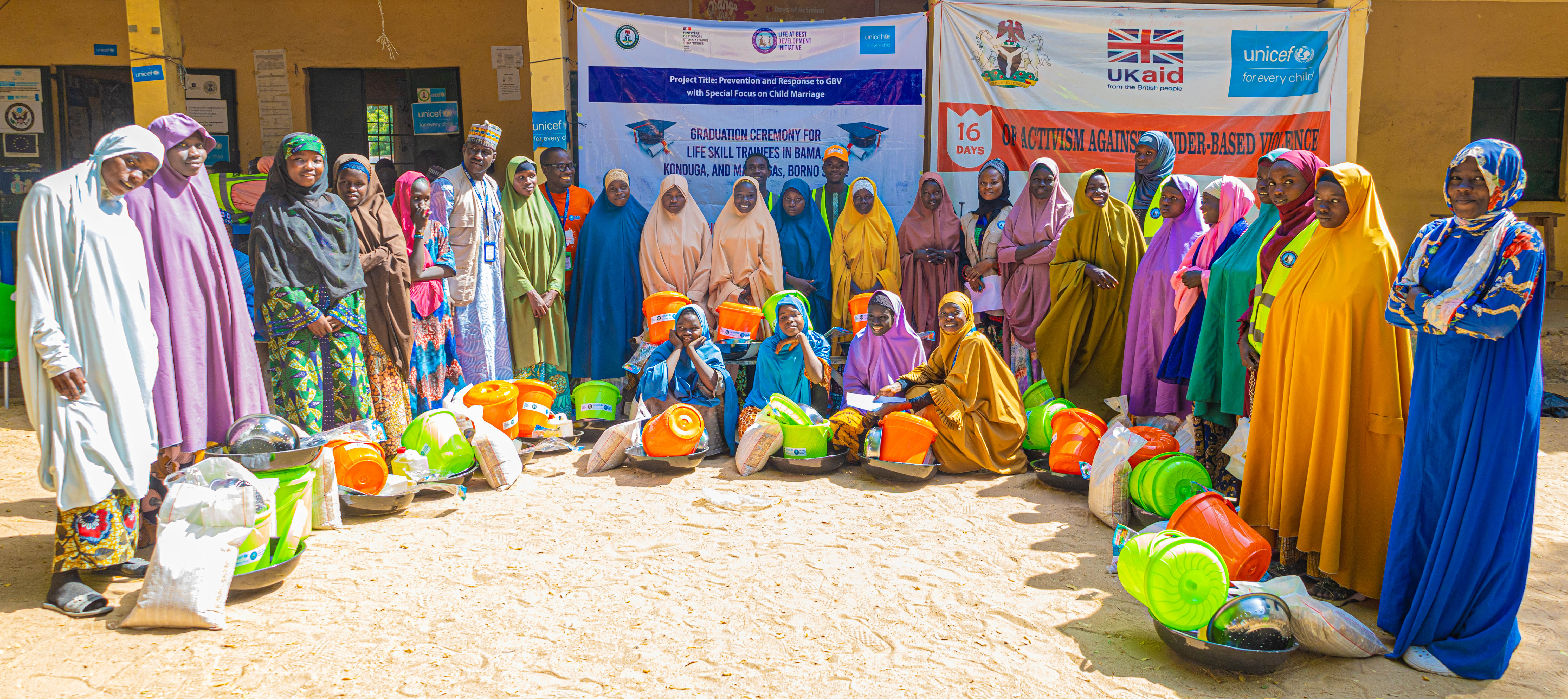
LABDI, in partnership with UNICEF, made indelible positive marks in the lives of adolescents and youth in Bama, Monguno and Mafa LGAs of Borno State.

The project achieved remarkable progress across Bama, Konduga, and Mafa LGAs, surpassing its target by reaching 4,020 individuals (201% of the goal). This includes 1183 girls, 870 boys, 1135 women, and 832 men through awareness on child marriage and harmful practices. Additionally, 185 adolescents (93% of the target) gained access to essential health, education, economic, and legal services, while 141 girls (94% of the target) expressed confidence in pursuing alternatives to child marriage after participating in empowerment programs. One notable success story emerged from Bama, where adolescent girls’ clubs were established, creating safe spaces for peer discussions and leadership development. The clubs empowered girls to challenge child marriage and advocate for education.


A standout case involved 15-year-old Aisha, who, after joining the club, convinced her family to delay her marriage, choosing to continue her education instead. This transformation, supported by UNICEF’s funding, illustrates the intervention’s powerful ripple effect on both individuals and the broader community.  Challenges, including weak referral pathways in Bor Tela, Bama (due to limited presence of implementing partners), hindered timely GBV response, while limited education partners in Bama strained the capacity to meet demand. LABDI tackled these hurdles by strengthening community-based child protection committees, training local influencers, and coordinating with religious leaders to improve referrals and expand educational support.


Further progress saw 200 adolescents participating in life skills training, enhancing their critical thinking and problem-solving abilities. This included 52 girls and 18 boys from Bama, 39 girls and 11 boys from Konduga, and 54 girls and 26 boys from Mafa. These skills empowered them to make informed decisions, reducing vulnerability to child marriage and boosting their confidence to pursue alternative futures.


Despite persistent challenges, LABDI’s adaptive approach, backed by UNICEF’s support, strengthened grassroots structures and increased community ownership. The program’s momentum, driven by success stories like Aisha’s, signals a transformative shift in attitudes toward child marriage, creating lasting change across targeted communities.

Do you have questions? Call or visit us.

+[234] 902 668 1249
223 Kabba Road, Adjacent Jamil Mosque, Old GRA Maiduguri, Borno State.

mail@labdinigeria.org 

Newsletter

Get latest news & update

© 2025 – LABDI. All rights reserved.

Carefully crafted by Themelexus