Celebrating a Champion of Peace: Ladi Clark Joins the Global Peace Hall of Fame

More than ever, our world urgently needs champions of peace—and it is only fitting to recognize individuals and institutions that tirelessly advance harmony, dignity, and justice across the globe.

One such remarkable catalyst is Mrs. Ladi Clark, whose unwavering commitment to peacebuilding continues to earn well-deserved recognition.

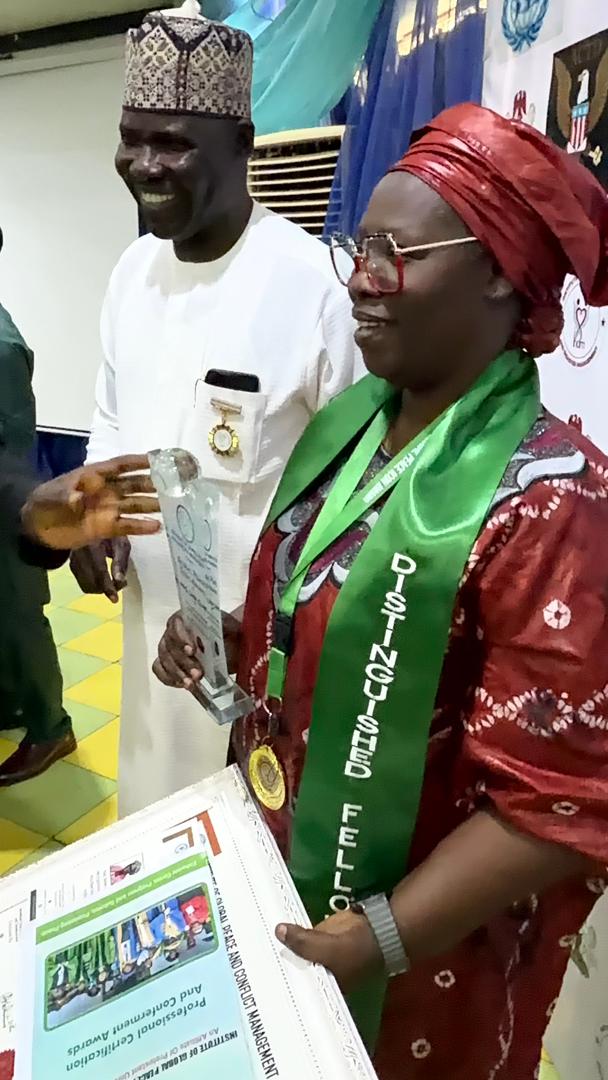
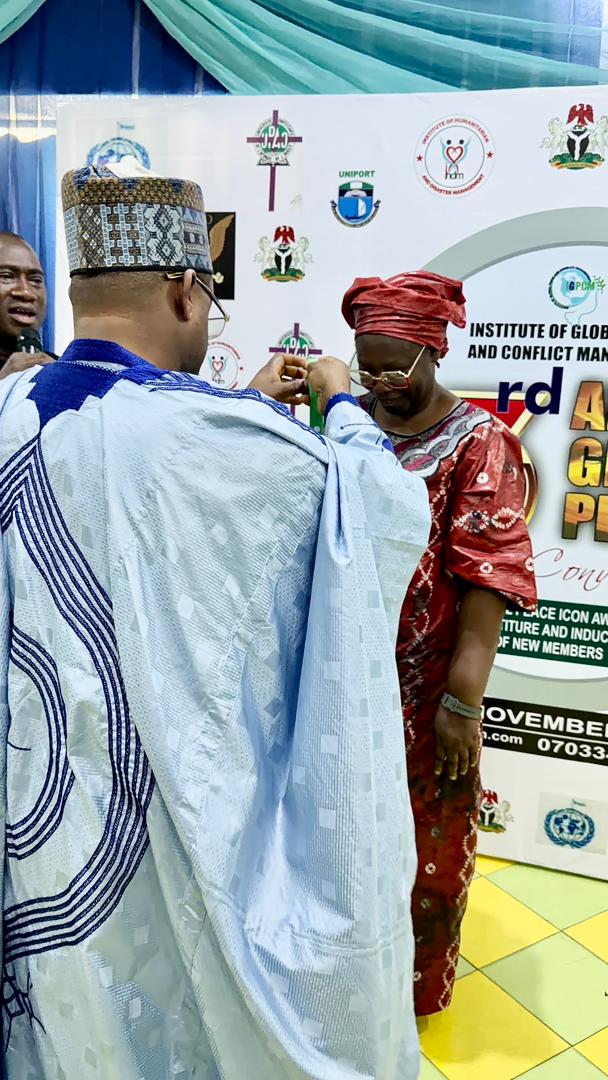
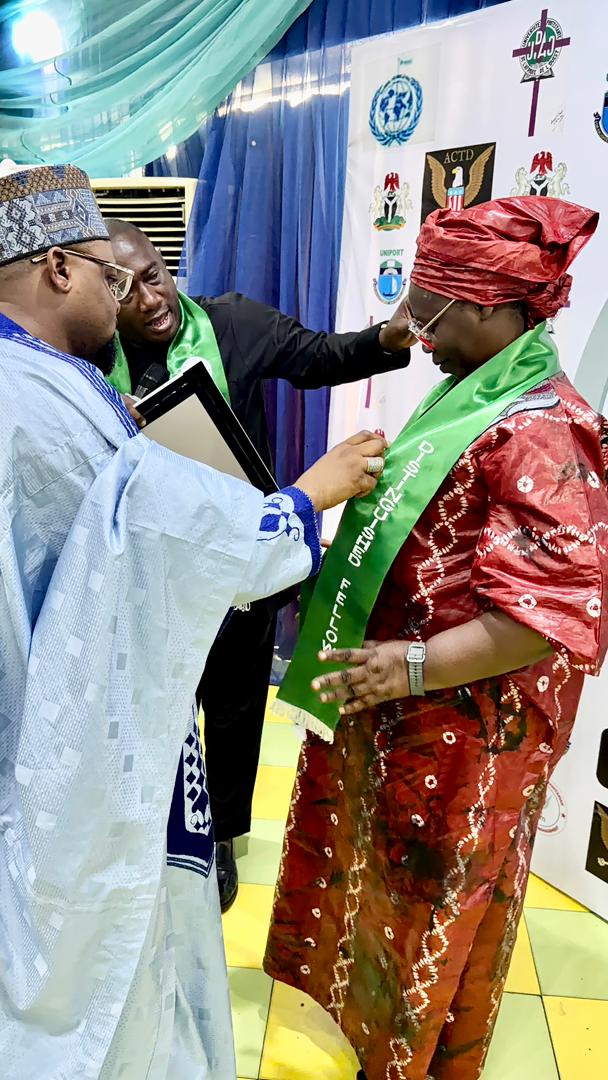
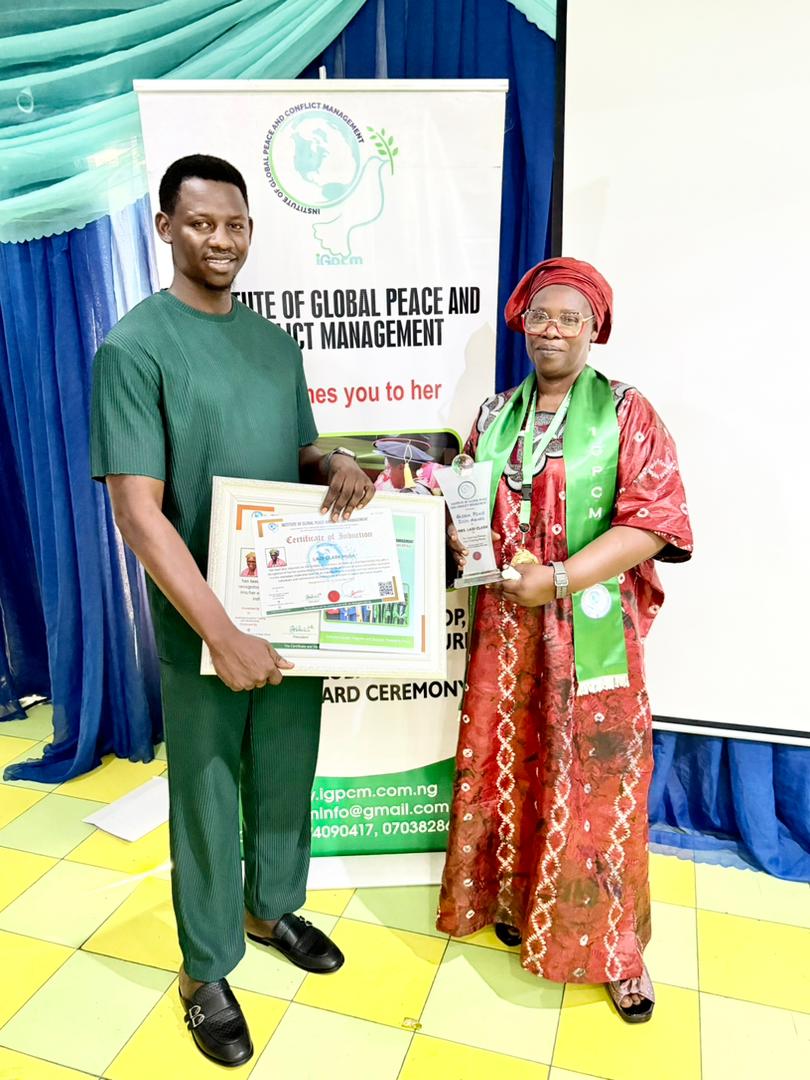
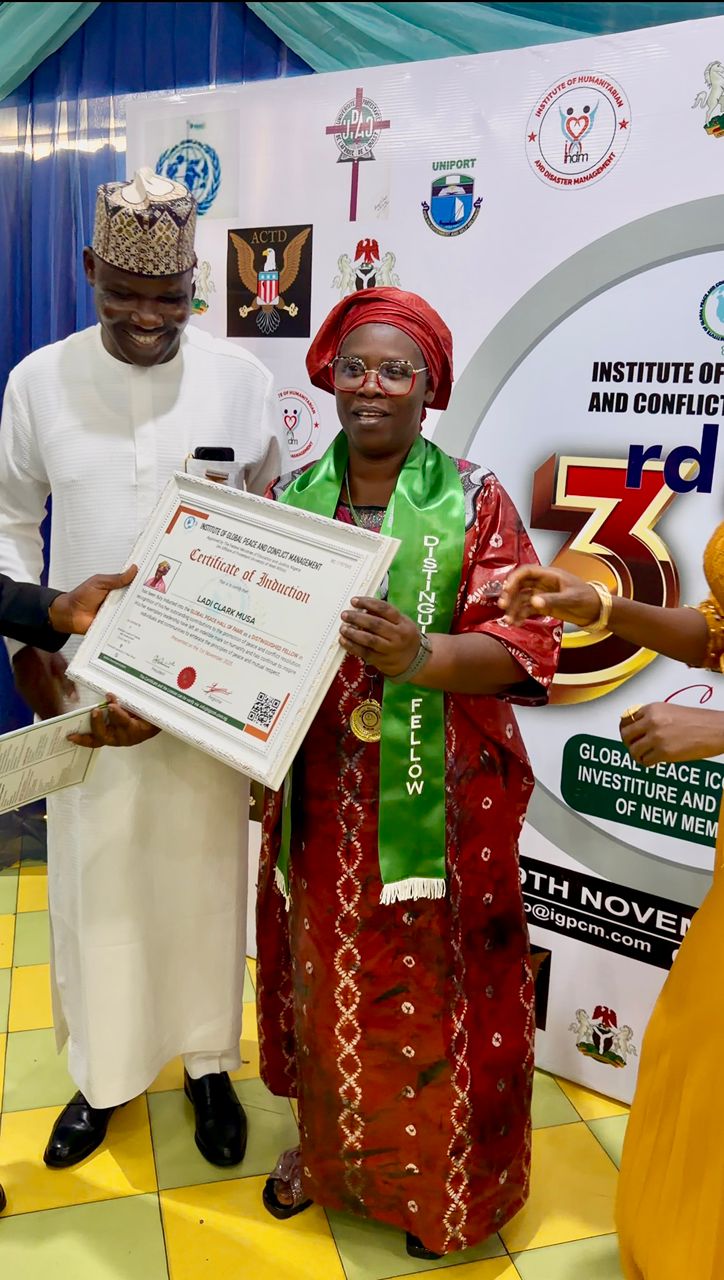
We are proud to announce that Madam Ladi Clark has been inducted into the Global Peace Hall of Fame as a Distinguished Fellow, in honor of her exceptional contributions to peace promotion and conflict resolution. Her exemplary leadership has left an indelible mark on humanity, inspiring individuals and communities to embrace the values of peace, justice, and mutual respect.

This prestigious induction stands as a genuine acknowledgment of her many years of dedicated work—particularly in conflict-affected regions of Nigeria—where she has consistently advocated for dignity, protection, and the upliftment of vulnerable populations.

At Life at Best Development Initiative (LABDI), we proudly celebrate our peace icon, Madam Ladi Clark, and reaffirm our commitment to walking alongside her in the pursuit of a peaceful world where the rights of all are upheld.

Congratulations, Peace Ambassador Ladi Clark Musa. Your legacy continues to inspire.
Groundbreaking Impact During the Last Flash Flood in Maiduguri

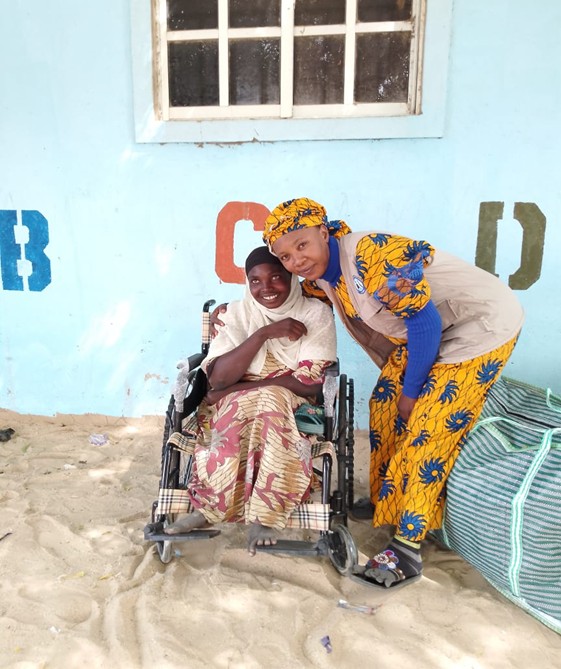
On December 3, 2024, 16-year-old Hauwa Alhaji Maina, a child with a disability who had become separated from her family, was discovered crawling within the Gubio IDP Camp. This concerning situation was on the camp’s coordination platform, advocating for assistance from relevant stakeholders.

In response, the emergency response team from the Life at Best Development Initiative (LABDI) engaged in addressing issues of sexual and gender-based violence (SGBV) and mental health and psychosocial support (MHPSS) through a Child-Friendly Space (CFS) registered Hauwa for case management and ensured she received the necessary support and services she needed.


Before this intervention, Hauwa faced significant challenges in mobility, as she had to move on her knees, which severely restricted her access to distribution sites for essential supplies within the camp. The situation was made worse during periods of extreme heat, which further limited her ability to navigate and often resulted in her missing out on crucial distributions of essential kits.


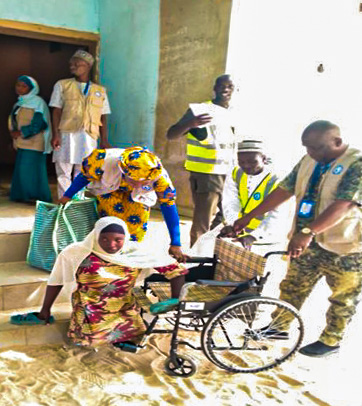
Following the provision of an assistive device (wheelchair), a dignity kit, and livelihood support to initiate a small-scale business, Hauwa’s demeanor has noticeably improved. The wheelchair has granted her enhanced mobility, enabling her to independently access various areas within the camp and participate in the distribution of essential items.


This newfound autonomy has significantly elevated her self-esteem and overall well-being. Additionally, the livelihood support has empowered her to generate personal income, allowing her to meet her immediate needs without relying on others for basic necessities.


Studies have shown that providing mobility aids, such as wheelchairs, not only enhances physical mobility but also positively impacts the psychosocial well-being of individuals, leading to improved self-esteem and quality of life.  By addressing both mobility and economic empowerment, these interventions have collectively contributed to Hauwa’s enhanced sense of dignity and self-sufficiency within the camp community. This joy has made Hauwa travel to some parts of the country with ease.

200 Adolescents empowered with life skills

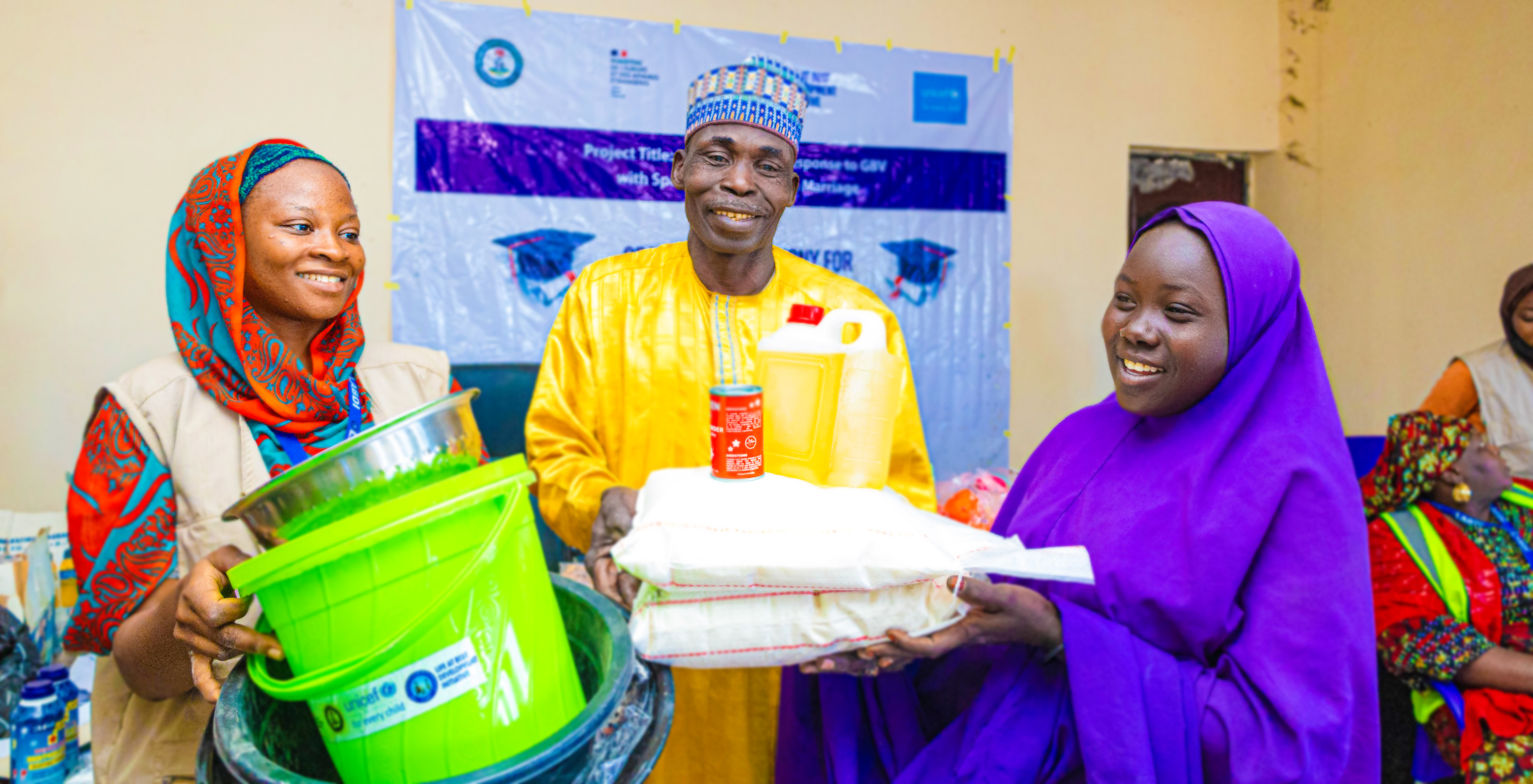
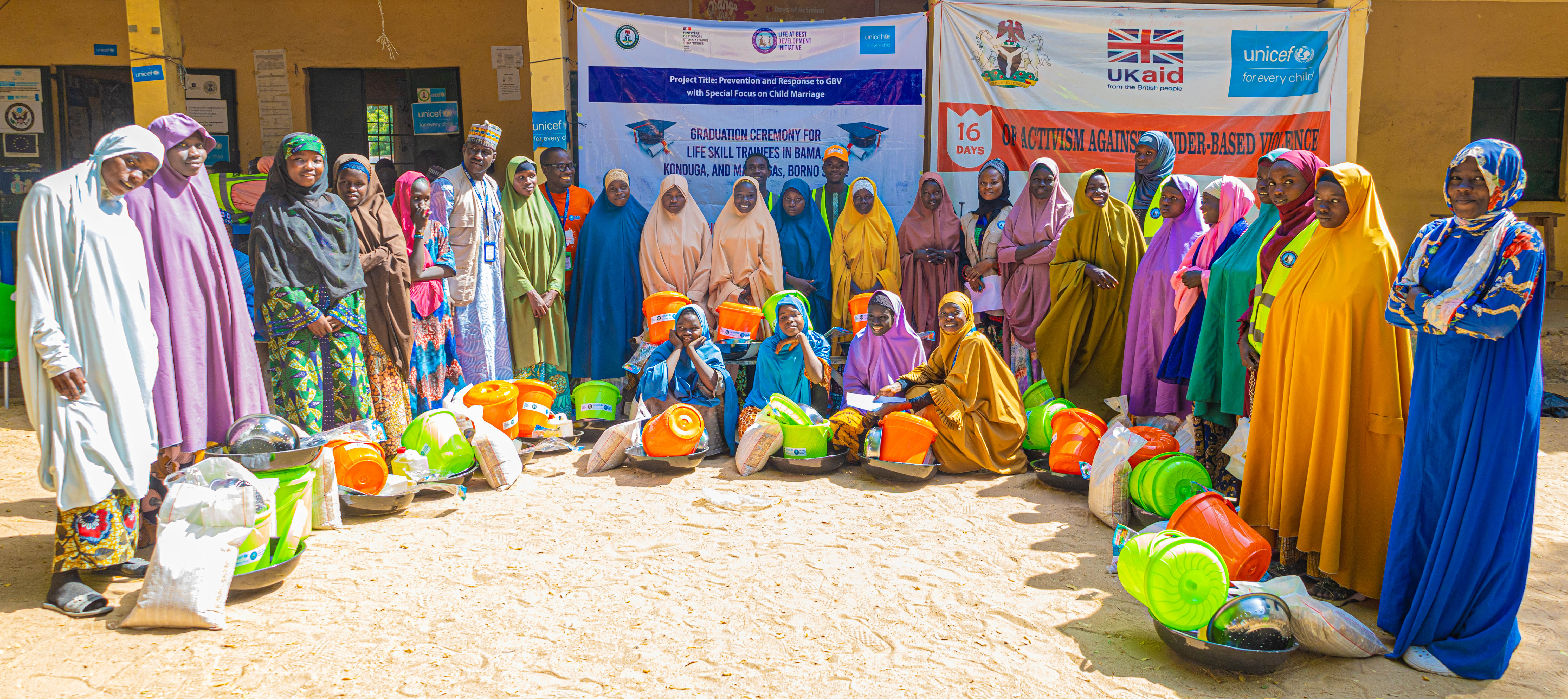
LABDI, in partnership with UNICEF, made indelible positive marks in the lives of adolescents and youth in Bama, Monguno and Mafa LGAs of Borno State.

The project achieved remarkable progress across Bama, Konduga, and Mafa LGAs, surpassing its target by reaching 4,020 individuals (201% of the goal). This includes 1183 girls, 870 boys, 1135 women, and 832 men through awareness on child marriage and harmful practices. Additionally, 185 adolescents (93% of the target) gained access to essential health, education, economic, and legal services, while 141 girls (94% of the target) expressed confidence in pursuing alternatives to child marriage after participating in empowerment programs. One notable success story emerged from Bama, where adolescent girls’ clubs were established, creating safe spaces for peer discussions and leadership development. The clubs empowered girls to challenge child marriage and advocate for education.


A standout case involved 15-year-old Aisha, who, after joining the club, convinced her family to delay her marriage, choosing to continue her education instead. This transformation, supported by UNICEF’s funding, illustrates the intervention’s powerful ripple effect on both individuals and the broader community.  Challenges, including weak referral pathways in Bor Tela, Bama (due to limited presence of implementing partners), hindered timely GBV response, while limited education partners in Bama strained the capacity to meet demand. LABDI tackled these hurdles by strengthening community-based child protection committees, training local influencers, and coordinating with religious leaders to improve referrals and expand educational support.


Further progress saw 200 adolescents participating in life skills training, enhancing their critical thinking and problem-solving abilities. This included 52 girls and 18 boys from Bama, 39 girls and 11 boys from Konduga, and 54 girls and 26 boys from Mafa. These skills empowered them to make informed decisions, reducing vulnerability to child marriage and boosting their confidence to pursue alternative futures.


Despite persistent challenges, LABDI’s adaptive approach, backed by UNICEF’s support, strengthened grassroots structures and increased community ownership. The program’s momentum, driven by success stories like Aisha’s, signals a transformative shift in attitudes toward child marriage, creating lasting change across targeted communities.

Do you have questions? Call or visit us.

+[234] 902 668 1249
223 Kabba Road, Adjacent Jamil Mosque, Old GRA Maiduguri, Borno State.

mail@labdinigeria.org 

Newsletter

Get latest news & update

© 2025 – LABDI. All rights reserved.

Carefully crafted by Themelexus