
 Life At Best Development Initiative (LABDI)
In six months, projected targets became real-time, life-saving impact for more than 26,500 women and children across four LGAs in Borno and Yobe States.
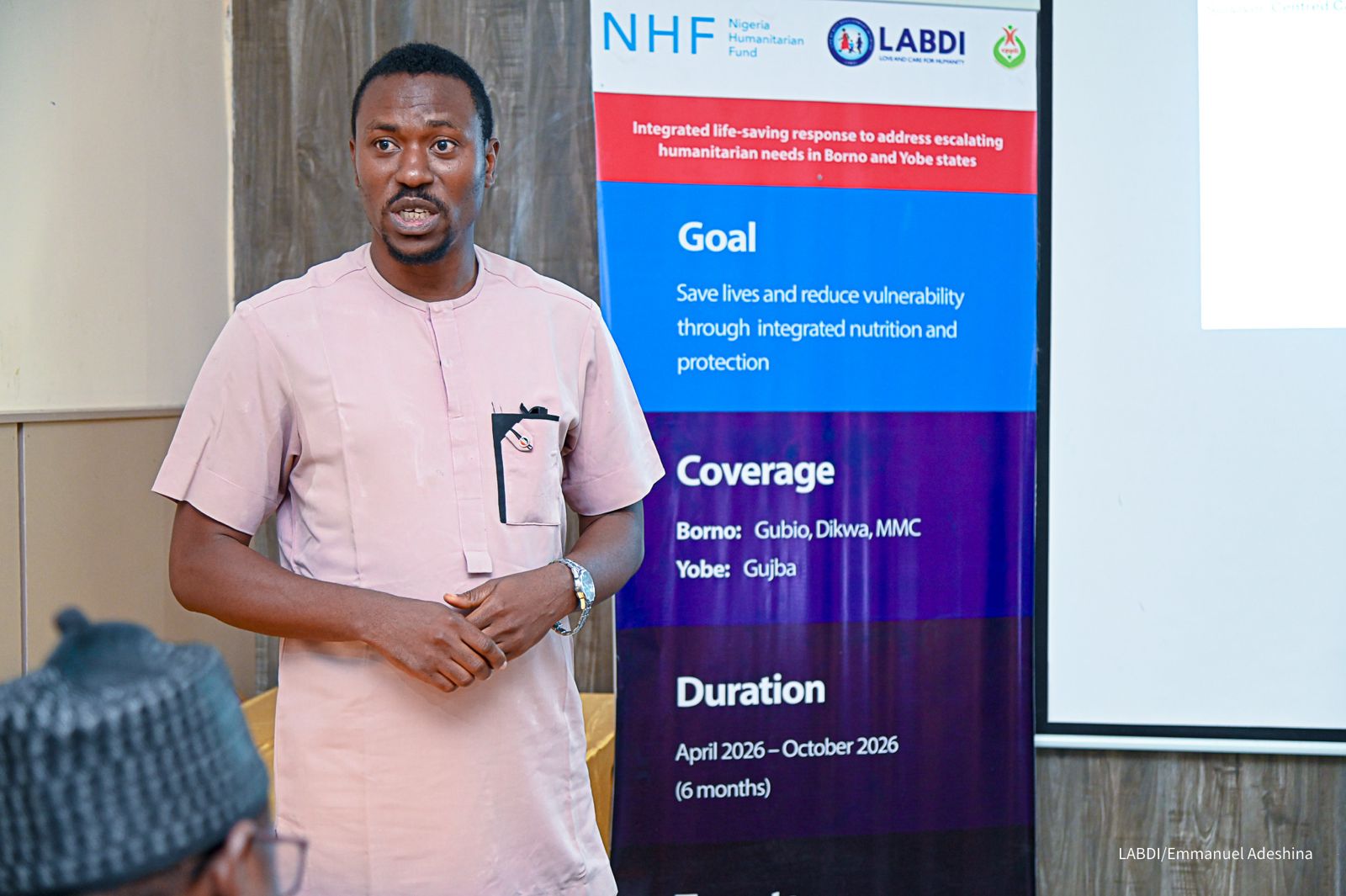
With support from the Nigeria Humanitarian Fund (NHF), Life At Best Development Initiative (LABDI) implemented an integrated humanitarian response addressing critical needs across Nutrition, Violence Against Women and Girls (VAWG)/Gender-Based Violence (GBV), Child Protection, Cash and Voucher Assistance (CVA), and Monitoring, Evaluation, Accountability and Learning (MEAL).
The response reached women and children affected by humanitarian challenges across four Local Government Areas in Borno and Yobe States, translating programme projections into tangible support for people and communities in need.
But beyond the numbers, the close of a project is also an opportunity to pause, reflect and ask an important question: What have we learned, and how can we do better?
Reflecting on the journey
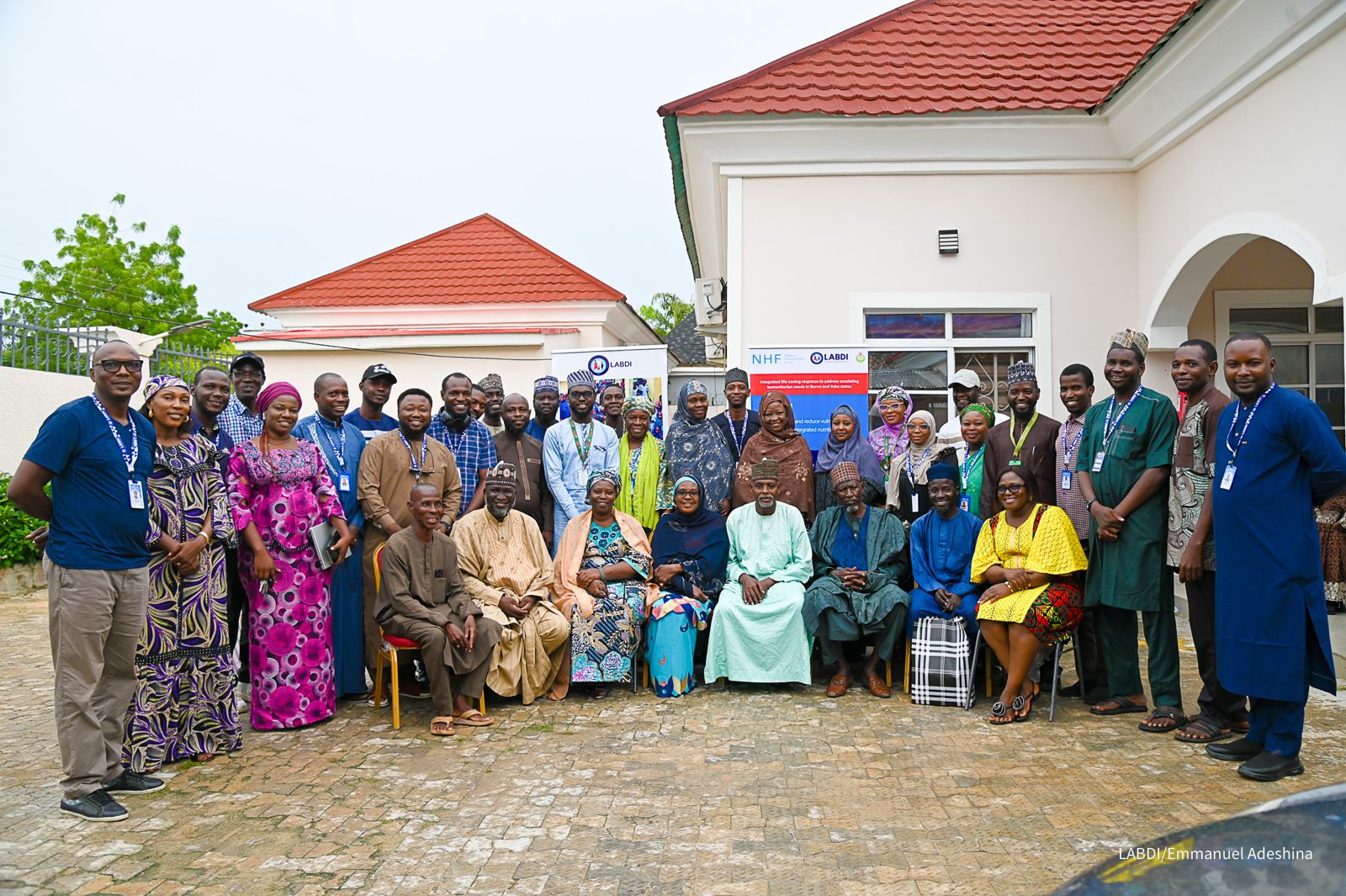
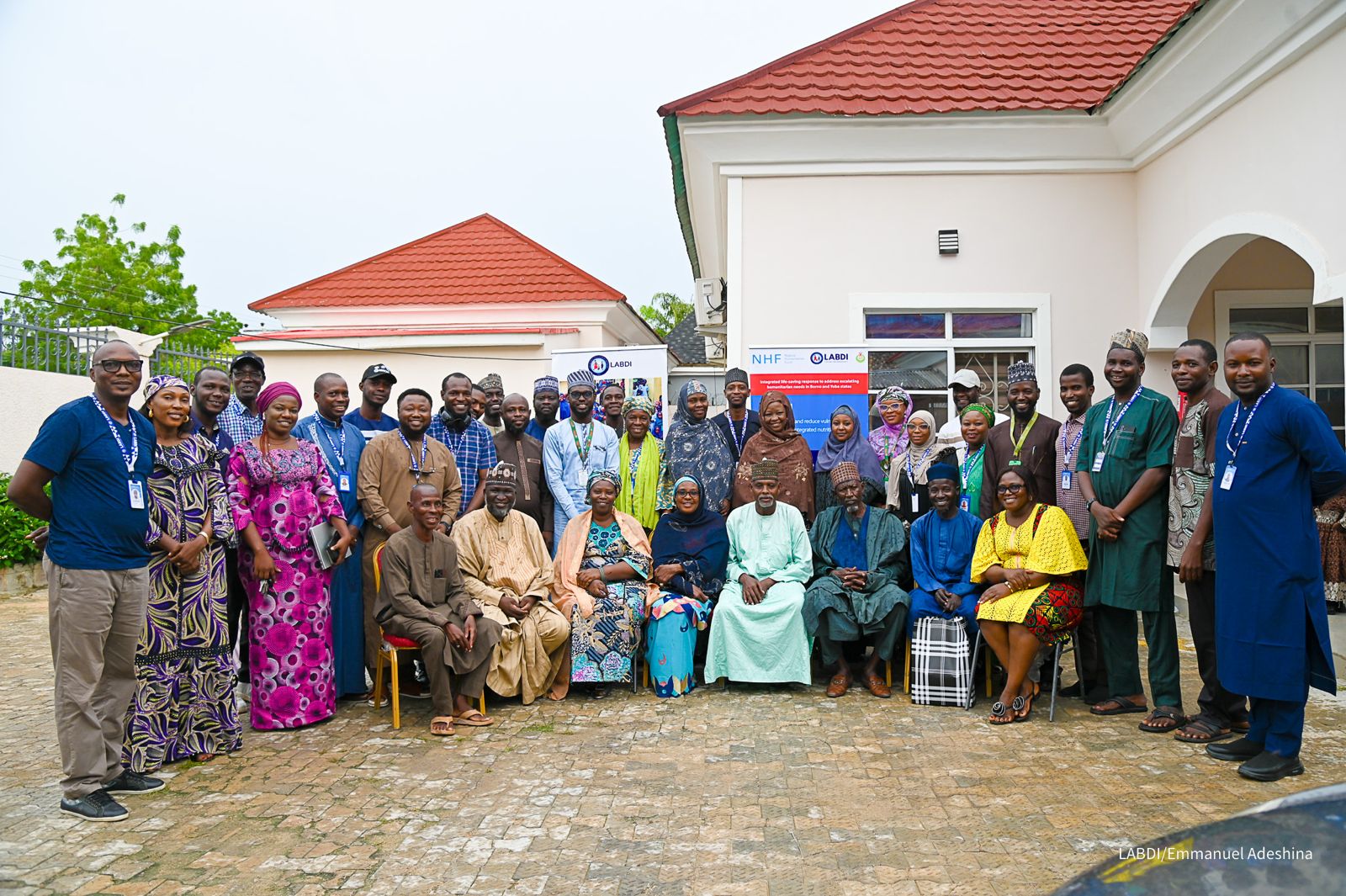
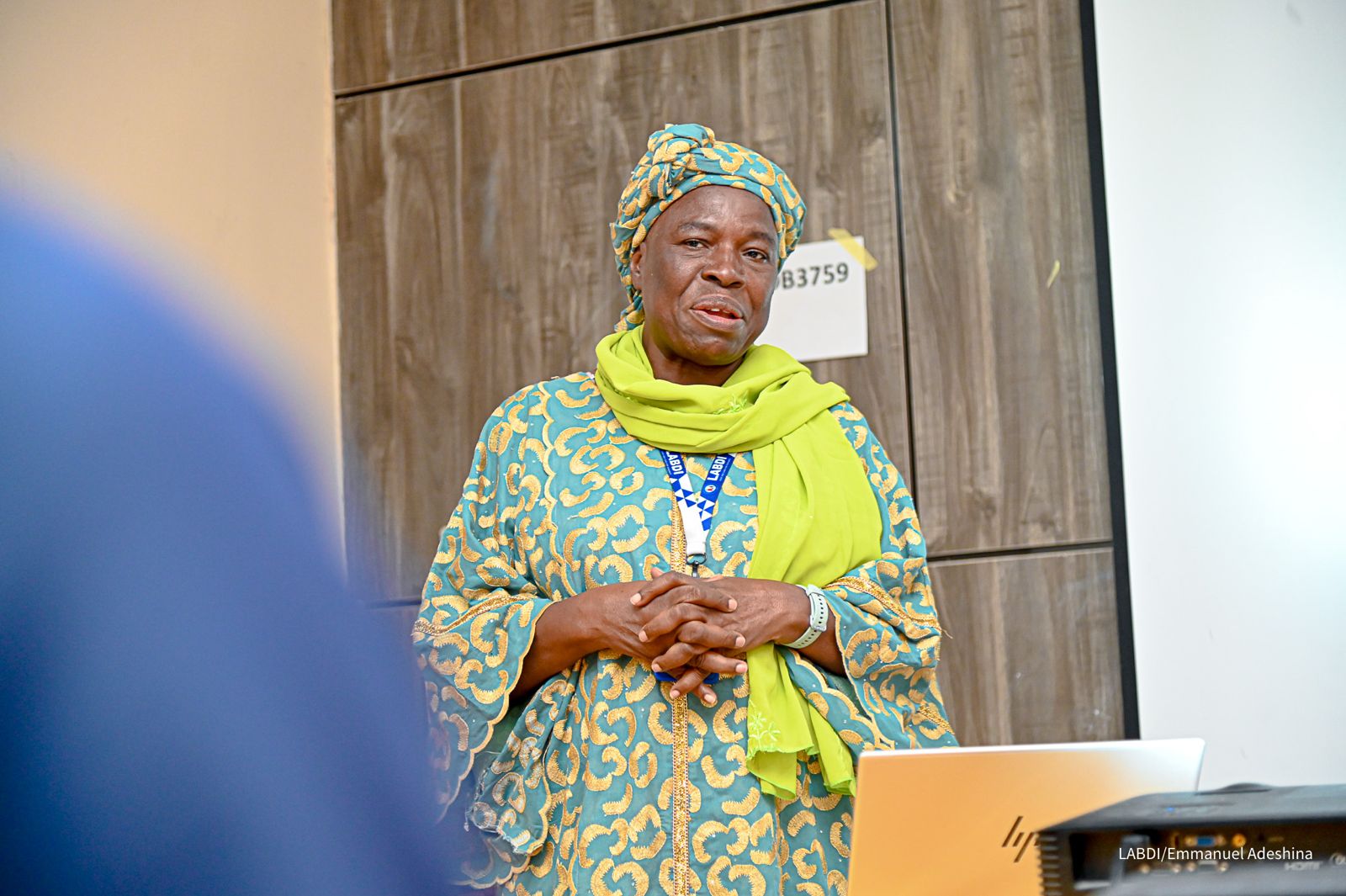
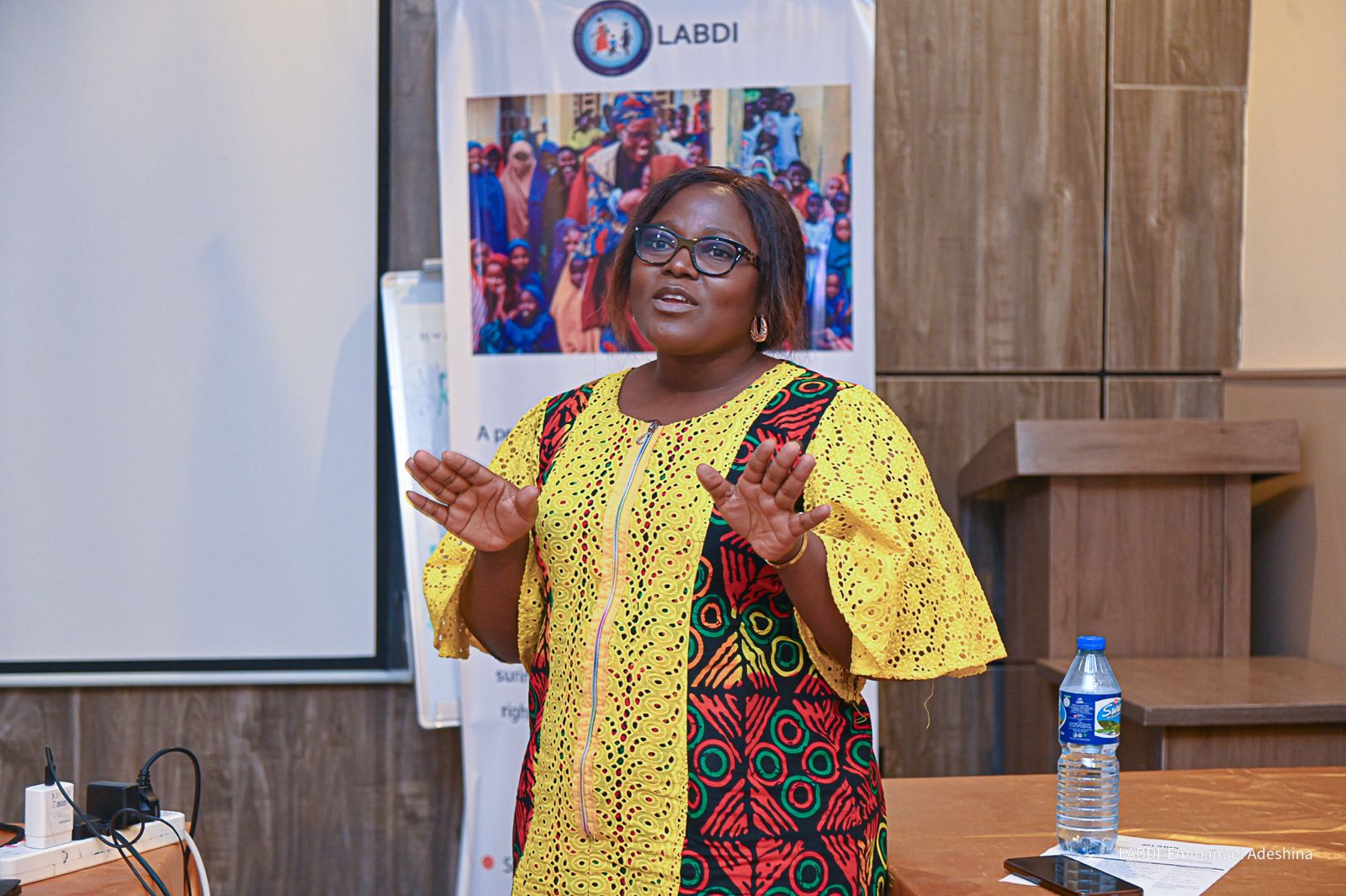
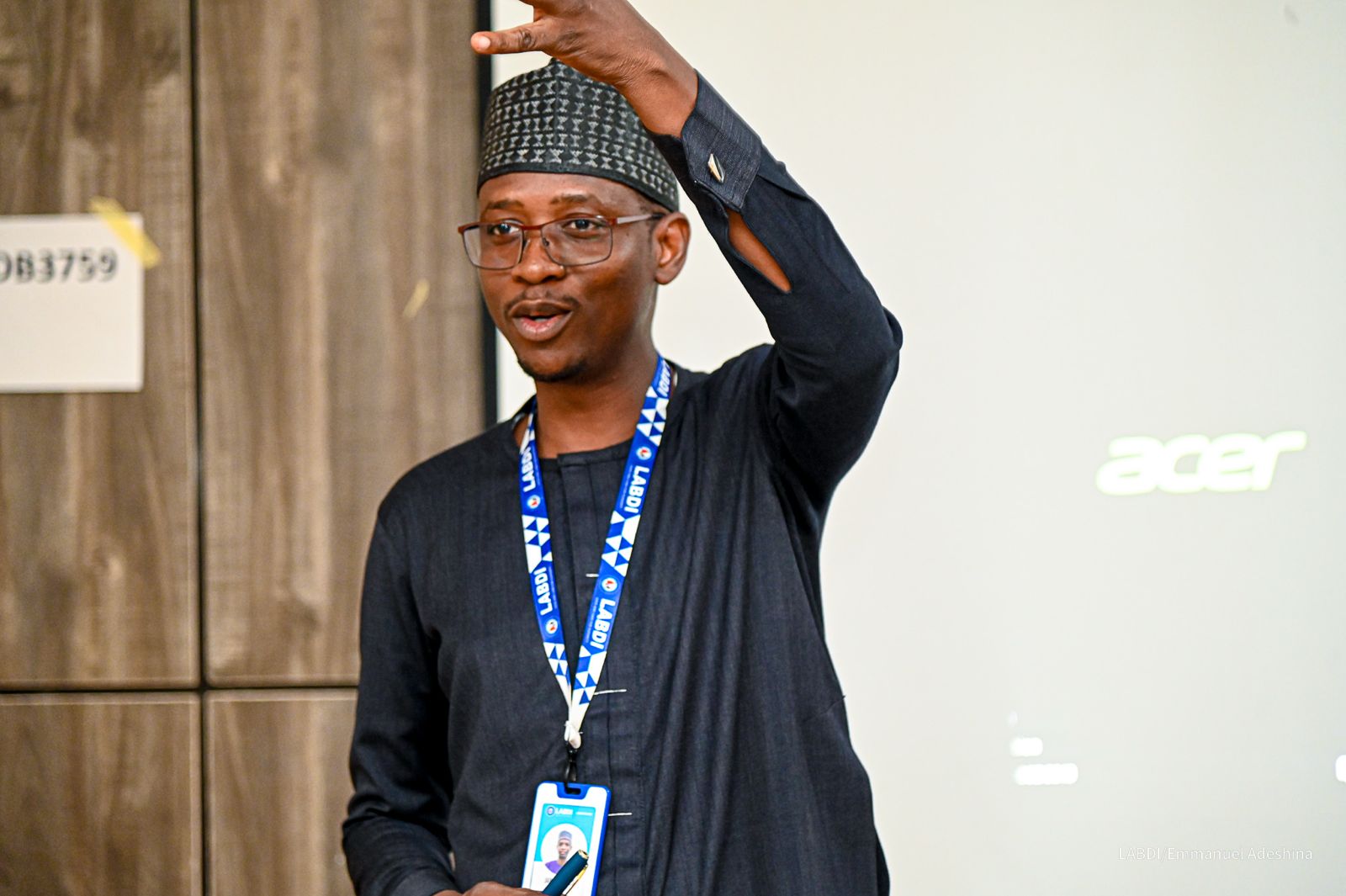
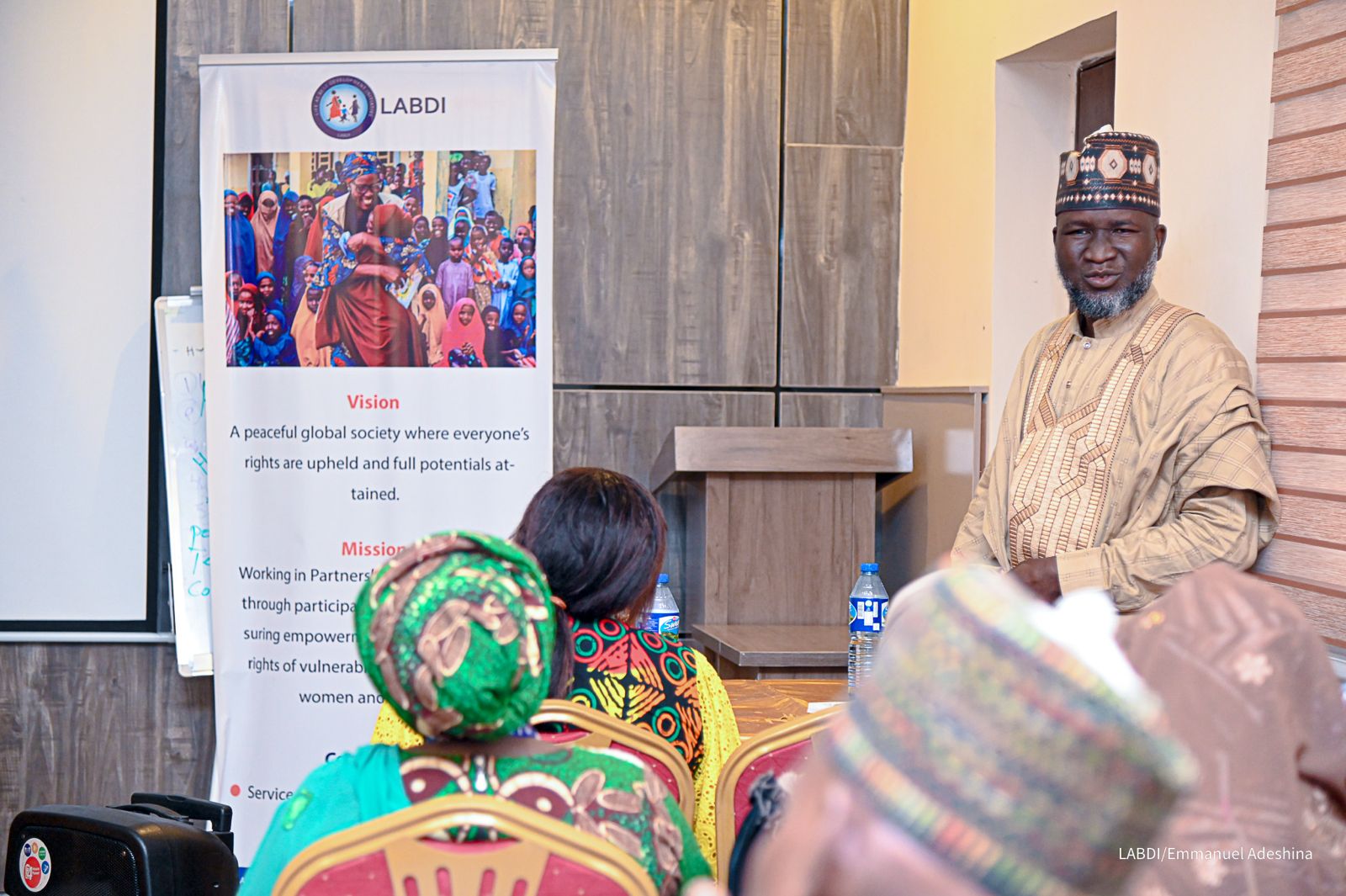
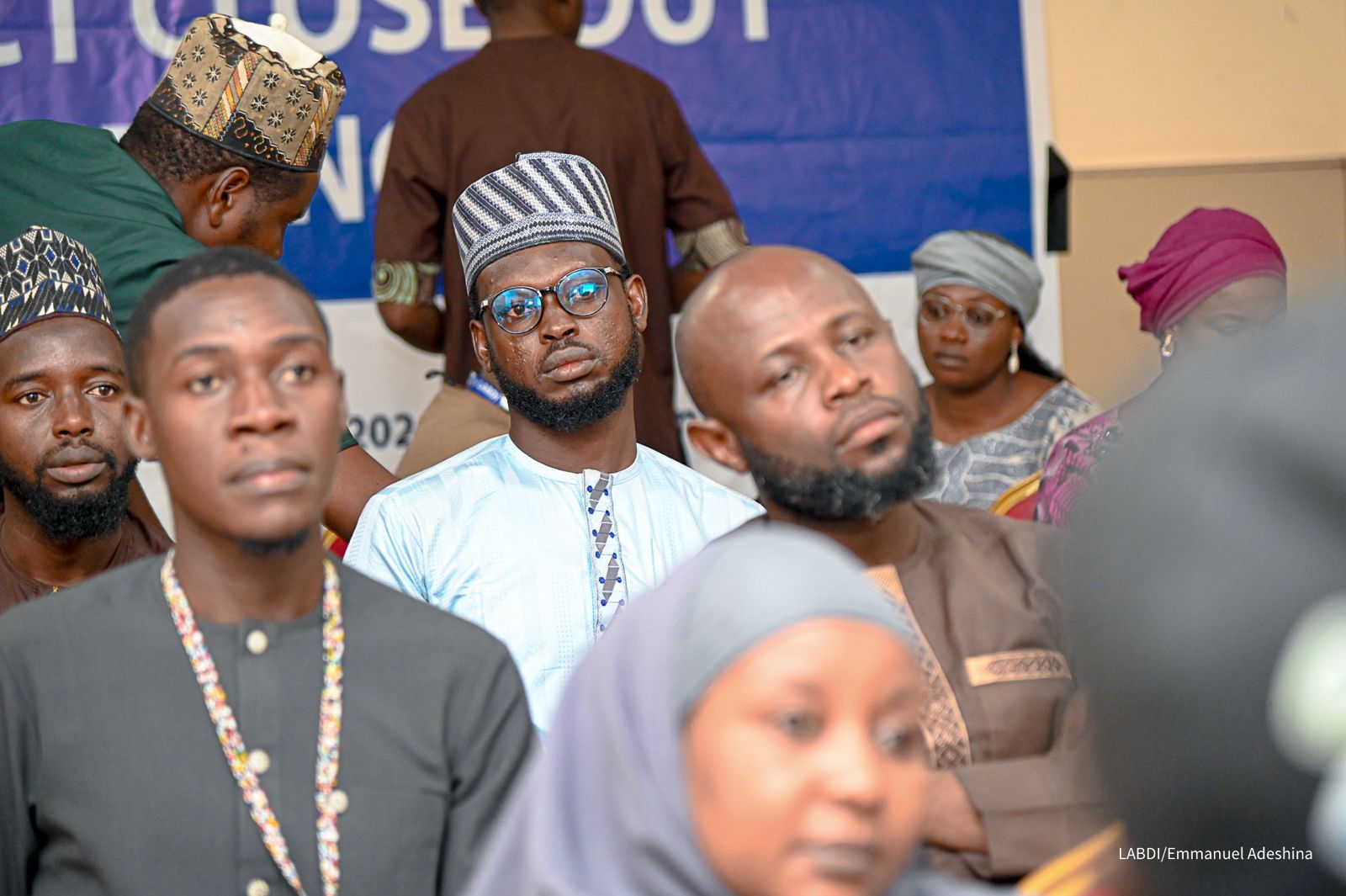
Yesterday, LABDI, together with relevant sector and community stakeholders, held a project close-out review meeting to reflect on the implementation of the integrated response.
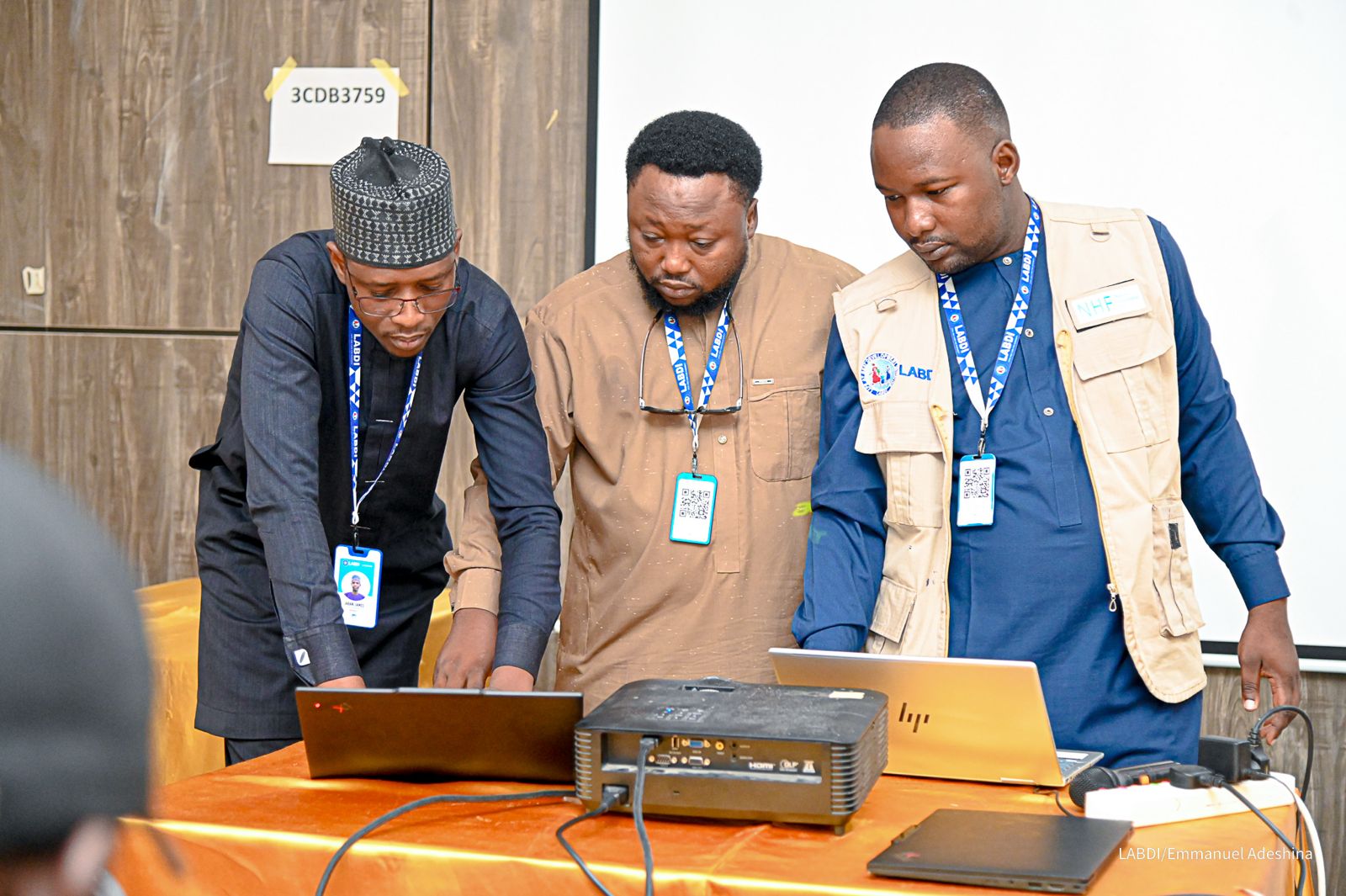
The meeting provided an opportunity to present achievements across the different sectors, examine progress against planned interventions, and reflect on the experiences of those involved in implementation.
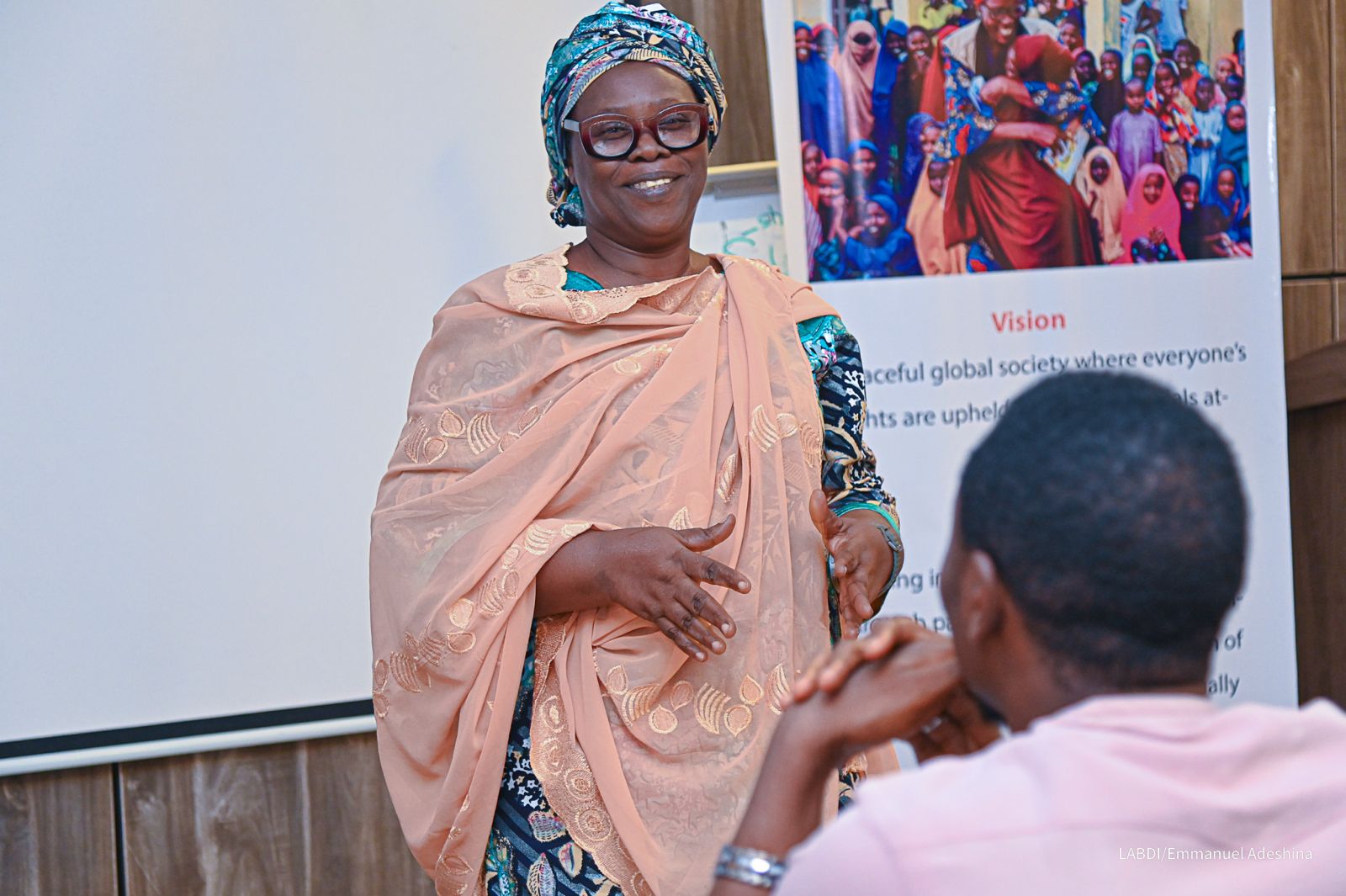
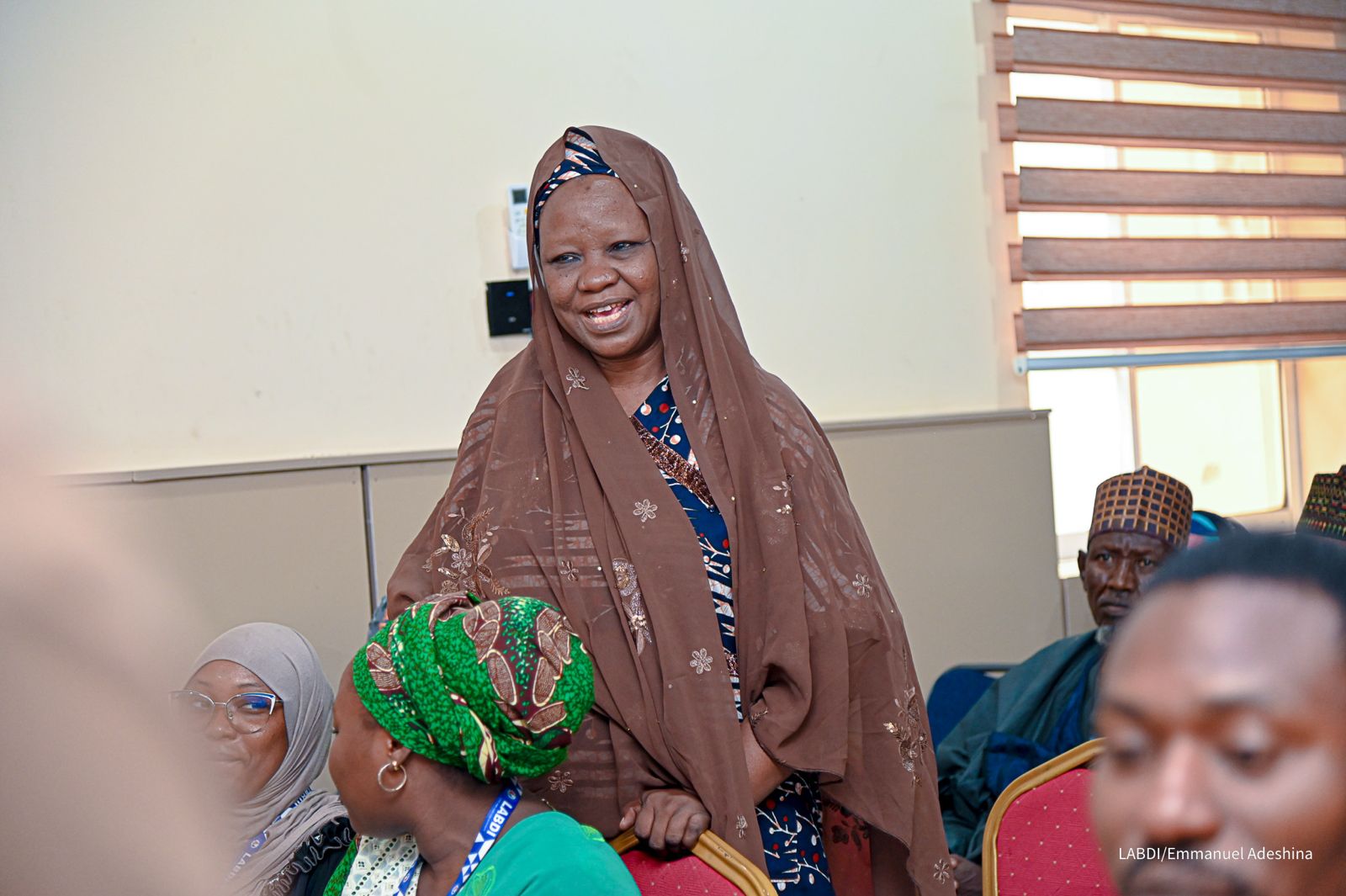
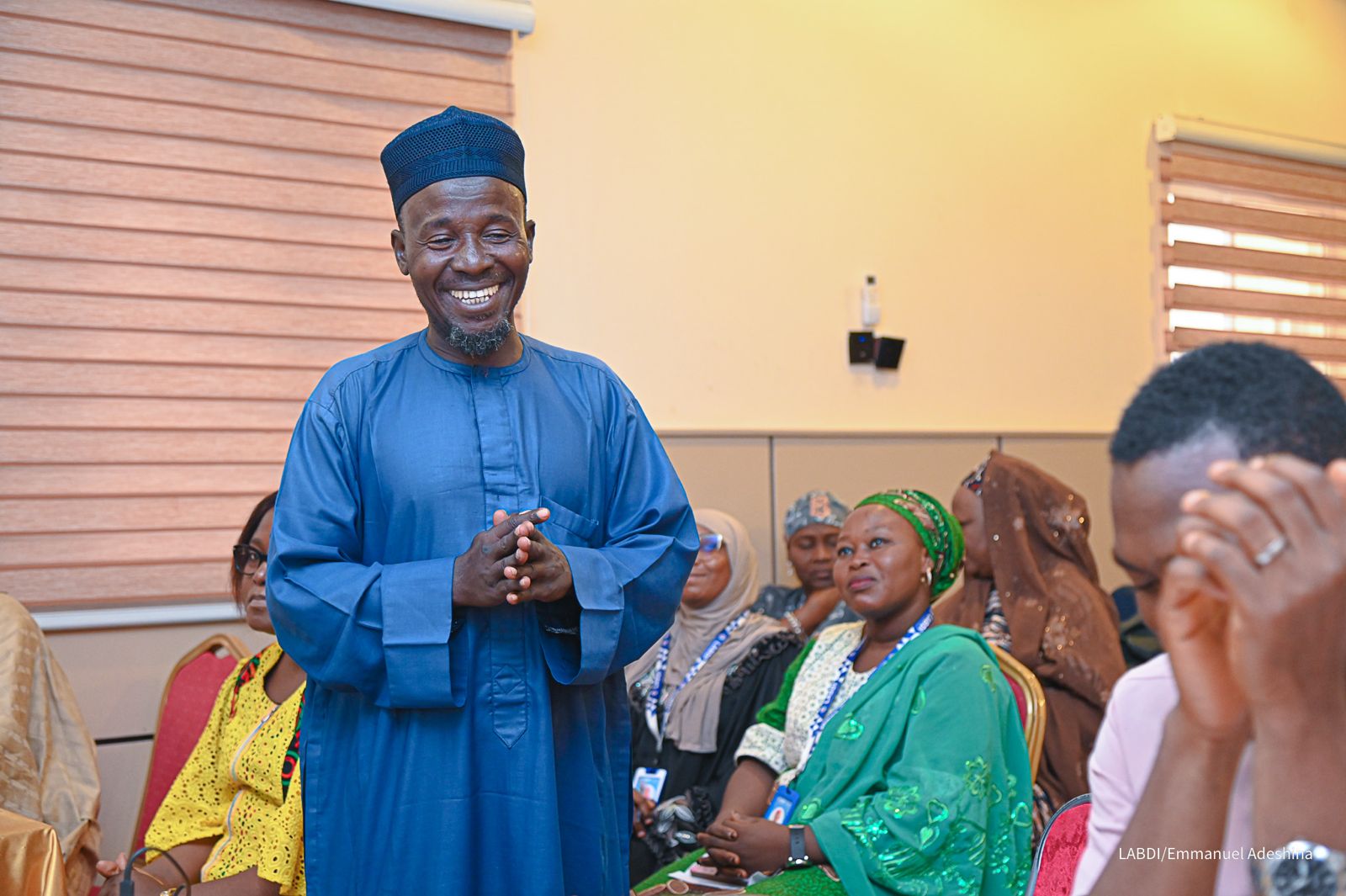
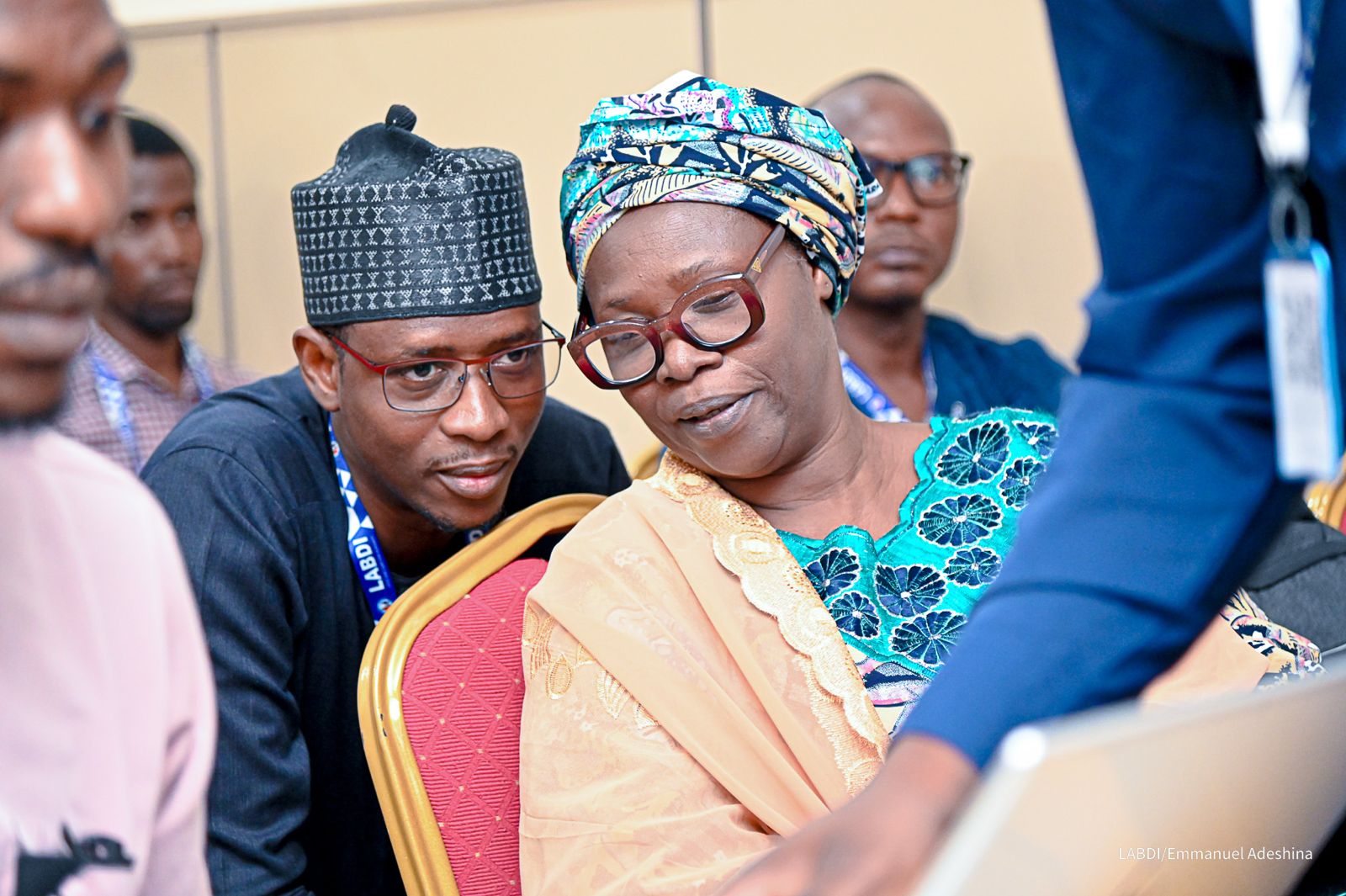
Stakeholders also shared reflections on what worked, the challenges encountered, and the realities that shaped implementation at the community level.
Turning experience into learning
For LABDI, accountability goes beyond reporting numbers. It also means creating space to listen, learn and improve.
The review therefore focused on consolidating key lessons from the implementation process and identifying priority actions for the close-out of the response.
These reflections are valuable not only for concluding the current project but also for strengthening future humanitarian programming.
Looking ahead
The impact of a humanitarian response should not end with a project close-out meeting.
The lessons gathered, stakeholder perspectives shared, and experiences documented should continue to inform how interventions are designed and delivered.
From projected targets to tangible outcomes, the past six months have demonstrated what can be achieved when resources, partnerships, technical expertise and community engagement come together.
More than 26,800 women and children reached. Six months of implementation. One opportunity to learn, improve and strengthen the response for what comes next.
LABDI remains committed to working with communities and partners to ensure that humanitarian action is responsive, accountable and centred on the people it seeks to serve.
Love and care for humanity.