
 Life At Best Development Initiative (LABDI)
For years, residents of Islamiya and Kasungula communities in Magumeri Local Government Area faced daily challenges in accessing safe water and adequate sanitation facilities. Women and children often walked long distances in search of water, while limited sanitation infrastructure exposed families to preventable health risks and compromised the dignity and safety of community members.
Today, that reality is changing.
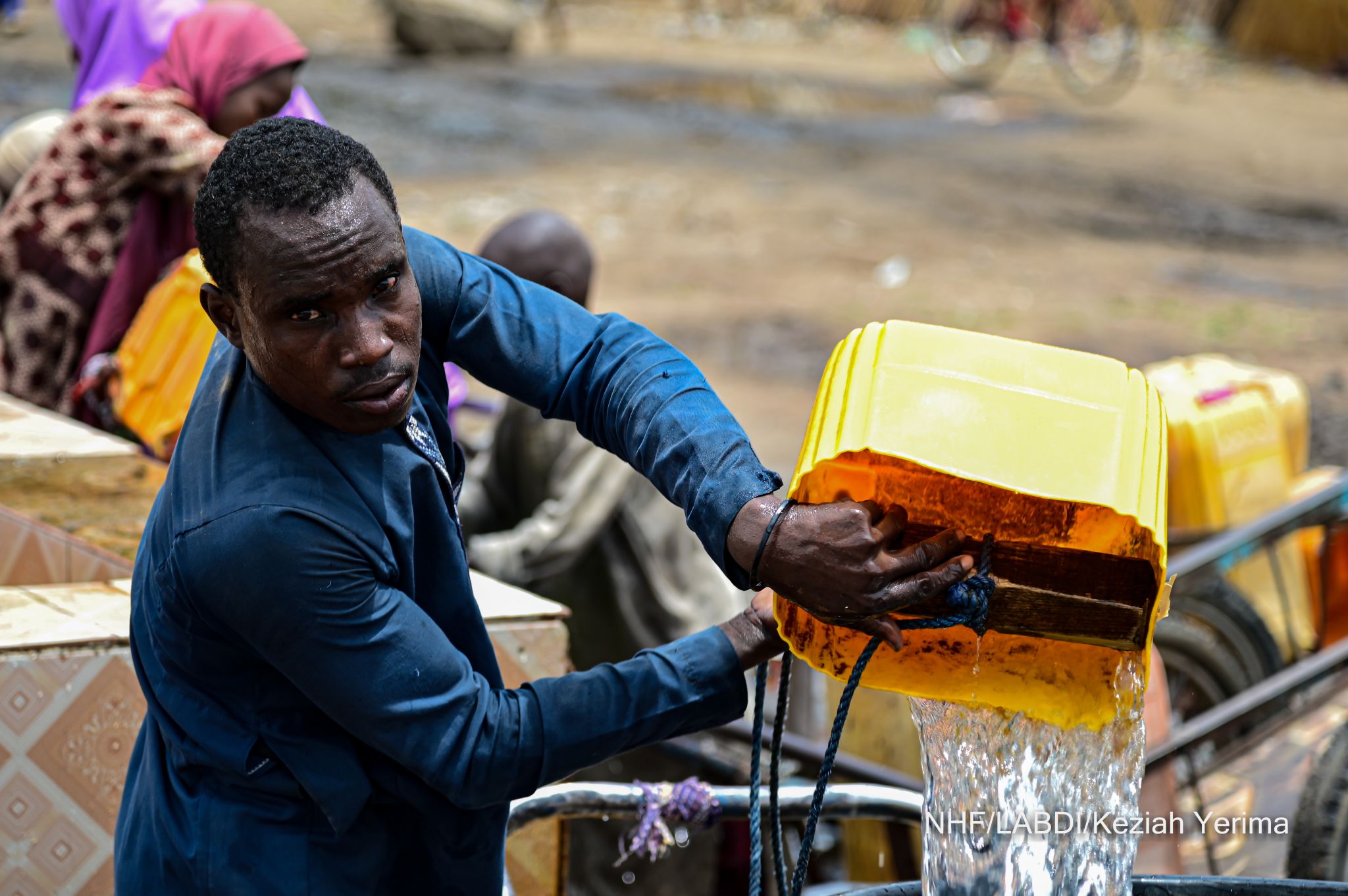
Through targeted Water, Sanitation and Hygiene (WASH) interventions implemented by Life At Best Development Initiative (LABDI), community members in Islamiya and Kasungula now have improved access to clean water and safe sanitation facilities, significantly enhancing their quality of life.
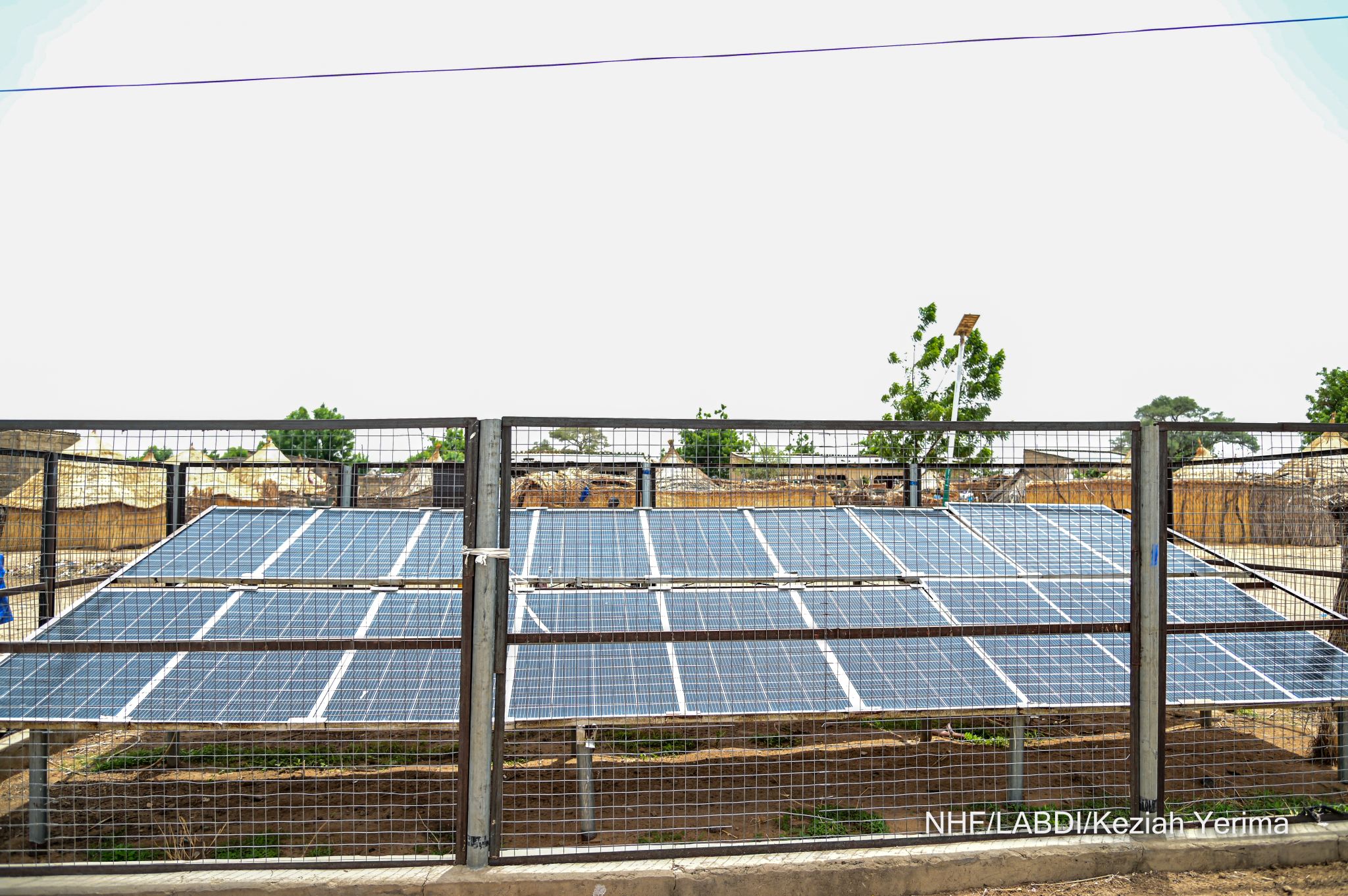
The rehabilitation of community water systems has restored reliable access to safe water for hundreds of households. To ensure uninterrupted service, solar-powered energy systems were installed, enabling the facilities to continue functioning even during frequent power outages. This sustainable solution has reduced the burden on families, particularly women and girls, who traditionally bear the responsibility of fetching water for household use.
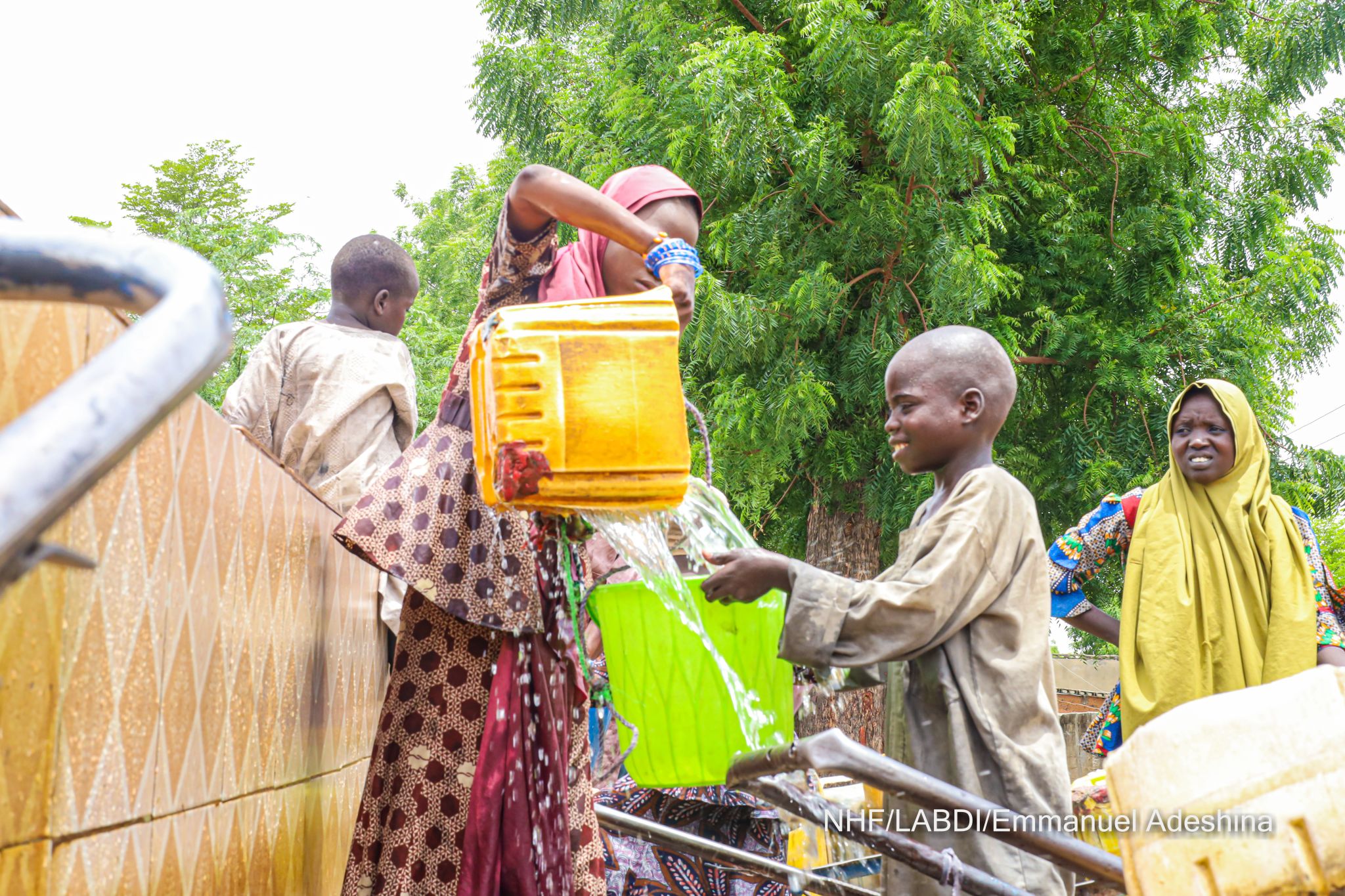
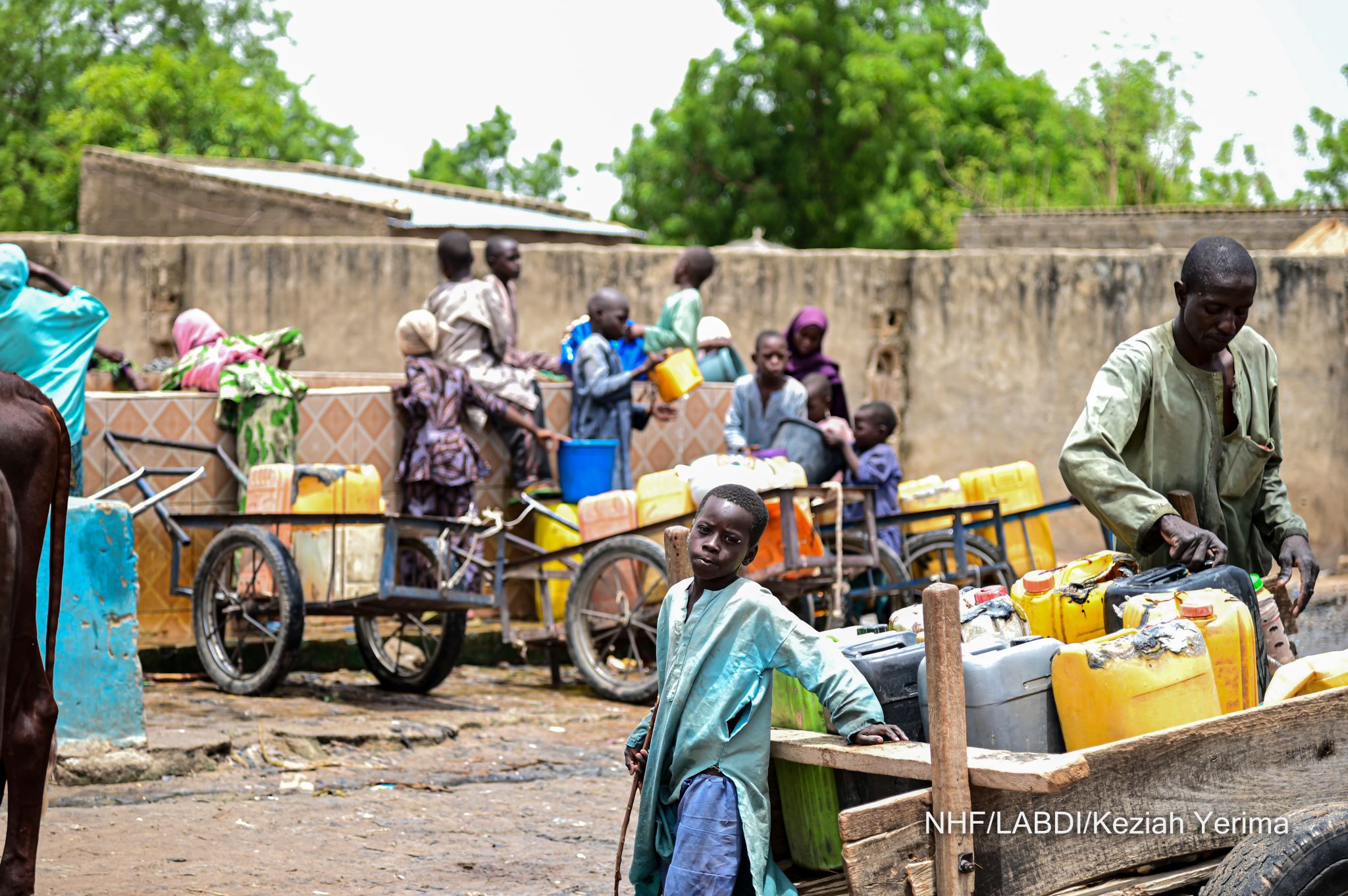
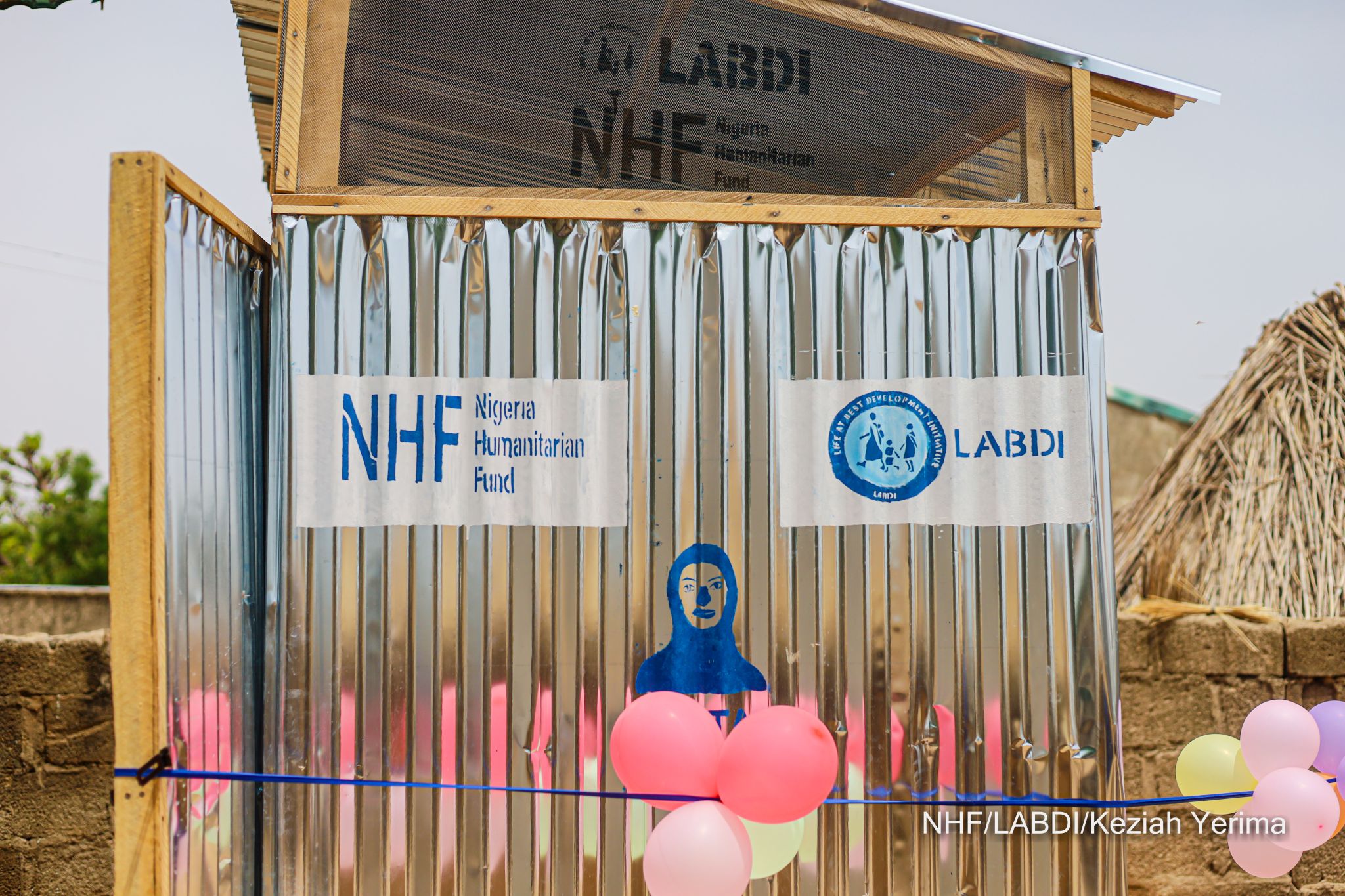
Access to clean water is not only saving time and effort; it is also helping to improve health outcomes by reducing the risk of waterborne diseases and promoting better hygiene practices within the communities.
In addition to improving water access, LABDI constructed sanitation facilities designed to provide safe, dignified, and hygienic spaces for community members. The availability of these facilities has contributed to a significant reduction in open defecation, a practice that poses serious public health and environmental risks.
The intervention is particularly beneficial for women and girls, who often face heightened safety concerns and privacy challenges in areas with inadequate sanitation infrastructure. With access to proper sanitation facilities, community members can now enjoy greater dignity, security, and improved health conditions.
Recognizing that sustainable development requires community ownership, LABDI worked closely with local stakeholders throughout the implementation process. Community members were engaged to promote responsibility for the maintenance and protection of the facilities, ensuring that the benefits of the intervention will continue long into the future.
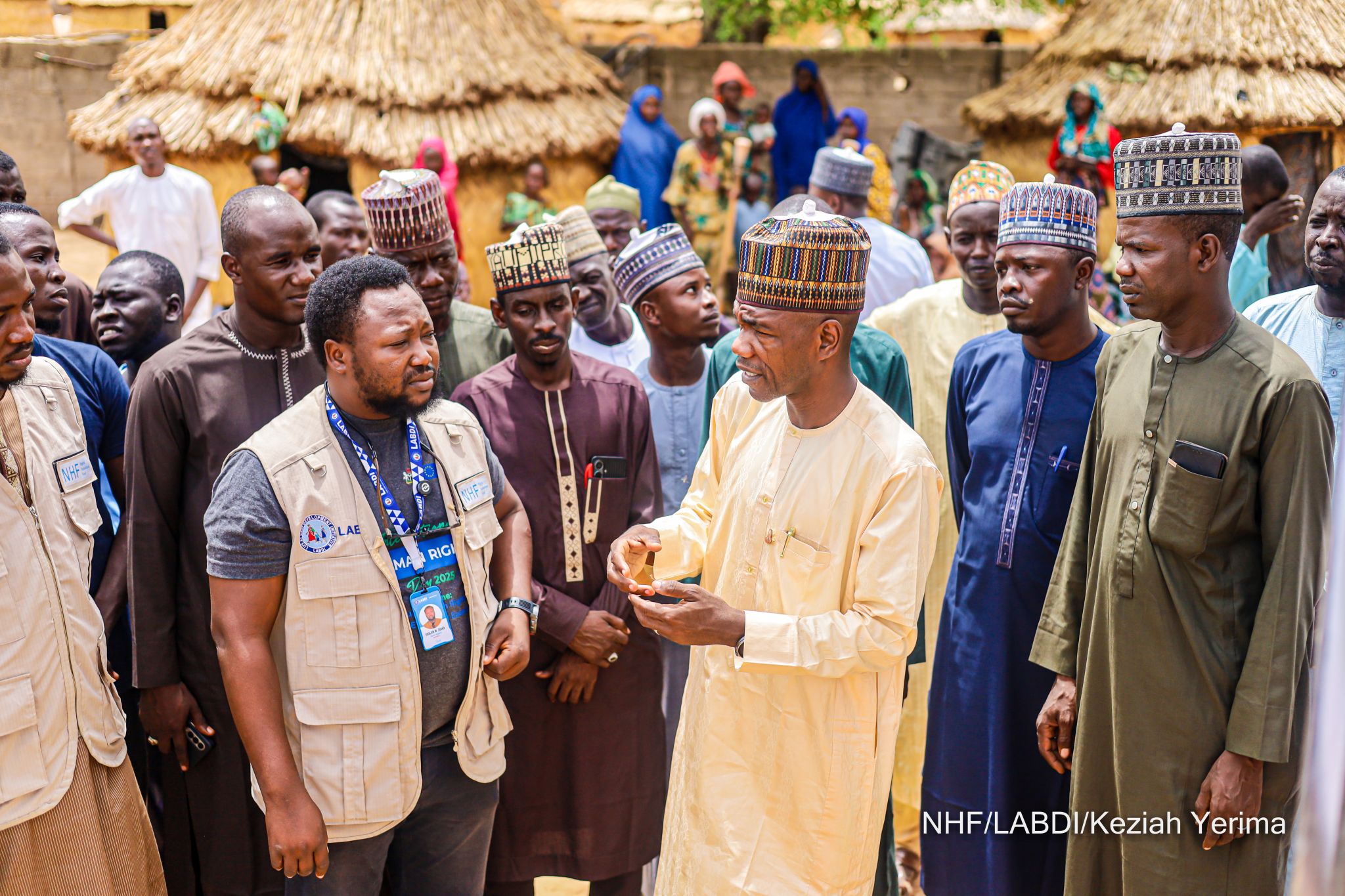
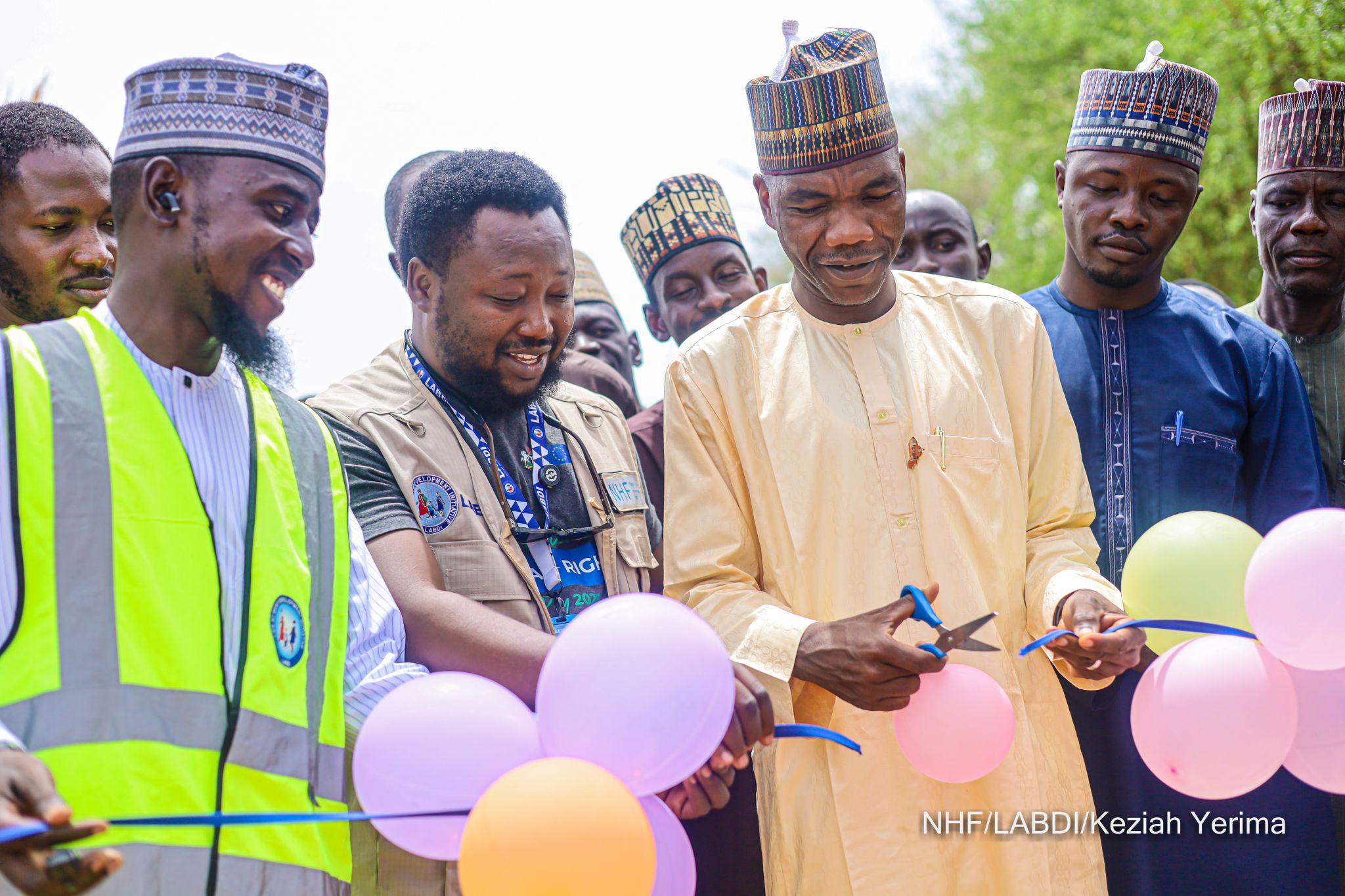
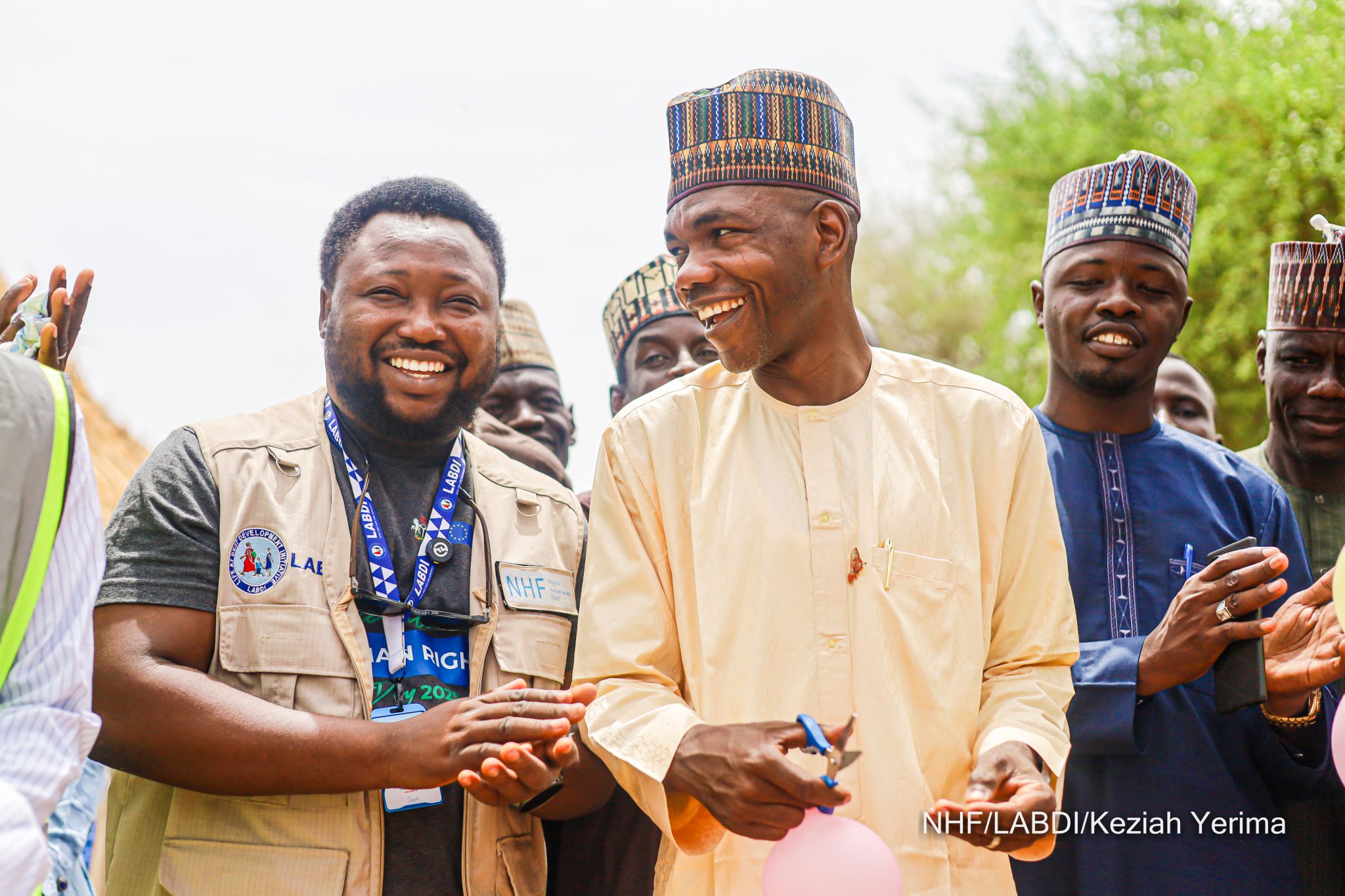
As part of efforts to strengthen local ownership, accountability, and sustainability, the completed facilities were recently commissioned by the Executive Chairman of Magumeri Local Government Area, Dr. Ali Yaumi. The commissioning ceremony brought together government officials, community leaders, and residents, reaffirming a shared commitment to preserving and maintaining these critical community assets.
The event underscored the importance of collaborative action in addressing humanitarian and development challenges and highlighted the role of partnerships in improving the lives of vulnerable populations.
For the people of Islamiya and Kasungula, the intervention represents more than just infrastructure. It is an investment in health, dignity, resilience, and opportunity. By ensuring access to clean water and improved sanitation, communities are better equipped to thrive, protect their well-being, and build a healthier future for generations to come.
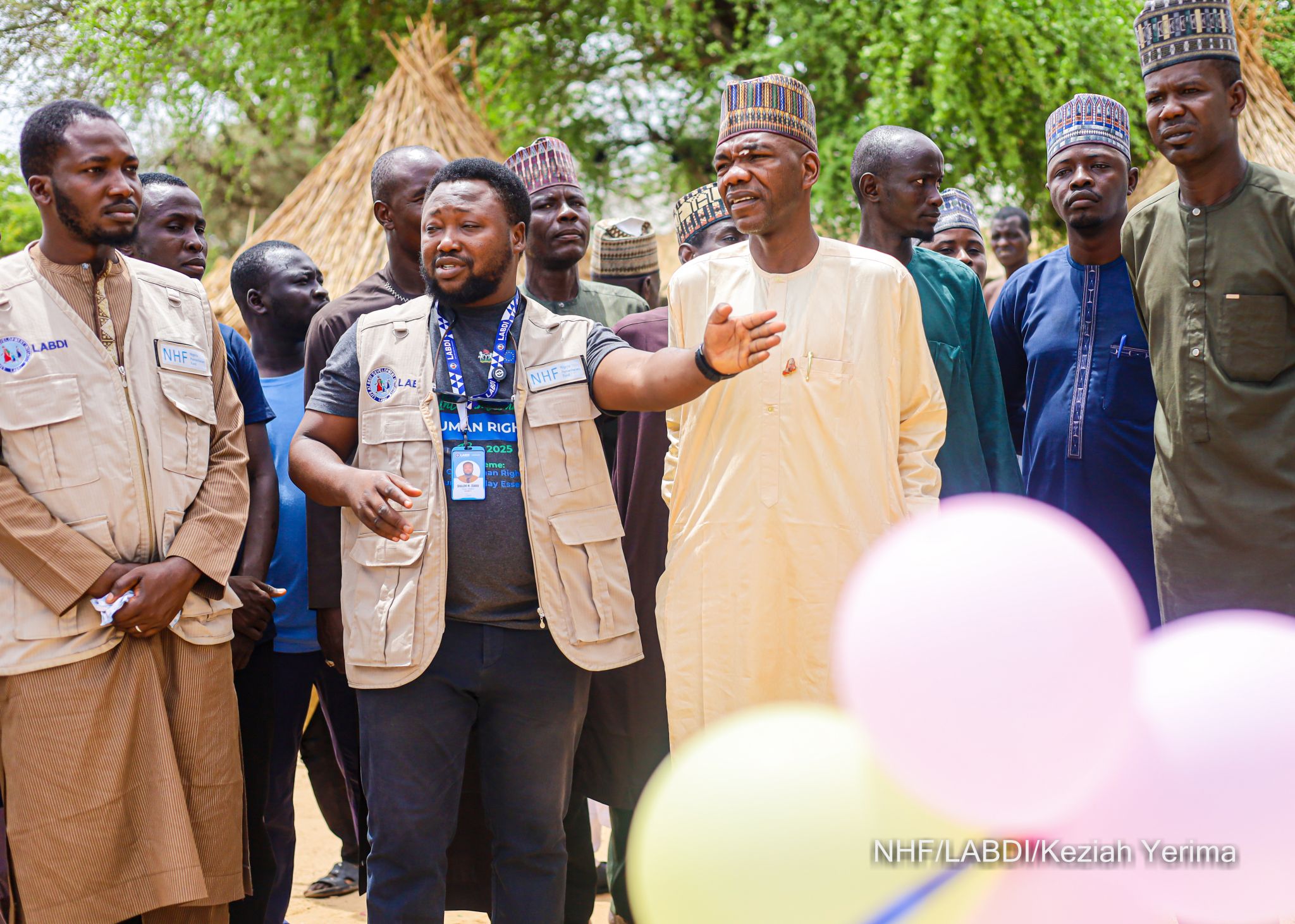
This life-changing intervention was made possible through the generous support of the Nigeria Humanitarian Fund (NHF), whose commitment to strengthening vulnerable communities continues to create lasting impact across Northeast Nigeria.