
 Life At Best Development Initiative (LABDI)
With acute malnutrition continuing to affect children and families across northeastern Nigeria, strengthening prevention alongside treatment is more important than ever.
While treatment remains essential for children already experiencing acute malnutrition, prevention offers an opportunity to act earlier—before children become severely malnourished and require lifesaving care. This is why building the capacity of nutrition actors to deliver evidence-based preventive interventions is critical to improving nutrition outcomes across the region.
Strengthening the Prevention Response Through SQ-LNS
To support this effort, nutrition partners across northeastern Nigeria recently came together for a capacity-building session on Small-Quantity Lipid-Based Nutrient Supplements (SQ-LNS).
SQ-LNS is a preventive nutrition intervention designed to provide young children with essential nutrients during critical stages of growth and development. When appropriately implemented alongside other nutrition interventions, SQ-LNS can help address nutrient gaps and reduce the risk of malnutrition.
The broader goal is to strengthen prevention efforts and contribute to reducing Global Acute Malnutrition (GAM) rates across the Northeast.
For communities already facing multiple vulnerabilities—including food insecurity, displacement, limited access to essential services and recurring public health challenges—strengthening preventive nutrition interventions can make an important difference.
Building the Capacity of Nutrition Partners
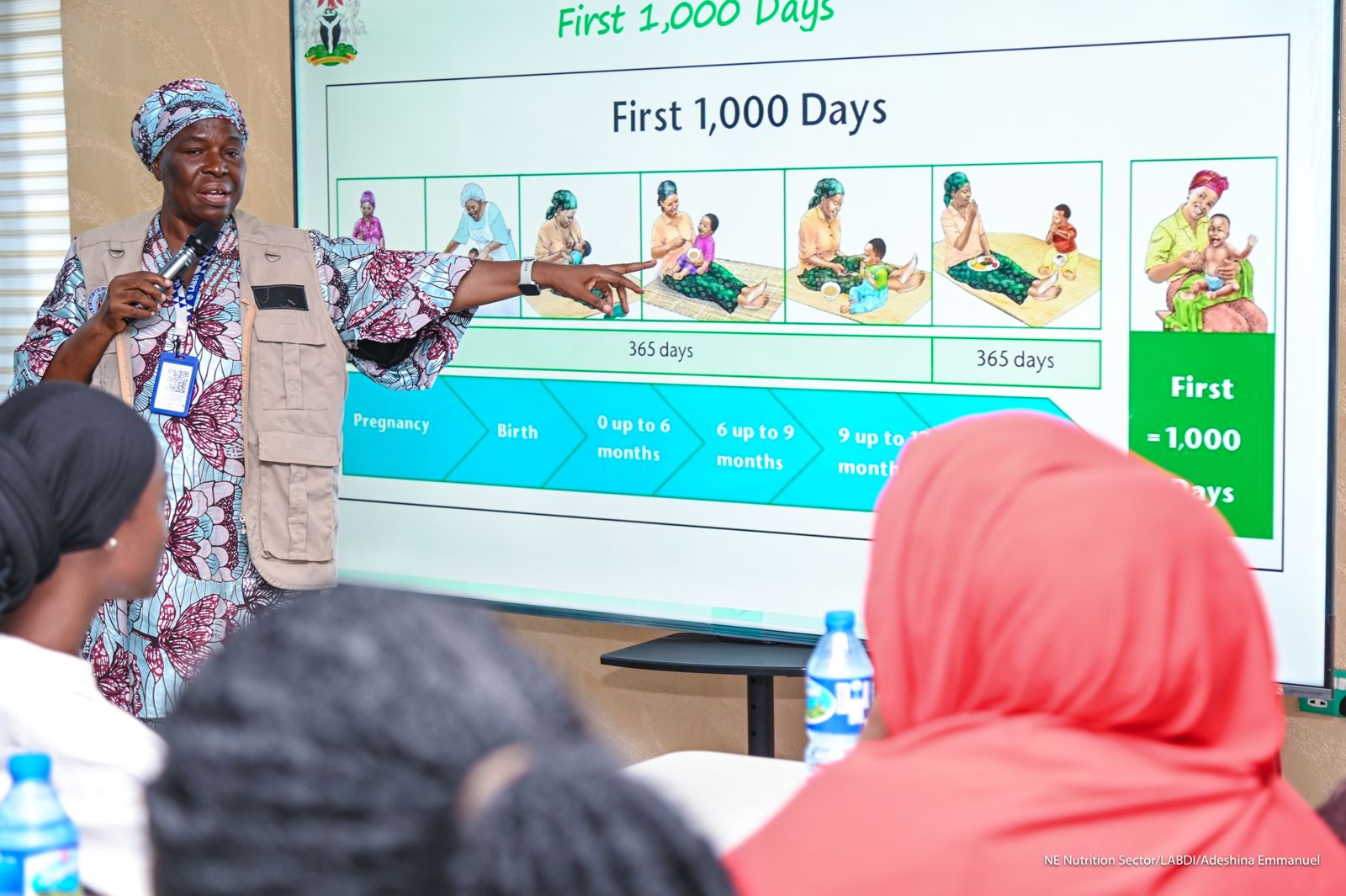
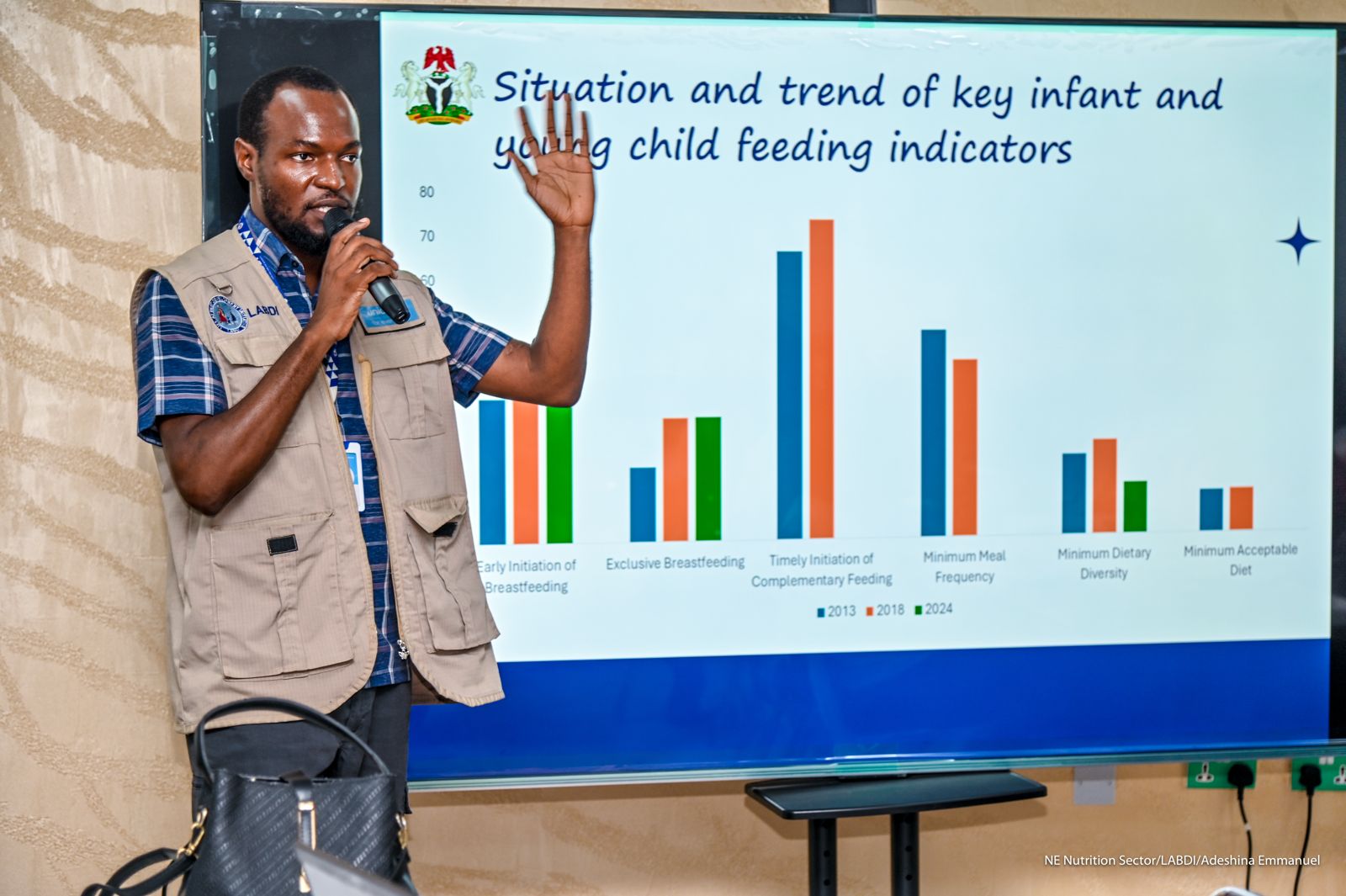
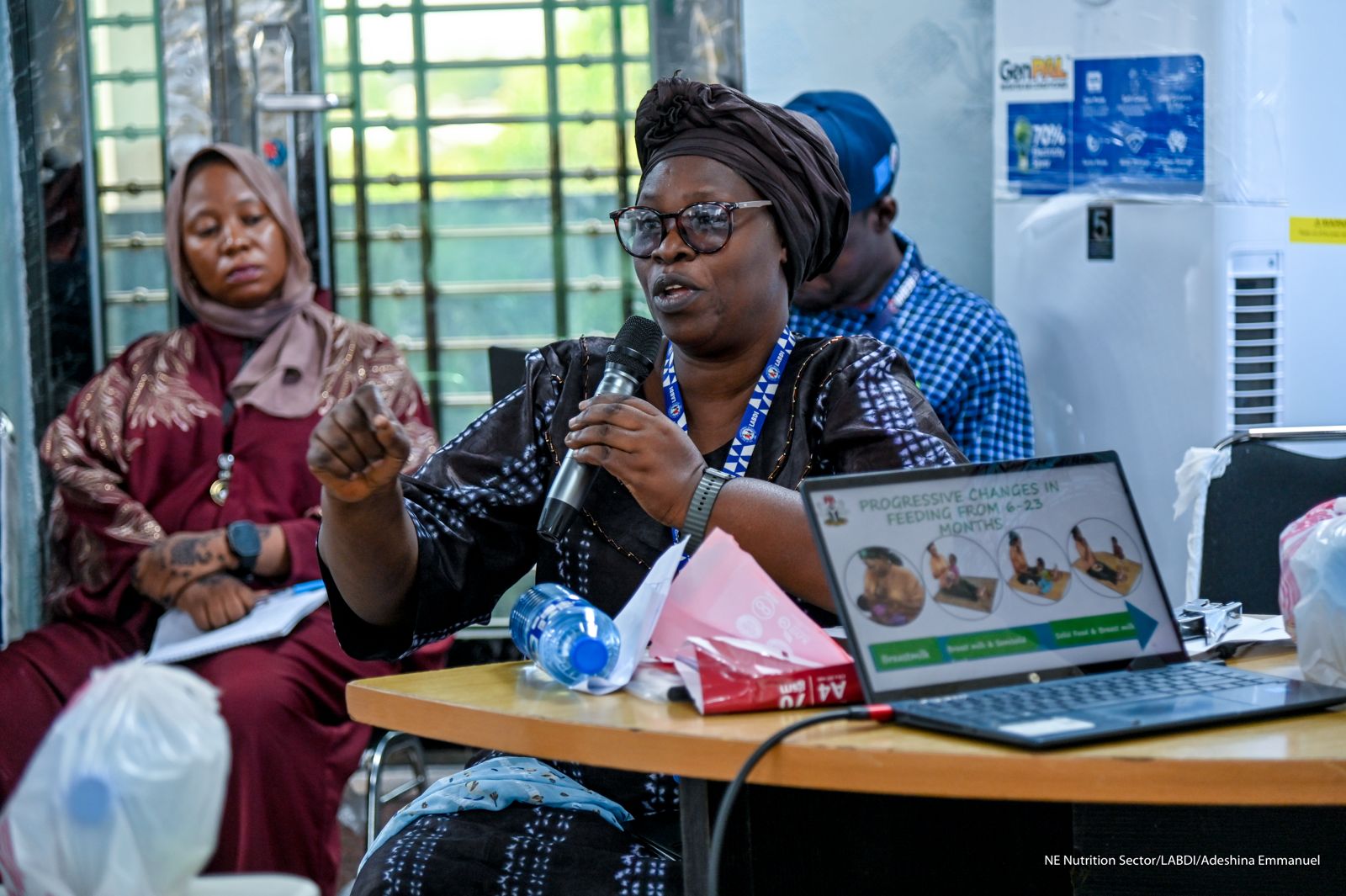
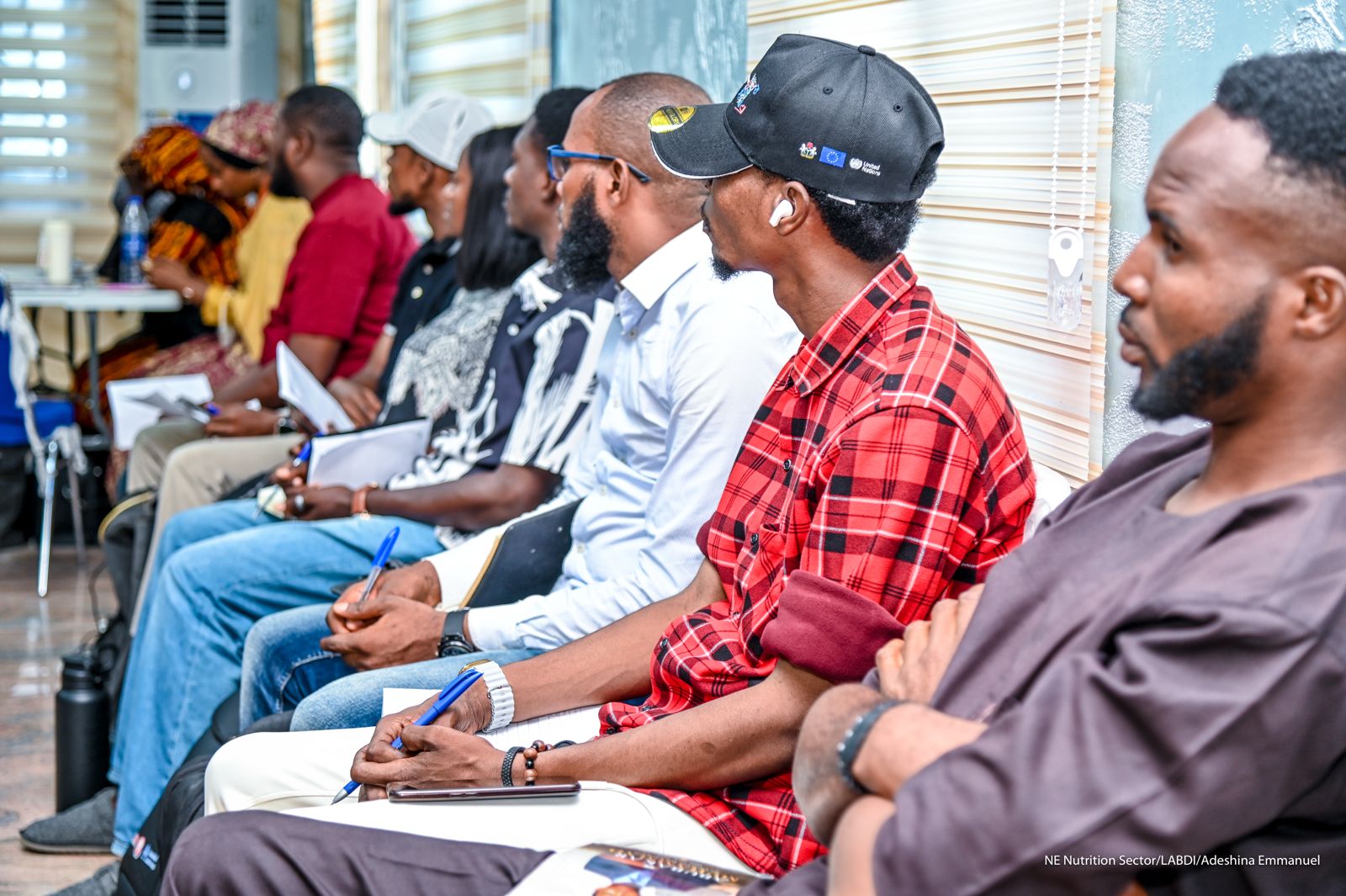
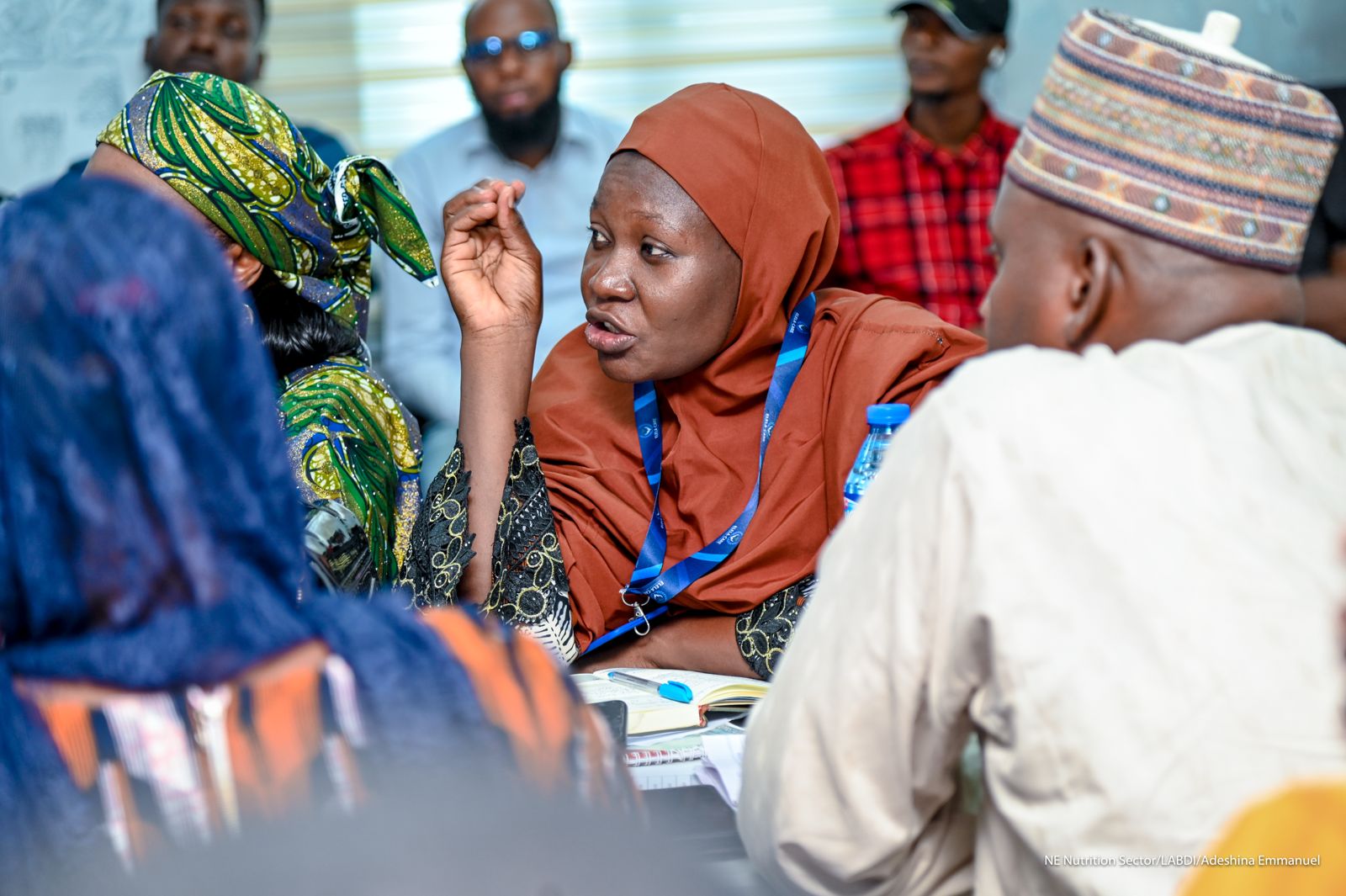
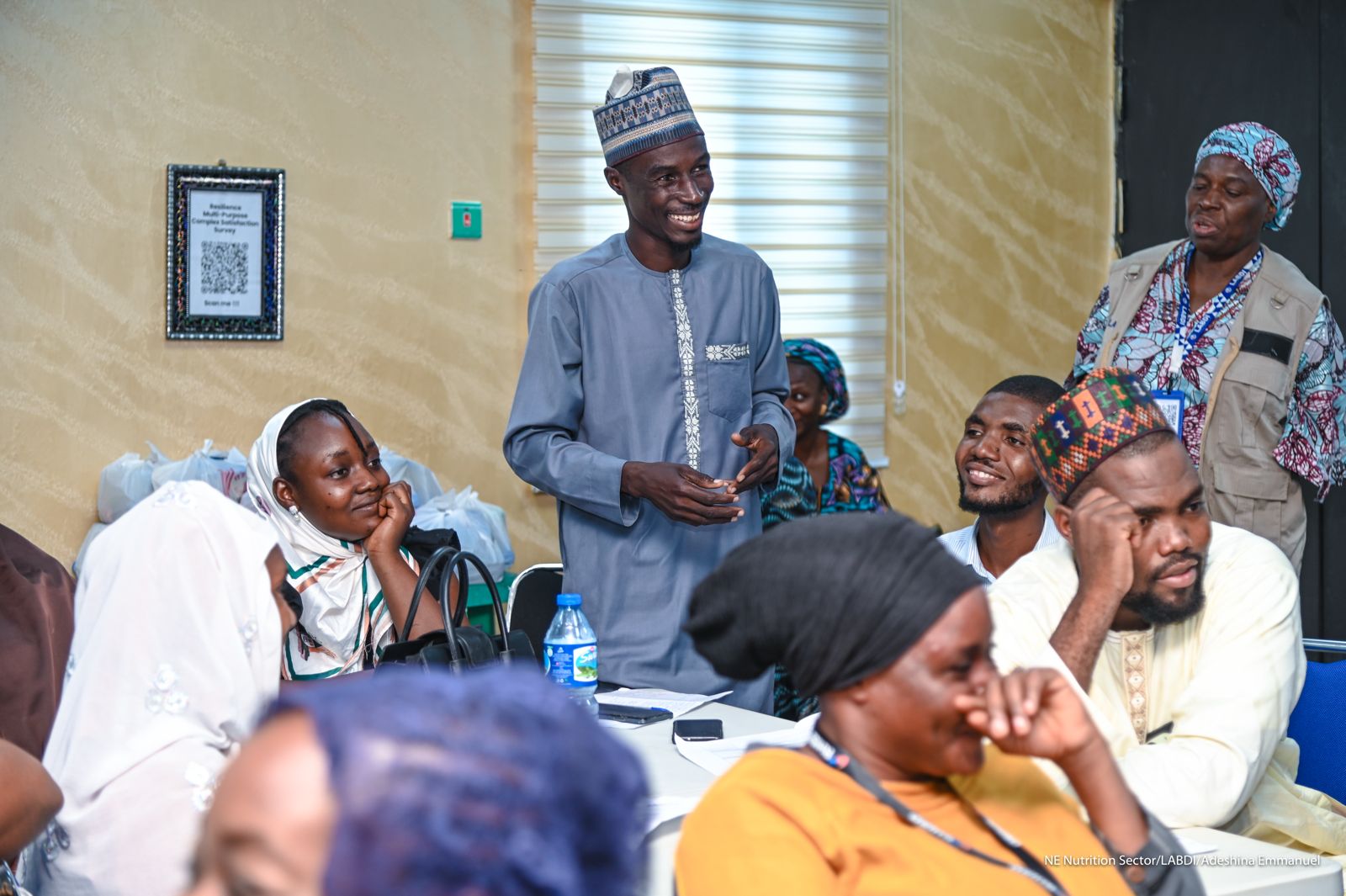
The training brought together representatives from international and local organisations working within the nutrition sector.
Beyond introducing participants to the technical aspects of SQ-LNS, the session provided an opportunity for nutrition actors to strengthen their understanding of how preventive nutrition interventions can be integrated into existing programming.
Participants also gained the knowledge and skills required to cascade the training to their respective organisations, staff and field teams.
This cascading approach is particularly important in humanitarian settings, where programmes often operate across multiple locations and require a strong network of trained personnel and community-level actors.
By equipping more nutrition professionals with the right knowledge and technical capacity, the training can help extend the reach of SQ-LNS and strengthen the quality of its implementation.

From Training Rooms to Communities
Capacity building is not an end in itself. Its real value is measured by what happens after the training.
The knowledge gained during the session can support organisations and field teams to better understand preventive nutrition programming, strengthen implementation practices and ultimately contribute to better nutrition outcomes for children and families.
For northeastern Nigeria, where humanitarian and development challenges continue to place pressure on household food security and access to essential services, strengthening local technical capacity is particularly important.
A stronger network of trained nutrition actors means more organisations are better positioned to contribute to prevention, identify gaps and support communities with interventions that can help children thrive.

Strengthening Local Collaboration
The training was organised by Life At Best Development Initiative (LABDI), in collaboration with Catai CENTER and Future Resilience and Development Foundation, alongside the Northeastern Nigeria Nutrition Sector.
The collaboration reflects the importance of bringing international and local organisations together to share knowledge, strengthen technical capacity and collectively improve the nutrition response.
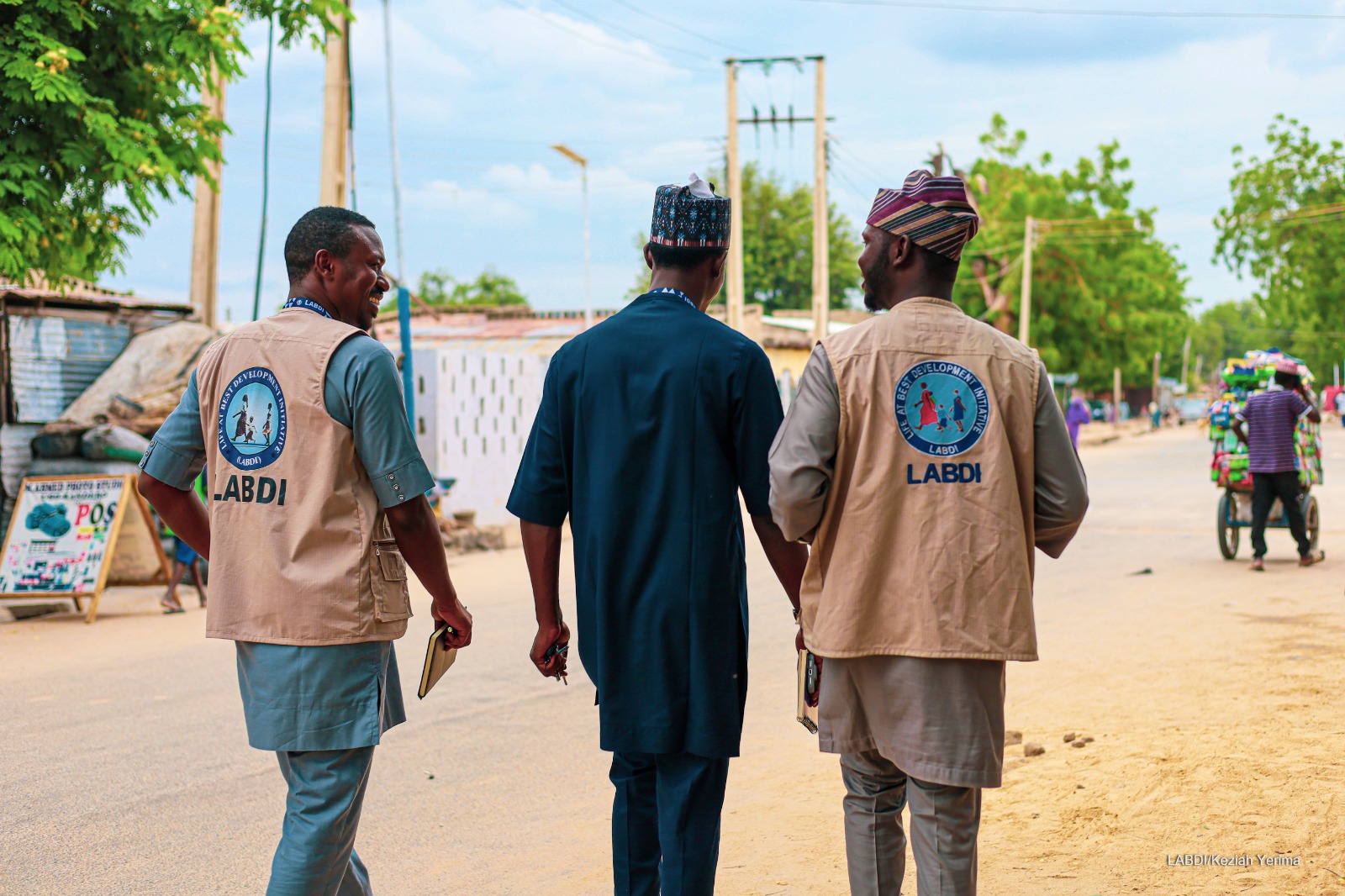
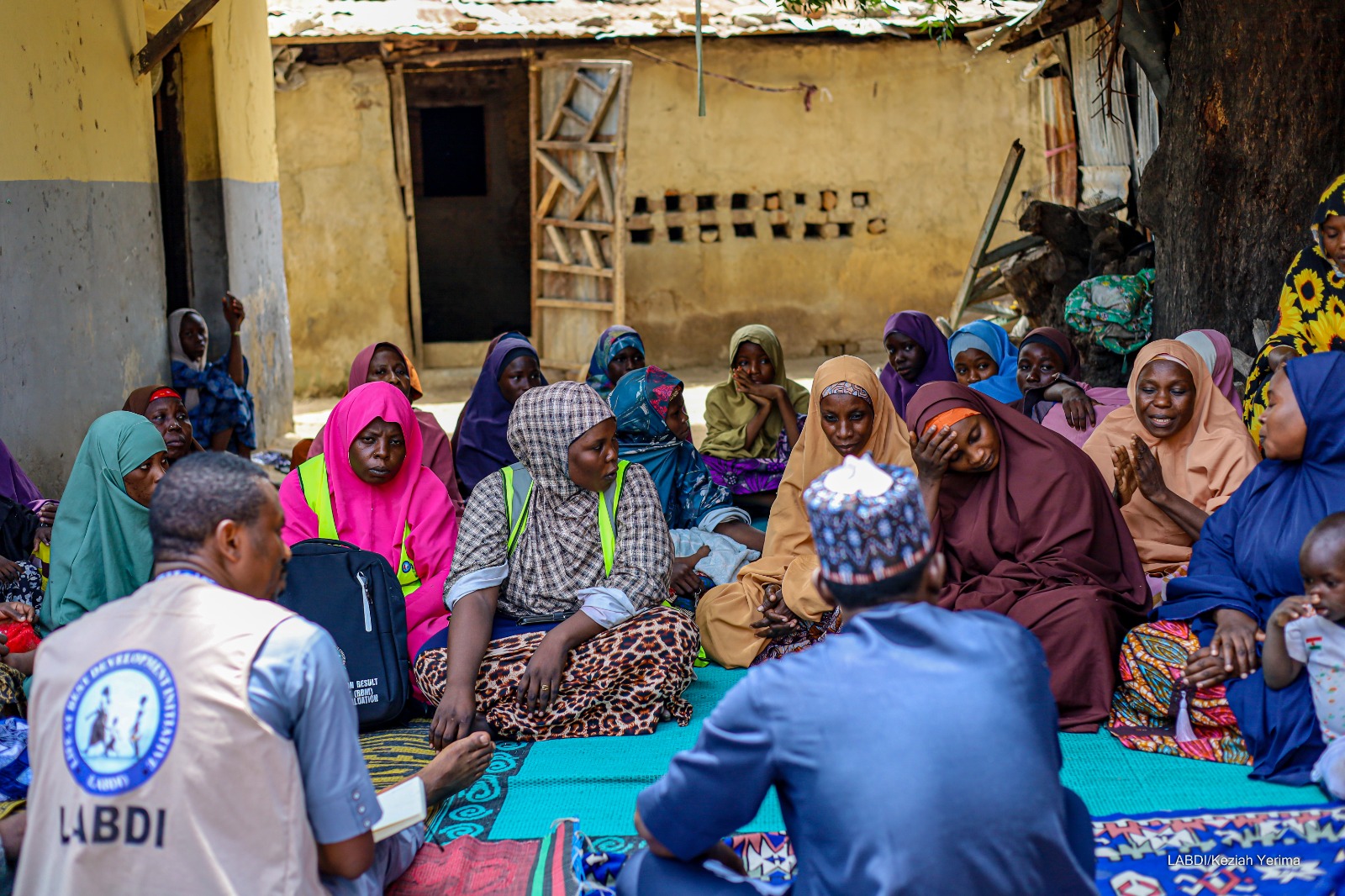
Local organisations, in particular, play an important role in translating technical knowledge into action within communities. Their proximity to affected populations, understanding of local contexts and field presence can help ensure that interventions are responsive to the realities families face.
Prevention Must Be Part of the Solution
Reducing acute malnutrition requires more than treating children after they become malnourished. It requires a stronger focus on prevention, early action, community engagement and sustained investment in nutrition systems.
Interventions such as SQ-LNS can form part of this broader prevention approach when delivered appropriately and alongside other essential nutrition and health services.
Every child protected from malnutrition represents an opportunity to improve growth, development and wellbeing—and to reduce the burden on families and already stretched health and nutrition systems.
The path to reducing malnutrition is a collective one. It requires government institutions, humanitarian and development organisations, donors, technical partners, frontline workers and communities to work together.


Looking Ahead
The capacity-building session is one step in a broader effort to strengthen preventive nutrition programming across northeastern Nigeria.
As trained participants cascade their knowledge to colleagues and field teams, the potential reach of the intervention grows. More importantly, the collaboration creates an opportunity for nutrition actors to continue learning from one another and strengthening the quality of their response.
Building stronger local capacity today is a step towards preventing malnutrition tomorrow.
And when prevention is strengthened, children, families and communities are better positioned not only to survive, but to thrive.